Cameroonian bishop asks Europe to help slow migration by creating jobs in Africa
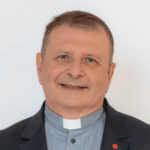
[Königstein, 11.10.2023] – As the crisis of African migration to Europe deepens, those who are on the front line are issuing an urgent call to action. During a visit to the headquarters of Aid to the Church in Need (ACN), Bishop Bruno Ateba of the Diocese of Maroua-Mokolo, in the far north of Cameroon, shares his vision of the challenges that young Africans face as they try to escape the misery in which much of their continent is steeped.
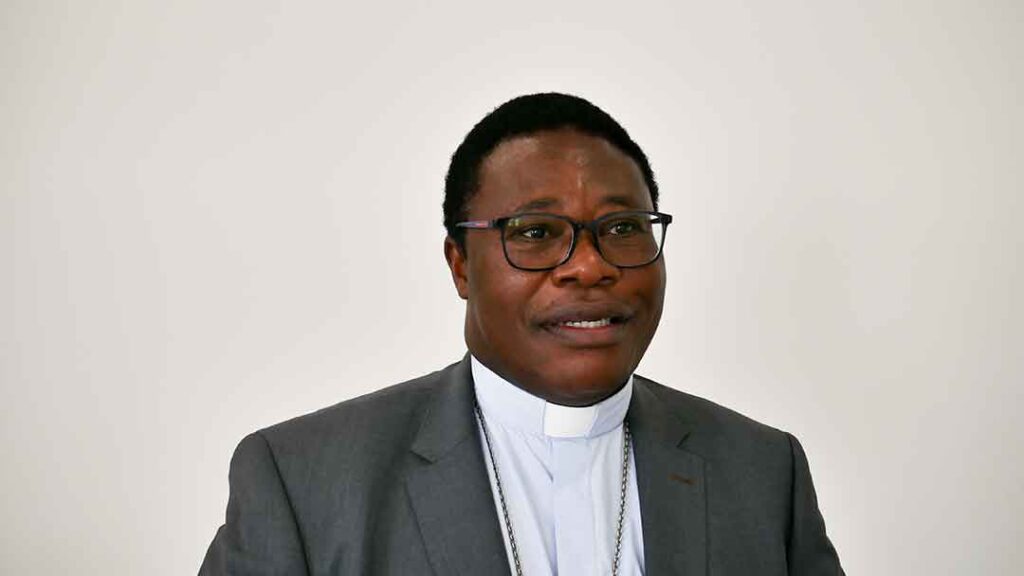
Historically, his country has been a migratory passage for many young Africans who crossed Chad to reach Libya, drawn by that country’s economic opportunities. “However, since Khaddafi fell, the ‘African El Dorado’ ceased to be a reality, the country collapsed, and now sights are set on Europe, which has led to a massive flow of migrants towards that continent”, the bishop explains.
“These people fear nothing, because they have nothing to lose, and they are also under a lot of social pressure, so even though they have to cross the Sahara Desert first, and then the ocean, they don’t hesitate. Many of them die”, says Bishop Ateba.
The importance of creating jobs in Africa
Bishop Ateba stresses that “if people were to have access to jobs and economic opportunities in their countries of origin, they would not feel the urge to emigrate. There is a clear connection between the reality of displaced people, emigration, and the lack of a stable future”. One clear example is Cameroon itself. “After 50 years of independence, there is still no industry, nor any economic model. Many feel obliged to leave due to lack of opportunities. If we want to change this, we have to find a sustainable solution to stop the exodus of our young people”, he states.

This is a basic problem that the international community has to be more proactive in trying to solve. “If Europe cooperated with job creation in our countries, we would not have the problem we are currently facing at a global level”, he states.
The bishop also stresses the demographic issue, with Africa having a young and growing population. “We mustn’t forget that Africa has a very young population, and there are many of them. Young people represent tremendous potential for our continent, but only if we can give them the tools and opportunities required to prosper.”
Pastoral of closeness with refugees
During his visit to ACN headquarters, following an ad limina visit to Rome, Bishop Ateba tells ACN that he spoke to Pope Francis about the pastoral priorities and the commitment to pastoral care for widows, orphans and refugees who seek shelter in his diocese due to the conflict with Boko Haram terrorists. “I told him that we are greatly concerned with a pastoral work of closeness, such as he has encouraged, aimed at listening, welcoming, aiding and accompanying all those whose lives have been turned upside down by violence and instability”.
Despite the extraordinary difficulties his diocese already faces because of the conflict, Bishop Ateba is making great efforts to include opportunities for professional training and job creation in his pastoral work, helping young internally displaced people become active.

One example, he explains, is “an ACN-funded activity centre for young people at the refugee camp of Minawao, in the parish of Zamay, which has 80,000 refugees from neighbouring Nigeria who fled Boko Haram”. Thanks to this project, these people receive pastoral attention at the same time as they acquire skills such as repairing shoes or computers, or sewing, which allows them to find work to make a living. The Church’s commitment to these people is a beacon of hope in the midst of great adversity.
The bishop insists, however, that the international community must come together to support these important development initiatives. “The Church and organisations such as ACN continue to play a crucial role in supporting and helping those who are directly affected by the security and migratory crisis, but the cooperation of governments and the international community is essential to face these challenges and find long-term solutions”, says Bishop Ateba.

Recommended