Trapped between terrorism and hunger in northern Mozambique
Sister Ermelinda Singua is the superior of the first women’s congregation to have been founded in Mozambique. She and the other sisters continue to spread the Gospel despite the risks posed by terrorists and even lions.
Northern Mozambique has been plagued by terrorism since the beginning of an Islamist insurgency in 2017. The violence is mostly confined to the province of Cabo Delgado, in the far northeast of the country, but neighbouring provinces have had to deal with the influx of up to one million internally displaced people.
Sister Ermelinda Singua is in close contact with this reality and often visits the displaced in the Diocese of Lichinga, which covers the province of Niassa, bordering Cabo Delgado. The Sisters of the Immaculate Conception try and help them as much as possible.
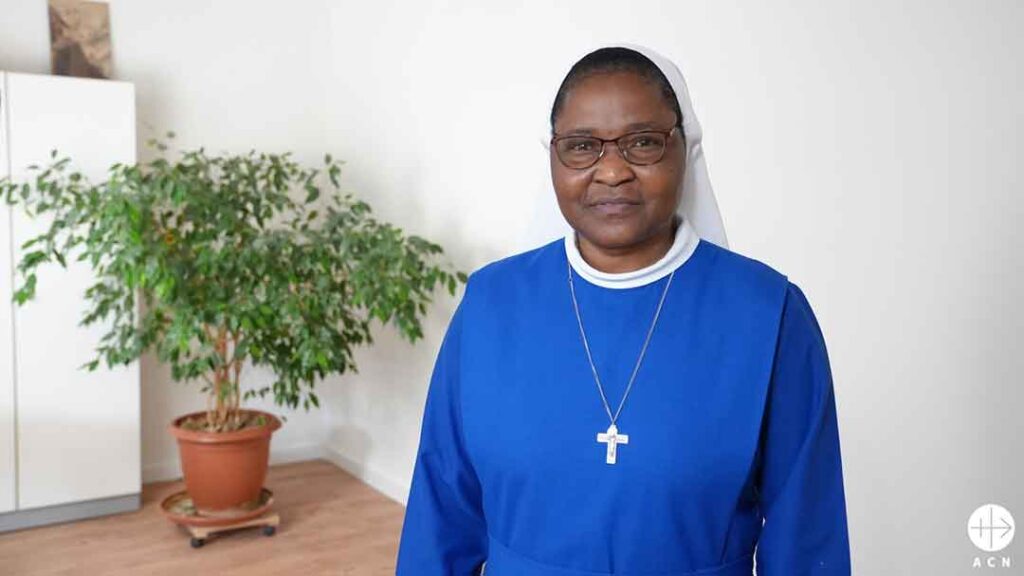
“You can see the sadness in their faces. They are away from their natural surroundings, they have lost everything, including family members. There are more women than men, because the men were either killed or taken by the terrorists”, she explains, in a conversation with Aid to the Church in Need (ACN). The situation is so desperate that some families are marrying off daughters as young as 10 in the hope that their husbands will be able to provide a bit of relief from the poverty they have to endure, Sister Ermelinda adds. “They are trying to escape misery, but they end up entering into a different kind of misery”.
The Sisters of the Immaculate Conception are the first native-born women’s congregation in Mozambique. Founded in 1948 to assist in the evangelisation of the more remote areas of the country, they fell on hard times after the independence of Mozambique, due to persecution by the Marxist government, but have since re-flourished and now have 48 sisters, 7 novices and 12 postulants.
Times have changed, and now rather than Marxist ideologues, the sisters fear armed gangs and terrorists. “Whenever I have to travel through isolated roads, or through the bush, I ask for God’s protection. Everybody is scared, that’s the truth of it. People are risking their lives for love of the Gospel”, Sister Ermelinda says, giving the example of the sisters who live in the camps caring for the IDPs. “They never abandoned the people. Ever since the terrorist attacks began, they never left. It is heroic, they are with the people through good and bad, and that is a witness which gives us all hope, especially in this year of the Jubilee of Hope.”
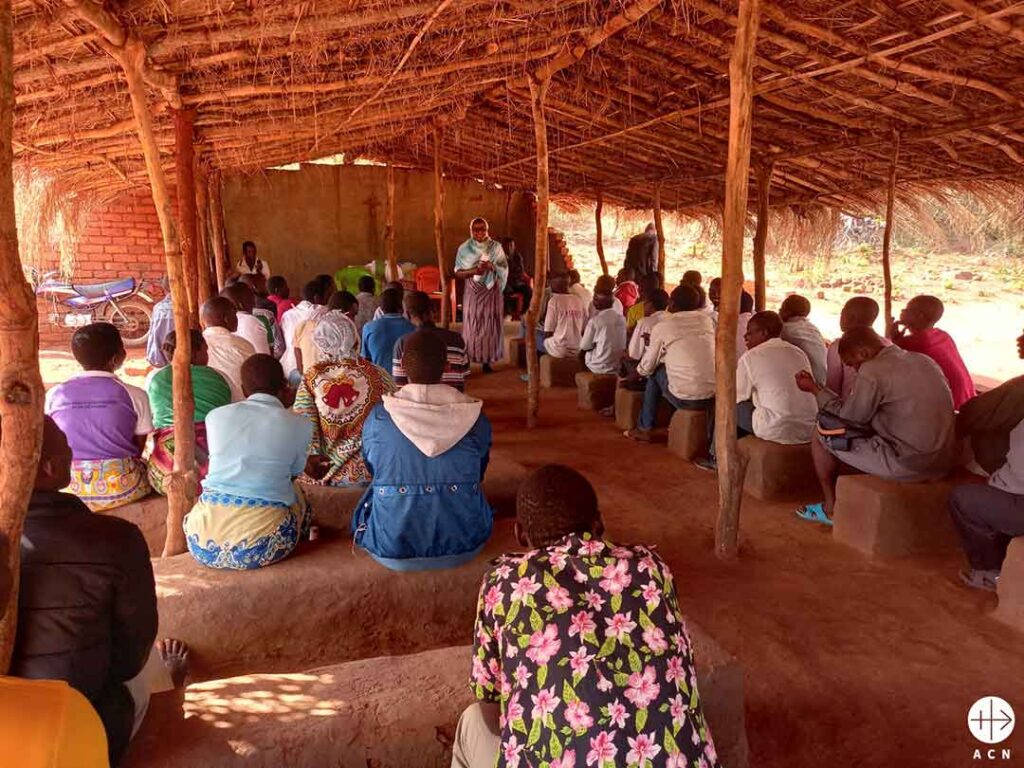
Unfortunately, terrorists and conflict are not the only threat that the people of northern Mozambique have to deal with. The threat of hunger is always present in a region dependent on subsistence farming. “Sometimes people go one or two weeks with no food. This year the people had to collect wild grass seeds, which are similar to wheat. They grind it and use it as flour. This is the height of poverty”, she explains.
“The worst of the hunger is in October and November, during the dry season, when there is no rain. When that happens, if you don’t have money, you don’t have food.”
Besides the work they do with evangelisation, the Sisters of the Immaculate Conception help care for dozens of young orphans, widows and vulnerable girls in their missions in Niassa and elsewhere. The Mozambican sisters are also active in providing education and health to the population, as well as forming catechists and helping with the liturgical celebrations, especially in the absence of priests.
As if hunger and terrorism are not enough, Sister Ermelinda recalls an episode where she and another sister had to transport a baby to the nearest medical clinic. The other sister was driving the motorcycle, and she was sitting behind her, with the baby in her arms, when a rabbit ran across the road. To their shock, right behind the rabbit came a lion.
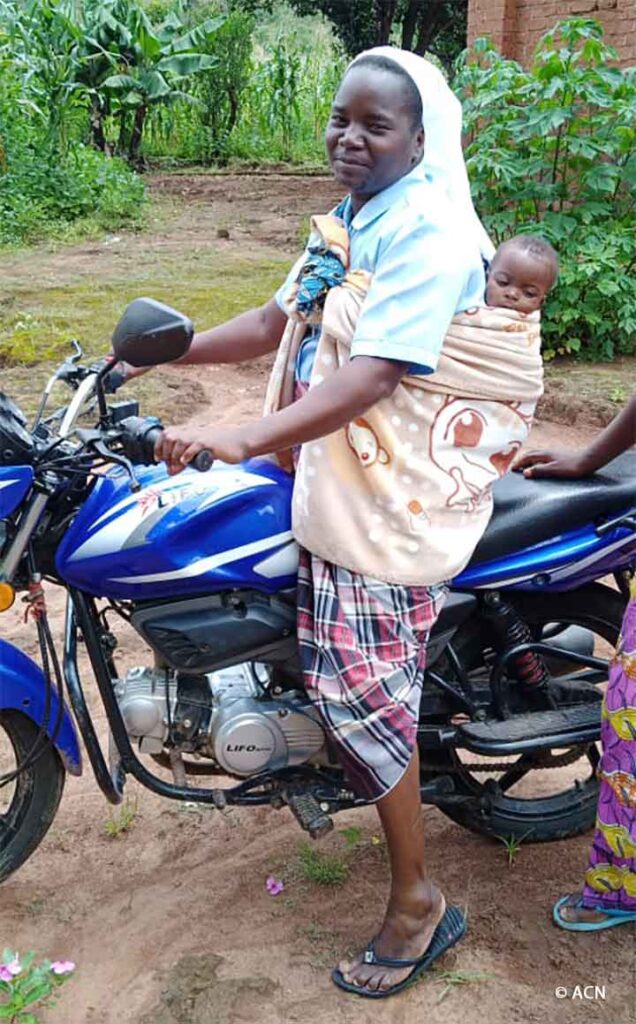
“The lion thought we had taken the rabbit with us, and so it started chasing. I told the other sister to put her foot on the gas, and she accelerated. I thought that was it, that the three of us were going to die that day, but after about 10 minutes the lion gave up the chase. The sister drove the motorcycle expertly! But it was God who looked out for us, it was He who spared us from the lion that day.”
Over the past years, ACN has funded more than half a dozen projects with the Sisters of the Immaculate Conception, including spiritual formation, refurbishment of some of the congregation’s houses, and even the purchase of a car, helping them to make life easier for those they care for in these difficult times.

Recommended