Many Christians have fled Sudan, those who remain face difficulties, says missionary
Many of the Christians who lived in Sudan have fled the country or at least escaped the cities that are engulfed in violence, says a Spanish Comboni missionary who has worked for years in Sudan, in an interview with the pontifical charity Aid to the Church in Need, (ACN).
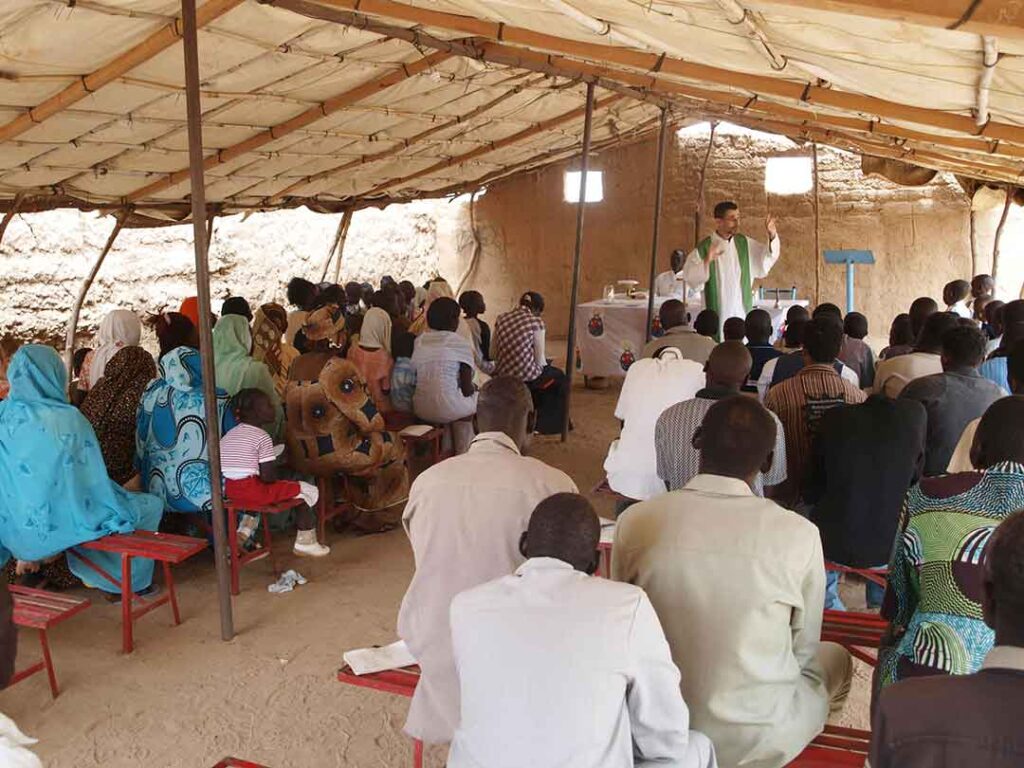
Fr Jorge Carlos Naranjo was on his biennial holiday in his native Spain when the civil war broke out, with the Rapid Support Forces (RSF), loyal to the vice-president, attacking key structures of the Government and facing off against the regular army, which answers to the president. Most of the capital and other important cities immediately turned into war zones.
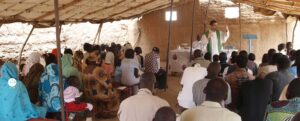
Faced with this situation, most Catholic missionaries chose to stay, to support their faithful. Many of the lay Christians, however, have since fled to safer regions, including the South-Sudanese, who form the majority of the Catholic population in Sudan, and have returned to South Sudan in large numbers, he told the international Catholic charity.
“Most local Sudanese Christians are from the Nuba mountains. Some of them went back to the mountains and some remained in El-Obeid. Some who were in Khartoum remain. We also have a big Nuba community in Port Sudan, which is peaceful”, said Fr Naranjo.
The missionary explained that there is also a large community of Coptic Orthodox Christians. Although they trace their roots to Egypt, these communities have been present in Sudan for centuries and their members are full Sudanese citizens. “Some churches have been attacked by Rapid Support Forces, including the Coptic cathedral of Khartoum, which was occupied and turned into a command centre. The Coptic cathedral of Omdurman was also attacked and looted. They took several cars and threatened the bishop and one of the priests, trying to force them to convert to Islam. Many Coptic workers were also told to convert, but they all refused. Even though they have been in Sudan for 100 or 200 years, the Copts generally marry amongst themselves, and so their skin is lighter than that of most Sudanese and the RSF soldiers insulted them, telling them that they were not real Sudanese because of that.”
“The Episcopal Cathedral of All Saints in Khartoum was also attacked by RSF soldiers, and the bishop was sent away, and some of our churches were also looted”, the missionary said, adding that “there are many Ethiopian and Eritrean refugees. Some of them moved to cities closer to the borders of their respective countries, where there is also a lot of pressure now because of the significant number of refugees, and where there are many needs. Some Ethiopians returned to Ethiopia, but for others it is difficult. For the Eritreans it is even harder, as they cannot return to Eritrea, and Egypt has closed its borders to them.”
Lack of goods and searing heat
All those who remain in the conflict areas, Christian or not, face tremendous difficulties, said Fr Naranjo, including shortages of food, drinking water and electricity, which in the summer heat of Sudan makes life extremely difficult. In many cases, civilian houses have been occupied by the RSF soldiers, and many civilians have been killed in the clashes.
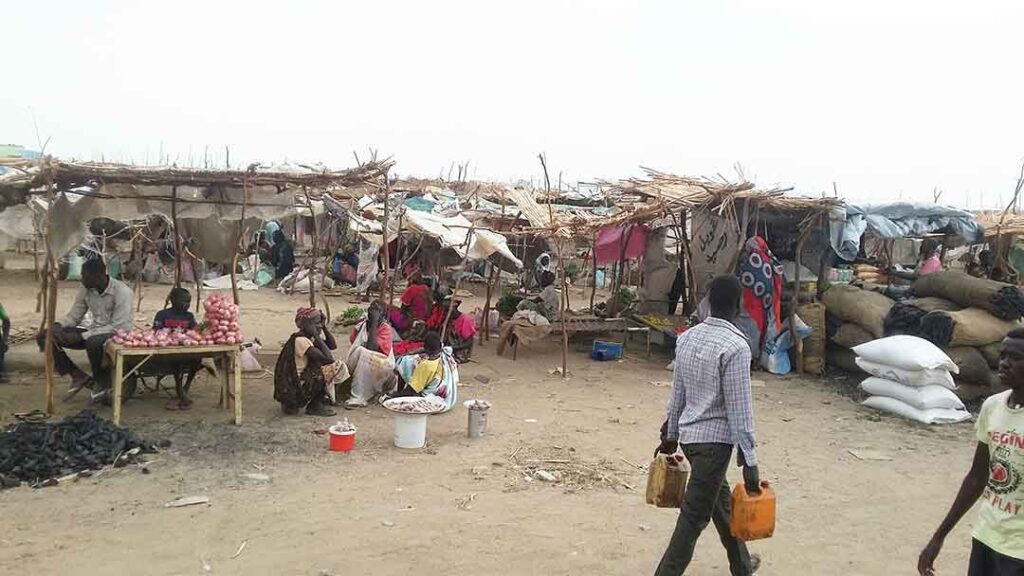
International organisations are finding it very difficult to gain access to needy populations, but some groups on the ground are helping. “Those who are now on the ground trying to do their best are the ‘Resistance Committees’. They are organised by neighbourhood, and were the main agents of the revolution, which also makes them targets, but they are the ones closest to the people.”
The conflict has also made it more difficult for ACN to keep in touch with its project partners in Sudan, but the pontifical charity continues to make every effort to support Christian communities in the country, and to raise awareness about the situation, so that it does not become yet another forgotten war in Africa.

Recommended