Bosnia – Cardinal Puljic speaks about the creeping threat to the existence of Catholics in the country
[vc_row][vc_column][vc_column_text]Christmas is „a time of pardon, a time for the healing of wounds“, he tells ACN
The Balkan state of Bosnia and Herzegovina has long since disappeared from the headlines. Officially, the war there ended with the signing of the Dayton Accords in 1995. But the wounds of the war are still very much in evidence and continue to have an effect on the lives of people there to this day, more than 20 years after the war ended. During the war, out of a former Catholic population of well over half a million, at least half were driven out of the country, according to the website of the archdiocese of Vrhbosna, which is based in Sarajevo.
Cardinal Vinko Puljic, the current Archbishop of the diocese, has again drawn attention to the alarming situation facing the Catholics in his country. Most of these Catholics are Croats, and before the war they accounted for some 17% of the population.
It is currently estimated that up to 10,000 Catholics are now emigrating from the country each year, the Cardinal was recently quoted as saying in the Catholic News agency of the bishops‘ conference of Bosnia and Herzegovina. In the interview below with the international Catholic pastoral charity Aid to the Church in Need (ACN) he gives an overview of the current situation of the Catholics in the country.
What is the current situation of the Catholics in Bosnia and Herzegovina?
Cardinal Puljić: During the war and in the immediate aftermath of the war most of the Catholics were expelled from their homes and there was a great deal of destruction and looting. After the war there was neither political nor financial support provided for an ongoing return of the refugees and expelled. The Dayton Accords were not implemented in practice, and those who suffered most were the Catholic Croat minority. It is harder for them to defend their basic rights.
The resulting insecurity is evident today among the people, and some people are leaving the country for this reason. They are concerned for the future of their children. The situation has been exacerbated by various negative reports in the media, which have been exploited in order to poison the atmosphere.
What is it that is alarming them the most?
There are no equal rights for them in those areas where the Catholic minority finds itself in the midst of a majority of the other ethnic groups. This discrimination is expressed in political and administrative terms and above all where employment is concerned. Looking at the situation of the Catholic Church in Bosnia and Herzegovina, there is reason to be seriously concerned for the future. If there were no more Croats left there, then there would also be no more Catholics, since most of the Croats are Catholics. For this reason also it is important to create a situation of equal rights.
What positive signs can you see?
The Church in our country is endeavoring to continue to live and work as though everything is normal. In this way we are trying to convey a sense of self-confidence and hope for the future. This is being done through our pastoral and charitable work and also through our school system. We must be the „salt of the earth“ in this situation and stand up for human dignity and human rights.
How are the Christians contributing to overcoming the aftermath of the war and its consequences in Bosnia and Herzegovina?
It is a great grace to live from our faith. We draw hope and strength from communal and personal prayer. The Sunday Mass and our pilgrimages are an important source of strength, and this year we marked the centenary of the Fatima apparitions by consecrating every parish and the entire archdiocese to the Mother of God.
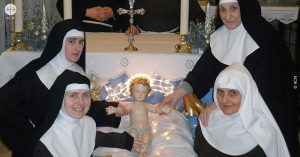
Jesus came to us in the reality of our human situation, and therefore we should experience Christmas in all its reality. In the birth of Jesus as a Child we are called to acknowledge God’s love and the true source of our joy. For we are all creatures loved by God. Just as God came close to us as Emmanuel , as „God with us“, so we too must draw closer to one another and closer to God.
It is a matter of healing wounds, by forgiving one another and entrusting ourselves with joy to the love of God.
[/vc_column_text][/vc_column][/vc_row]

Recommended