Ukraine: The pope has not forgotten the “suffering brother”
Auxiliary bishop reports on the Ukraine summit at the Vatican
Pope Francis invited the metropolitans and high-ranking clerics of the Ukrainian Greek-Catholic Church to a meeting held at the Vatican from 5 to 6 July. The objective was to reflect on “the delicate and complex situation in which Ukraine finds itself.” This meeting was unique in that it was the first to be held in this constellation and shows the pope’s concerns for the eastern European country. About 4.5 million Ukrainians belong to the Greek Catholic Church, many of whom live in other countries.
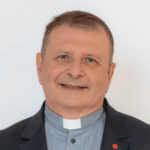
Tobias Lehner, ACN Germany, talked with Greek Catholic Auxiliary Bishop Bohdan Dzyurakh from Kiev about encouraging signs that emerged during the meeting with the pope, ongoing aggression in the country and new approaches to pastoral ministry.
ACN: Did the invitation to the meeting come as a surprise and what does it mean for you that the pope has made Ukraine a “top priority”?
Auxiliary Bishop Bohdan Dzyurakh: The invitation of Pope Francis reflects his stance on prioritising people in need. In his speech at the beginning of the meeting, the Holy Father called upon us to have an open heart and remain close to all who are oppressed and currently experiencing “a night of sadness”. The pope lives what he teaches. We in Ukraine have felt the proximity and support of the pope for years. However, this kind of meeting was something very new in the relationship of the Ukrainian Greek Catholic Church and the Holy See. And so in this respect: yes, it was a surprise.
What was discussed during the meeting? Are there concrete results?
At first we described the political and economic situation in Ukraine, particularly in view of the ongoing war in the eastern part of the country and the humanitarian crisis this has called forth. We expressed our gratitude for the initiative “Pope for Ukraine” [editor’s note: a special collection held in all European churches, which Pope Francis had called for in April 2016 and that resulted in donations of almost 16 million euros]. We also talked about new initiatives for those in need.

We devoted a great deal of time and attention to pastoral issues. In addition to evangelisation and catechesis, one topic was the pastoral ministry for Ukrainian emigrants in various countries. We also discussed the role of the Ukrainian Greek Catholic Church in the ecumenical dialogue. It was very important and invaluable to discuss our standpoint directly with the pope and his closest staff and to share our joys, hopes and concerns with them.
The war has been raging in eastern Ukraine for five years, Crimea was annexed by Russia and the establishment of an independent Orthodox Church in Ukraine led to serious conflicts with the Russian Orthodox Church: what can the Greek Catholic Church do to reunite this fragmented country?
In spite of all the difficulties that our people and the Churches in Ukraine are currently experiencing, we want to continue to be messengers of hope, truth and love. The pope has called upon us to do so. A lot of tension has arisen through the war, which is not being waged with military weapons alone. In order to overcome these difficulties, our country needs consolidation, inner strength and spiritual powers of discernment. This is what we want to strengthen. Our prayers and our vigilance are key elements of our service for the Ukrainian people.

As far as domestic policy is concerned, Ukraine is open to anything. The new president Volodymyr Selenskyi recently caused a stir when he withdrew troops from Eastern Ukraine. How did the Ukrainian people react to this step? Is the hope for peace growing?
It is clear to all observers, both those in Ukraine and those in other countries, that the key to peace in Ukraine does not lie in Kiev, but in Moscow. Individual steps can bring short-term relief. However, it would be naïve to expect them to solve the conflict or bring enduring peace. This will require a lot more solidarity and unity within the international community.
The Iron Curtain fell 30 years ago, which also led to the end of the communist dictatorship in Ukraine. During this period, the Greek Catholic Church endured bloody persecution. Church life has flourished in many places since the political turnaround. When you consider the next 30 years: what are the greatest challenges facing the Greek Catholic Church – and what can Aid to the Church in Need (ACN) do to help?
Our most important tasks will revolve around concerns of strengthening the faith, proclaiming the faith among those who have not yet encountered Christ as well as youth and vocation ministry. In addition, it will be necessary to deal with the tragic aftermath of war and violence, which will hopefully come to an end one day with the help of God.
Even when we were faced with trials in the past, we never felt abandoned. ACN remains one of our most important partners and has stood by our side time and again, lovingly supporting us with prayers and financial aid. As a pontifical foundation, we are sure that Aid to the Church in Need will continue to be inspired by the words of the pope, who said to us during the meeting on 5 July: “The ‘suffering brother’ should not be forgotten.”

Recommended