In the diocese of Miao in India a priest has to be “all things to all men”
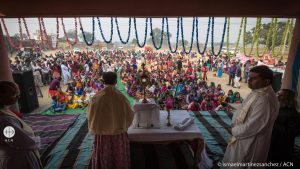
The diocese of Miao, in Northeast India, was established only in 2005. It lies in one of the remotest and most backward regions of the country. Yet, in the midst of all the poverty and destitution, the priests who are working here are witnessing a real flourishing of the Catholic faith among people who until recently had never even heard of the Gospel message.
In fact it was only around 40 years ago that the Catholic faith first reached this area. At that time all missionary work was still banned and many missionaries were imprisoned and suffered greatly for their faith. Among these men were Bishops Thomas Menamparablil and George Pallipparampil, who sowed the first seed of the faith in this region. Their sufferings, and the struggles they had to endure are now a source of inspiration for the missionaries working here today.
In many parts of the diocese the people had never even heard of the Gospel until the 1990s. Some areas are still cut off from the outside world during much of the six-month rainy season, as a result of landslides and mudslides; others are practically inaccessible during the harsh winter months. Much of the diocese is high in the Himalayas, on the frontier with Burma. As for the population, who belong to various different ethnic minority tribes, most live in extreme poverty, without electricity or other services that we tend to take for granted. While the rainy season often brings flooding, in winter the rivers dry out. Poor hygiene leads to various forms of infectious diseases and child mortality is high. One corner of the family hut is often used as a latrine, and pigs and dogs often live together with the family in a single room. The children sleep, play and eat in close proximity to the animals. In most cases the hospitals are far away in the towns and hence virtually inaccessible.
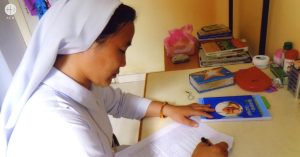
In some of the remote corners of the diocese the priests have to walk, often for three, four, five hours along difficult mountain tracks in order to reach the Catholic faithful. Their role involves not only proclaiming the Good News and administering the Sacraments, but also practical development work. For up to 95% of adults are illiterate here, and many cannot see why their children should need to learn to read and write either. And then there are issues of health care and hygiene… in short, the priests in this region have to be “all things to all men” and attend not only to the spiritual but also to the corporal works of mercy.
The 98 priests in this diocese also need something to live on themselves. Since the ordinary people cannot support them, ACN has stepped in to help – and so, in your name, we are providing Mass intentions for them. In return these courageous priests are happy to celebrate the Masses requested, for the intentions of the benefactors who have given them.

Recommended