Syria: The bleeding wound of emigration
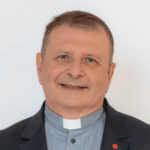
The number of Christians in Aleppo fell dramatically during the war, from 180,000 before the war to 32,000 today. Joseph Tobji, Maronite Archbishop of Aleppo and shepherd of a small community of about 400 families, spoke with Pierre Macqueron of the pontifical foundation Aid to the Church in Need (ACN).
What is the situation in the city two years after the liberation of Aleppo by government forces?
In terms of safety, the situation has improved, even though bombs continue to fall. Several have been dropped on the fringes of Aleppo over the past few weeks. Therefore, the conflict has not actually ended yet.
However, what is raging now is more a war of economics. At the end of 2016, we thought that everyone would find work again and would be able to participate in rebuilding the city. We were surprised by the embargo and by the sanctions, which are hitting us even harder now. Every day, we are plagued by power failures [16 hours a day]. The economy is not working, inflation is soaring. In addition, corruption in the country has reached record highs. It is easy to imagine the situation of the inhabitants of Aleppo. Today, the people are demotivated.

What is the situation in Aleppo two years after the government forces recaptured the city?
We have lost a lot of resources and a lot of qualified workers. Emigration has become our bleeding wound. Even those who are still here are somewhere else in their hearts. The people dream of the paradise of the Western world. However, when they arrive there, they find a different reality to what they expected. They are very surprised and very disappointed. They are disappointed here and disappointed there: that is the great tragedy. We still had hope in 2016, now many are succumbing to despair.
What is the church doing to help people in need?
Young people want to go to other countries to find work. This is why I calculated that 40 per cent of our Christian community is made up of older people, but there are only two or three homes for the elderly in Aleppo. We try to support them both socially and through pastoral care by making sure that they have access to medicine, psycho-social support, food, education and housing.

We have to strengthen the faith of the people, anchor them in this country, encourage them to be witnesses of Christ, the salt of the earth and light of the world: we cannot allow our presence here to become insignificant. We have lived through a particularly painful period of history: we are living in extraordinary circumstances. Now we need to deal with them appropriately. To this end, we organised the first Synod of Catholic bishops in Aleppo last week.
What would you like to say to our benefactors?
In the name of all the Christians in Aleppo, I would like to thank them for their assistance, which carries us and strengthens our hope. Thank you with all of my heart.

Recommended