Cuba: New constitution heads to referendum on 24 February
Cuban bishops take a critical view of the statements on religious freedom
In a referendum to be held this Sunday, the 24th of February, voters are being asked to decide on the draft for a new constitution for the republic that was passed by the National Assembly of Cuba in July. On several occasions, the Conference of Catholic Bishops of Cuba (COCC) has criticised the absence of clear and unambiguous clauses recognising the right to religious freedom.
The COCC does acknowledge that the inclusion of the statement “the Cuban state is a secular state” in Article 15 is a sign that the “right of the individual to believe in those values that reflect his or her faith, to live them and to proclaim them” is considered important. However, they criticise that this “contradicts the contents of the preamble of the constitution, which includes a reference to the absoluteness of the Marxist-Leninist ideology”. This rules out “any other possibility for achieving complete personal fulfilment besides those offered by socialism and communism”.
The bishops noted that this statement jeopardizes the plurality recognised in Article 1 of the constitution, a right that is “supposed to be protected by the constitution”.
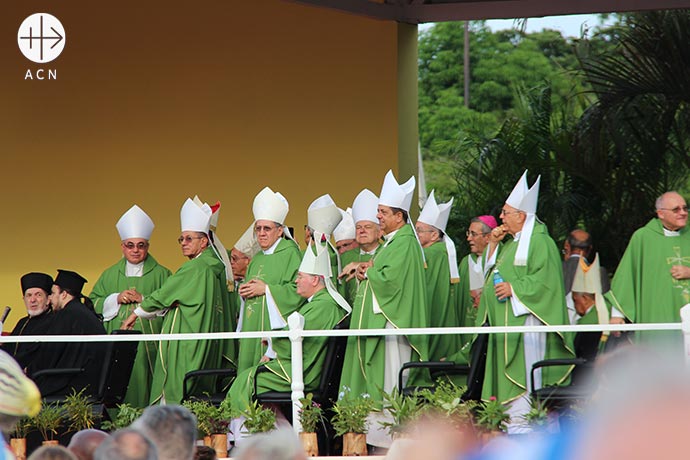
Furthermore the COCC expressed its concerns about the vagueness of the wording chosen for the definition of religious freedom in the constitution. In their statement, the bishops wrote, “The freedom to practice one’s chosen religion does not comprise only the freedom of having religious beliefs. It involves the individual’s freedom to live according to his or her personal beliefs and to proclaim these in public, always within the bounds of being respectful to others.”
In the concrete case of the Catholic church, they expressly pointed out the lack of “legal recognition of the church and its own identity and mission”, which they believe leads to the systematic exclusion of the church from “access to the media, the freedom of doctrine and evangelisation, the construction of buildings and the acquisition and ownership of the goods required to carry out its activities” as well as from the “freedom to form associations, not only for purely religious purposes, but also for education policy, cultural, health and charitable purposes.”
The referendum allows eleven million Cubans to either approve or reject the entire document. It is not possible to reject only a section of the document.

Recommended