“The Church is really a rock in Lebanon” as airstrikes intensify
Churches have opened their doors to receive IDPs, but efforts are overstretched operating schools, hospitals, care homes and orphanages.
AS another 25 people were killed by airstrikes in Beirut on 13 March, a senior Church aid-worker in the country said years of fragile peace had collapsed in an instant.
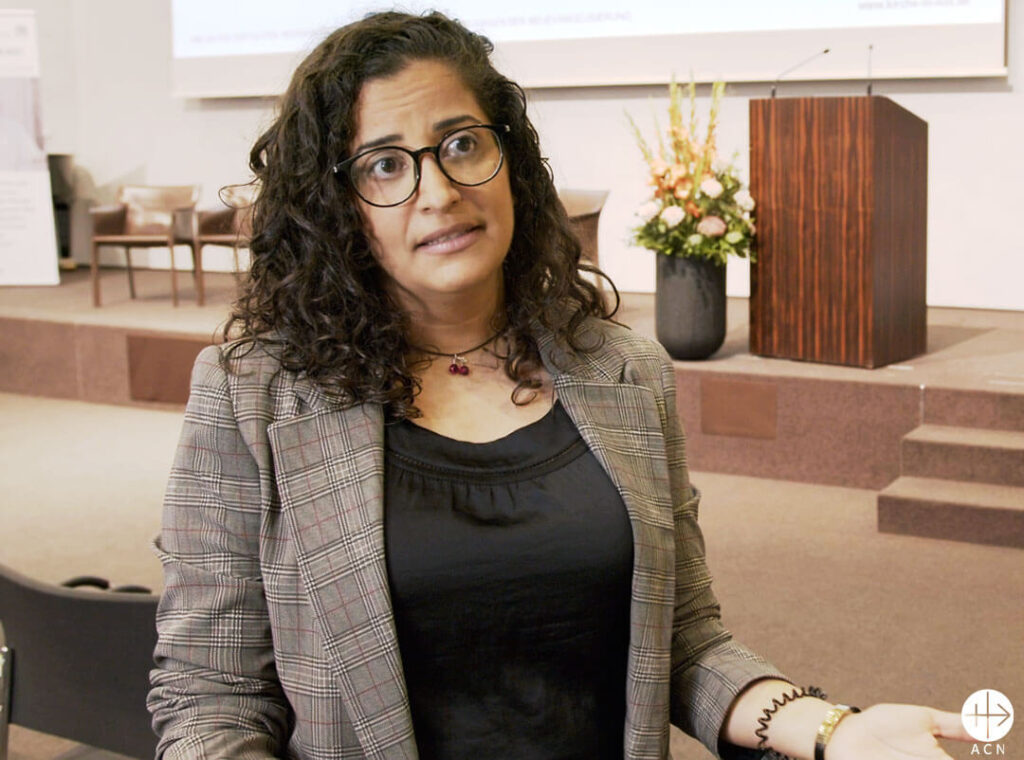
Mariella Boutros, project coordinator in Lebanon for Catholic charity Aid to the Church in Need (ACN), said the feeling in the country is that things are “overwhelmingly bad”.
A fragile ceasefire between Hezbollah and Israel set up in 2024 collapsed on 28 February after a US-Israeli attack on Iran killed its Supreme Leader Ayatollah Ali Khamenei.
Ms Boutros said that the day before the Israel Defense Forces (IDF) started airstrikes Lebanon people were “very happy” that they had not been dragged into the unfolding conflict.
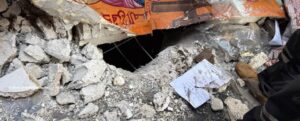
But overnight people started to evacuate southern Lebanon and bombs began to fall, with vibrations felt in the ACN office.
“The situation is more intense than the 2024 war. The bombings are more intense. On 11 March three airstrikes were felt in the ACN office and at night we also have airstrikes. IDPs are everywhere. Their situation is very difficult,” Marielle Boutros said.
Since the conflict restarted an estimated 678 people have been killed and 1,774 injured – 22 percent of casualties being children – according to the Ministry of Public Health.
The casualties include Fr Pierre El-Raï, a Maronite priest in the southern Christian village of Qlayaa, who was killed by an Israeli strike on Monday 9 March and Sami Ghafari, 70, who was killed in an air strike while watering plants in his garden in Aalma Sha’b, a Christian village near the border.
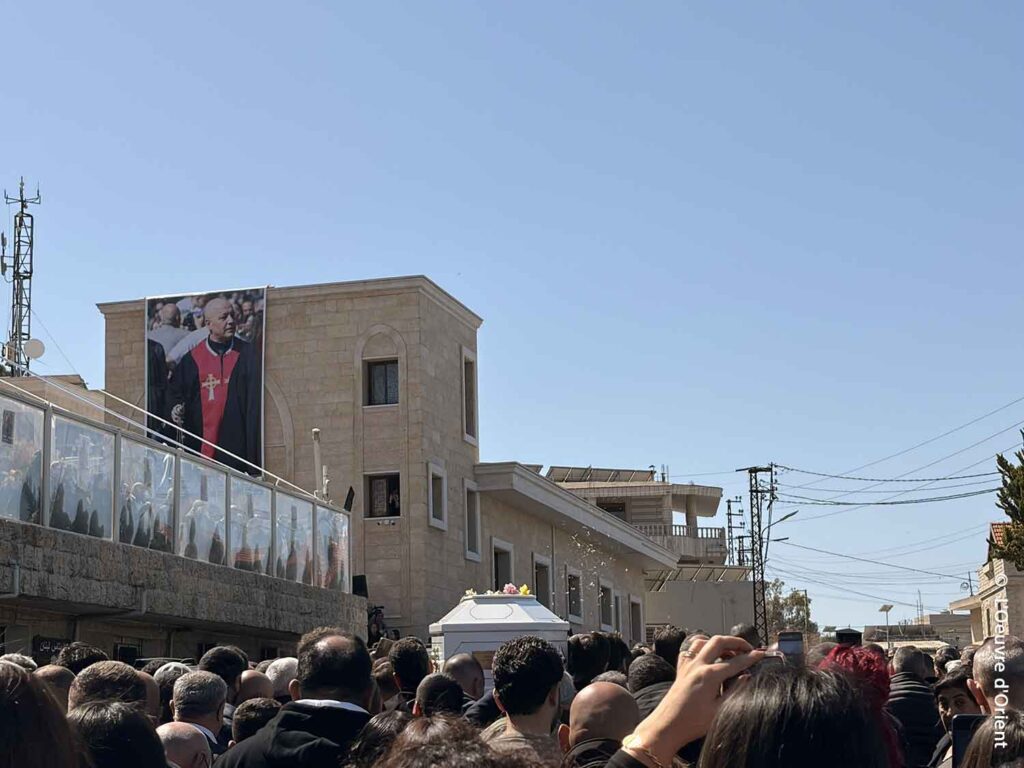
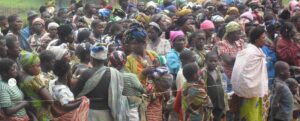
Ms Boutros said that more than 500 IDF strikes on Lebanon had created an estimated 1 million IDPs, and that 550 shelters have opened across the country including 300 state schools which are currently home to more than 120,000 IDPs with nowhere else to go.
“Our partners and us also, we are tired, we are really underwater with this war. After six years of barely surviving with the minimum that we have, we are done. There’s no income, nothing. Whenever we think that things are getting better, that things are getting back on track, whenever we have this hope – if you know Lebanese people, they usually gather themselves and try to cope and to be resilient – a new thing happens that brings us back to square one, even square zero with this war, because the overwhelming feeling is really very bad.”
She said that while the majority of IDPs are Shia Muslims there is a sizeable Christian community and that churches had opened their doors with Christian volunteers helping whoever came in.
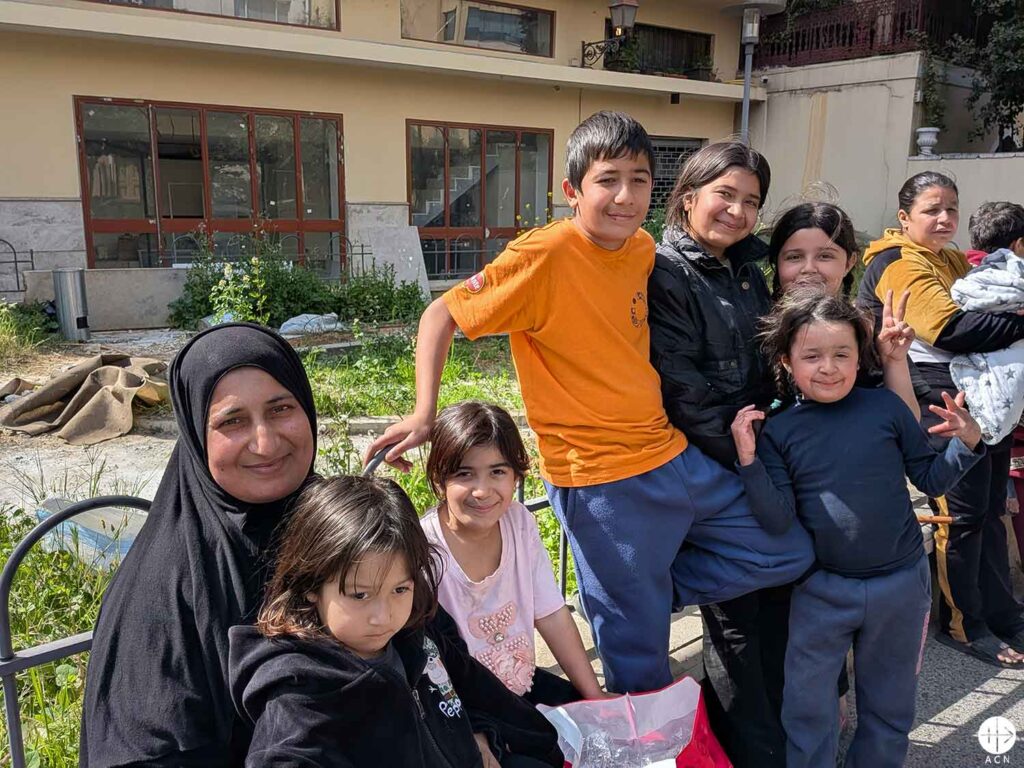
She added that the Church’s capacity for IDPs was “low” as it was already running schools, hospitals, care home and orphanages.
“The church is really a rock in Lebanon. The fall of the Church and its institutions will lead to an exodus of all Christians. The fall of the Church will be the fall of all Christians in the Middle East. Christians in Syria really depend on the Church in Lebanon, for example. They say, ‘You stand firm, and we will be okay’.”
She said ACN and other agencies are providing emergency help – funds for food, medicine, water and hygiene kits – but that the Church’s mission was important.
“Especially in the Middle East, it is a community-building programme. We want people to stay rooted here. If the Church is not close to the people, we are at risk of losing the faithful to emigration. It is the mission of the Church we are supporting,” she added.
“It’s important to give food and fuel and everything to the people, but the support is the Church standing next to the faithful, with the Church opening its doors, to let everyone know that the Church is here to support, to accompany, to pray together, to live the mission of Christ together. The Church is really a stronghold for Christians to stay in this place.”

Recommended