Ukraine: Nuncio warns of growing fatigue and spiritual needs amid war
Archbishop Kulbokas describes the reality of the front line and the role of priests accompanying soldiers.
The Apostolic Nuncio to Ukraine, Archbishop Visvaldas Kulbokas, has described the situation in the country as “very difficult”, highlighting the impact of continued attacks on infrastructure, worsening humanitarian conditions and an increasing sense of exhaustion across society.
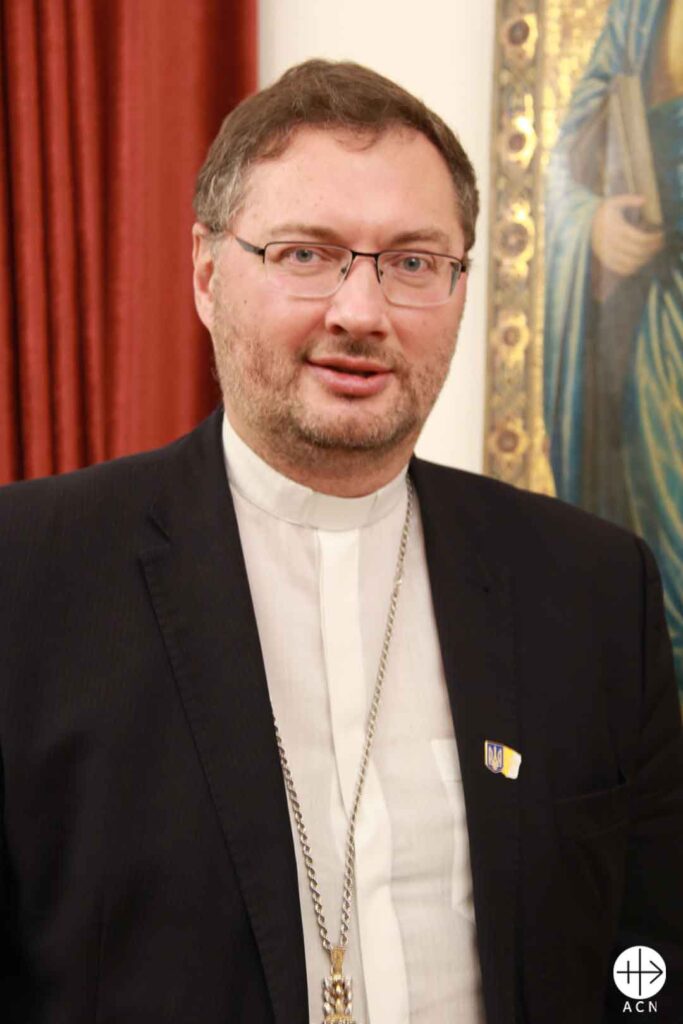
In a meeting with the charity Aid to the Church in Need (ACN), the Nuncio explained that the winter months have been particularly harsh, leaving many families without heating and electricity. While humanitarian organisations continue to provide support, including generators and basic cooking equipment, the scale of the needs remains considerable.
In many parts of the country, daily life continues to be shaped by insecurity. In areas close to the front line, movement is often restricted to certain hours due to drone activity and the presence of mines, while access to water, food, fuel and medical care remains a constant concern.
The war is also having a profound impact on children and families, Archbishop Kulbokas explained at the meeting. In some regions, children are attending school in underground shelters, adapting to a reality marked by ongoing bombardments. Population movements continue to reshape entire communities, with some cities seeing a sharp decline in residents, while others receive people displaced from the most affected areas.
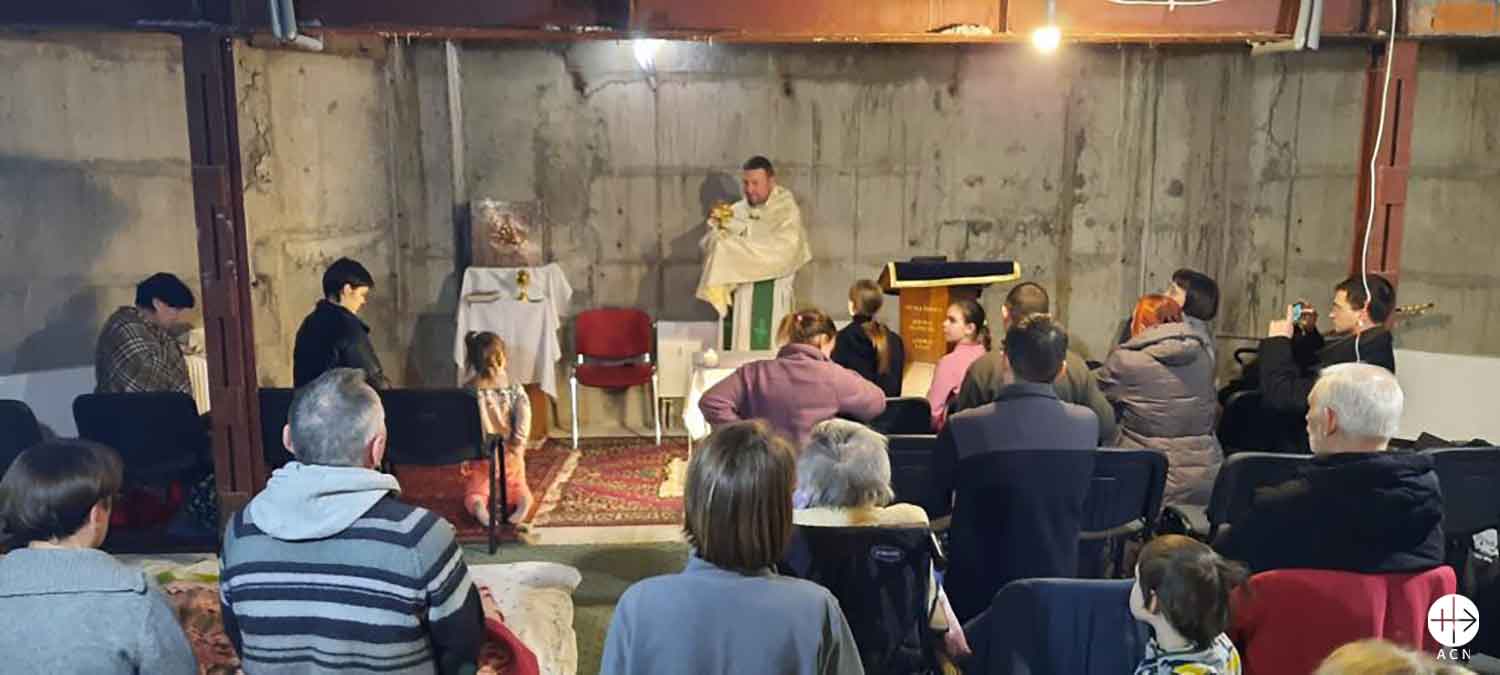
Despite these challenges, the Church remains actively present. Priests, religious and pastoral workers continue to provide both humanitarian assistance and spiritual support to those in need. Archbishop Kulbokas offered a more precise insight into the reality of the front line, where large gatherings are impossible.
“Priests go to the front lines and accompany soldiers in the most exposed and vulnerable areas,” he explained, noting that the most intense military activity, including heavy weapons and shelling, often takes place slightly behind these positions.
“Many times, their role is simply to remain with them. They pray and celebrate Mass underground, often in situations of constant danger due to the threat of attack,” the Nuncio said.
“The request for God increases dramatically closer to the front line,” Archbishop Kulbokas said, pointing to a growing search for meaning and faith among both civilians and members of the armed forces.
Archbishop Kulbokas also shared a personal story illustrating this spiritual awakening. He spoke of a young man displaced by the war who, at the beginning, did not even know what a cross was or what a church meant. Four years later, after receiving support from a priest, the young man shared his story personally with the Nuncio, as he has now entered the seminary.
Addressing broader humanitarian and diplomatic challenges, Archbishop Kulbokas referred to the situation of detainees, displaced persons and the return of children. In this context, he highlighted the role of the Holy See, which is engaged in efforts to facilitate dialogue, support humanitarian initiatives and promote solutions, although these processes remain complex and require sustained international coordination.
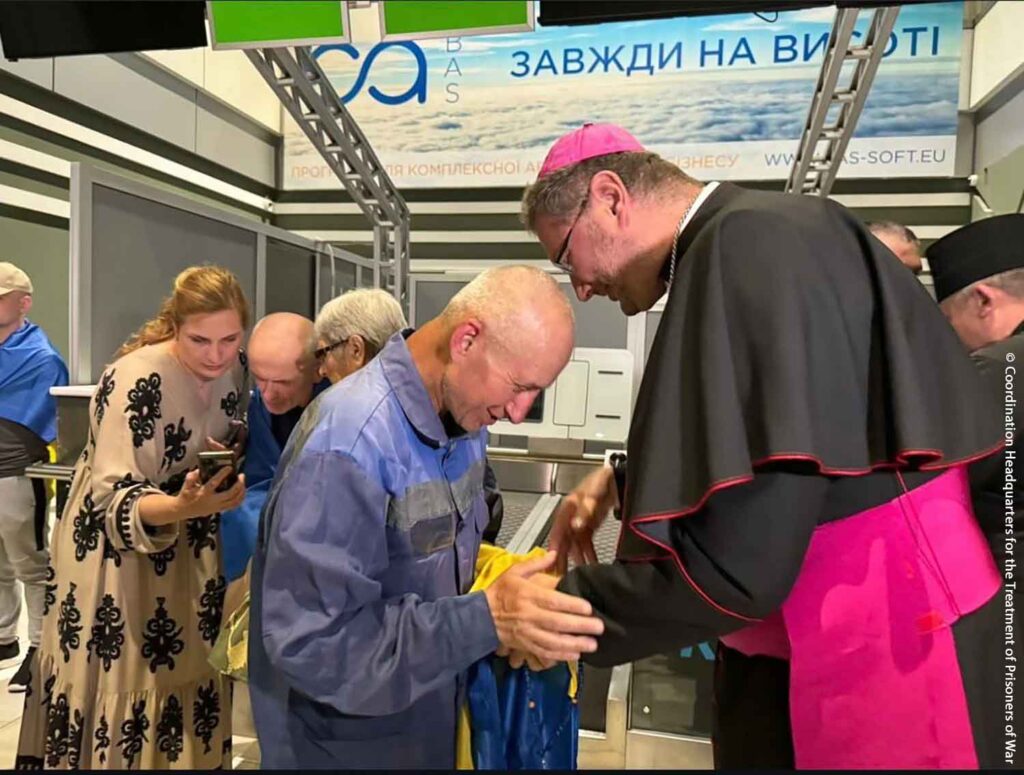
After several years of conflict, signs of exhaustion are becoming increasingly visible. The Nuncio referred to disrupted sleep due to night-time attacks and a reduced capacity to work. Nevertheless, many people continue to adapt to extremely difficult circumstances, sometimes without basic services such as heating or electricity.
Speaking to the delegation from ACN that is currently visiting Ukraine, the Nuncio expressed his gratitude for the charity’s continued support of the Church in the country, especially through projects assisting priests, religious and pastoral workers in the most affected regions.
Recommended