Aid worker says people feel “dehumanised” as Lebanon buckles under bombings
Among the priorities is the reopening of schools and paying teacher’s salaries, as these play a crucial role in spreading Christian values in the region.
People are feeling “scared, angry and sad” after more than 100 bombs fell across Beirut in a single night shattering any remaining sense of safety for those who remain living in their homes, an aid worker has said.
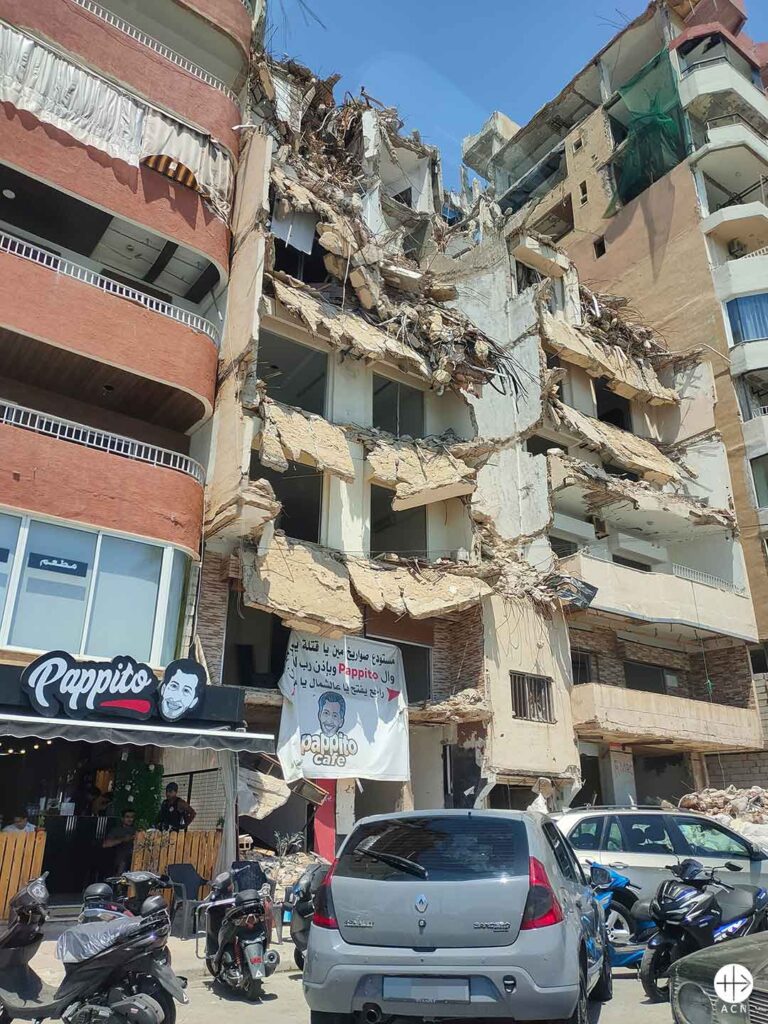
Israel Defense Force (IDF) launched a massive wave of strikes on Beirut on 8 April, killing at least 254 people and injuring more than 1,000.
Following US president Donald Trump’s announcement of a ceasefire with Iran on 7 April, Israel’s prime minister Benjamin Netanyahu said there is “no ceasefire in Lebanon” and his country would continue “to strike Hezbollah with full force”.
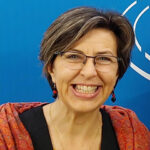
Marielle Boutros, project coordinator for Catholic charity Aid to the Church in Need (ACN) who lives and works in eastern Beirut, said people believed they were in the safety of their own homes when bombs exploded.
She said: “Two days ago more than 100 bombs fell over Beirut. It was here and there, not just the south of the capital, it was around the whole city – you could hear the bombs from our office.“
“Some areas were not previously targeted so the people thought that they were safe but actually they were not. It was scary, it caused anger, it caused sadness especially when you hear a ceasefire is happening elsewhere. It was really tragic.”

A fragile ceasefire between Hezbollah and Israel set up in 2024 collapsed on 28 February after an US-Israeli attack on Iran killed its Supreme Leader Ayatollah Ali Khamenei.
Since then more than 1,800 people have been killed including 120 children and a further 3,000 people injured.
Israeli troops have evacuated large swathes of southern villages as it attempts to seize control of the borders.
On 31 March the Lebanese Army withdrew from Rmeich and Ein Ebel, the two Christian villages in south Lebanon which will now be in Israel’s buffer zone.
Marielle Boutros said every day brings a mixture of relief and grief. “You feel you are being dehumanised. You call your relatives, and you are relieved that they are okay, then you have 200 dead and nearly 2,000 injured. You don’t feel safe. Some of the victims were in their houses, in a secure and comforting place, and they were bombed.“
“You have to cope with your anxiety, fears and guilt that have developed over the last few years. For me, this is the worst thing – when you are relieved that it’s not your family but you have dead families on the ground. We have this pressure to continue our daily life because you cannot afford not to because of the economic crisis.“
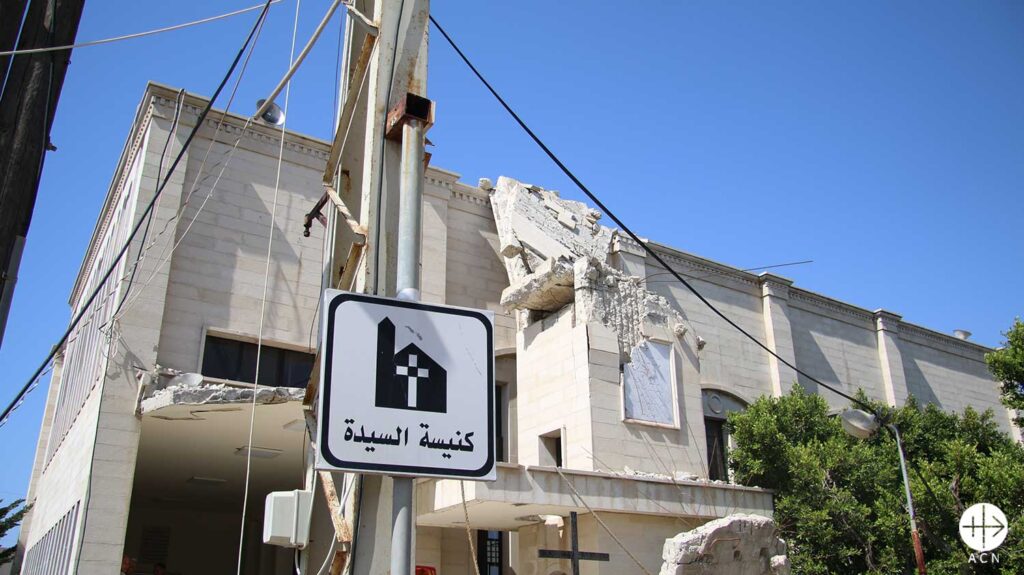
“We are not fine. We are surviving but in the heart of each one of us we want this nightmare to end in some way,” she tells ACN.
ACN has several projects in Lebanon including support in the south of the country with food parcels and medical support. The charity can get fuel to displaced families living in church centres and also psychological support and trauma healing for children.
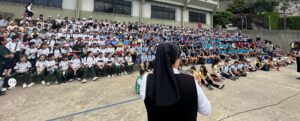
According to Mariell Boutros, the charity’s school programmes and support for churches is critical. “Right now the schools in South Lebanon are not operating. Some of them are operating online and teachers need to be paid. This is a real emergency. We cannot afford to stop education again. Schools were closed in 2019, and during Covid, and then through an economic crisis.“
“The school system in Lebanon is very important for the population as it’s a strength for Lebanese people. After their graduation they go out of the country to pursue their studies before coming back. They cannot afford to close.“
“For the Church too it’s very important as it’s where catechism takes place. It’s a place for missions, for preaching, for transferring Christian values and living those values. These are key elements for society here.”
Ms Boutros appealed to people for their prayers, saying “If people can pray for us – It’s becoming impossible day after day but you can feel that prayers are possible. After all, our God is a God who was resurrected. He defeated death. We can rely on such a God.”

Recommended