Equatorial Guinea’s spiritual preparation for historic Papal trip
The local Church hopes that there will be a “before and an after” this visit, which comes over four decades after the last.
The Church in Equatorial Guinea is in a state of deep hope and spiritual preparation for the upcoming visit of His Holiness Pope Leo XIV, an historic event which coincides with the celebrations of the 170th anniversary of the first evangelization in the country, in 1855.
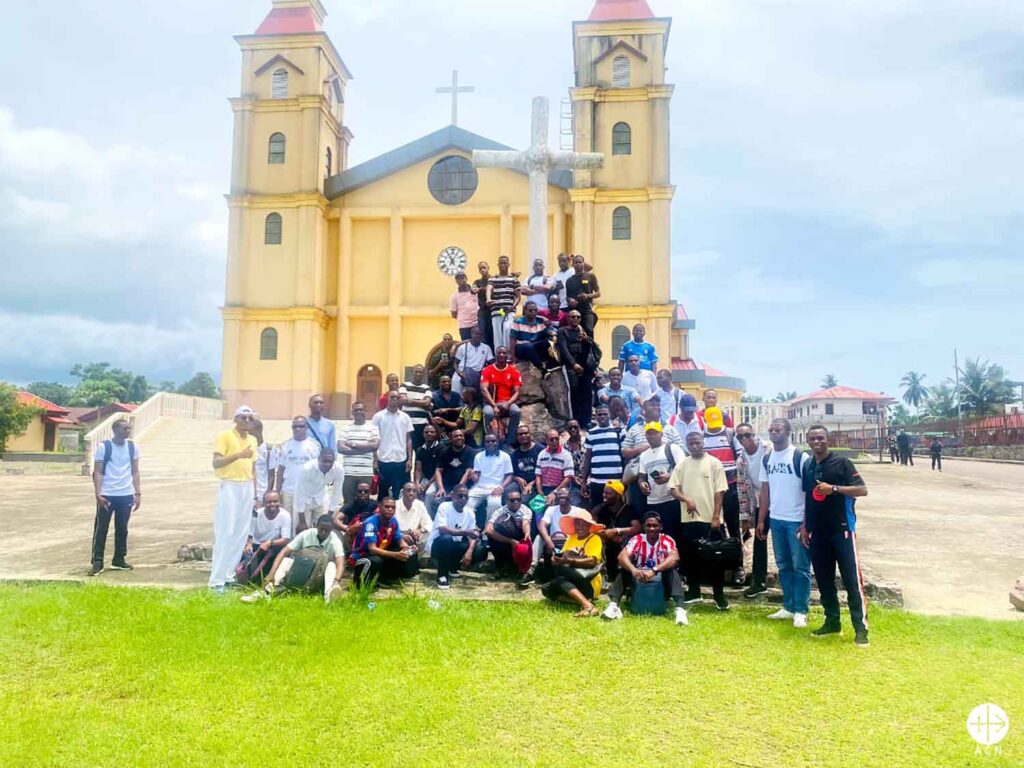
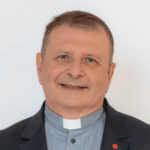
Over 40 years after Pope Saint John Paul II’s visit in 1982, the faithful are undergoing an intense preparation to welcome the Holy Father. The two trips are very different, however. “While the 1982 apostolic visit was part of a wider trip through Africa, and was more of a stopover, this one was specifically thought of for Equatorial Guinea, which highlights the symbolic and pastoral relevance of the event for the country”, says Father Sebastián Mba Nguema Mokuy, rector of the “La Purísima” major inter-diocesan seminary in Bata.
“On that occasion Saint John Paul II left a message which really stuck in my memory: ‘Equatorial Guinea, rise up’. Today that calling resonates with even greater strength. That is the spirit we have to recover,” he explains to ACN.
Spiritual preparation and great mobilisation of the faithful
Every diocese in the country is organising formation meetings, catechesis sessions and pastoral activities. “This weekend I spoke at a conference for the spiritual preparation of between 500 and 600 faithful in Mongomo, all from apostolic groups and associations, to help prepare their hearts for the Pope’s arrival,” the priest explains.
The motto of this Papal trip, which will take place from 21 to 23 April, is “Christ, light of Equatorial Guinea, towards a future of hope”, which is an invitation to rediscover faith as a moral guide and source of social transformation.
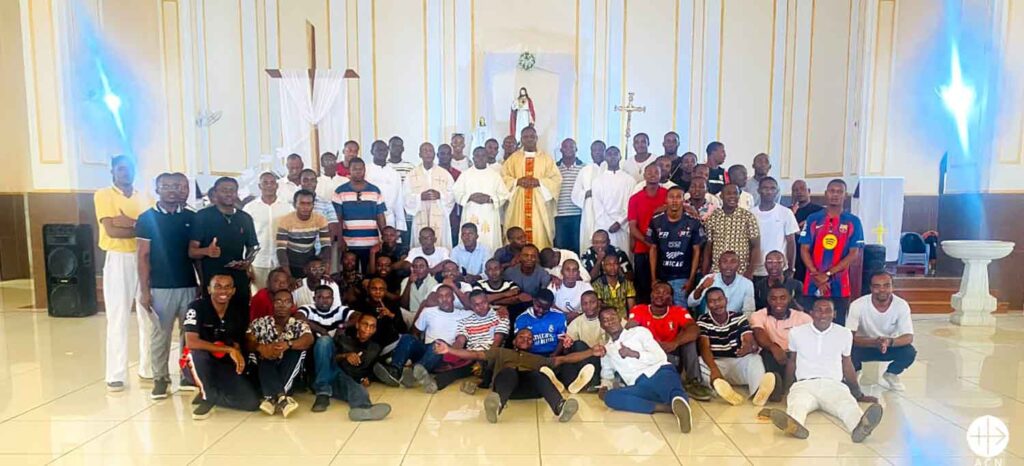
Equatorial Guinea has a population of around 1.5 million people, over 97% of whom identify as Christian, with 85% of these being baptized Catholics, though, there are still many incidences where the faith is mixed with practices of traditional religions. All this makes the Pope’s visit especially significant.
According to Father Sebastián, the visit comes in a context of pastoral challenges, such as the growth of sects, secularisation and certain social tensions. “The people have been losing part of the spiritual boost they received in 1982, so the Pope’s arrival should be a time of ‘aggiornamento’, of deep transformation,” he claims, adding “there should be a before and an after this visit. It is a moment of deep inner renovation, of encounter with Christ and strengthening of our faith as a community.”
Meeting with youth, families and the most vulnerable
The trip’s schedule includes some powerful pastoral moments. One of the most significant is the large meeting with youth, families and apostolic movements in Bata stadium.
This event coincides with a recent initiative of the local Church. The National Gathering of Youth had its first edition in 2024, with the support of Aid to the Church in Need (ACN). Encouraged by the World Youth Day attended by Pope Francis, the Church in Equatorial Guinea decided to make this a regular event, to be held every two years.
The event planned for 2026 was initially going to take place in Malabo, but was changed to Bata so as not to clash with the Holy Father’s visit, making it even more of an Ecclesial and national event.
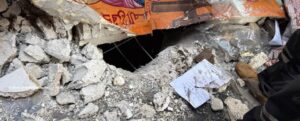
The Pope will also be visiting a psychiatric centre, carrying with him a message of hope for the most vulnerable, and will be presiding over a moment of prayer for the victims of the 7 March 2021 explosions in Bata, when a series of blasts at a military barracks killed over one hundred people and wounded around 500. The tragedy, which was caused by the accidental detonation of stored explosives, left a deep mark on society, and remains a symbol of collective pain.
ACN’s essential role for the local Church
Pontifical foundation Aid to the Church in Need has been a constant companion of the Church in Equatorial Guinea, supporting the formation of seminarians, the construction of infrastructure and pastoral work in a context of very limited resources.
The major inter-diocesan seminary, which is home to 76 students, suffers from a lack of important materials. “We are very happy to receive help, because it makes our mission possible,” Fr Sebastian stresses. “It is not only the material aid, but the concrete sign of the charity of the universal Church.”
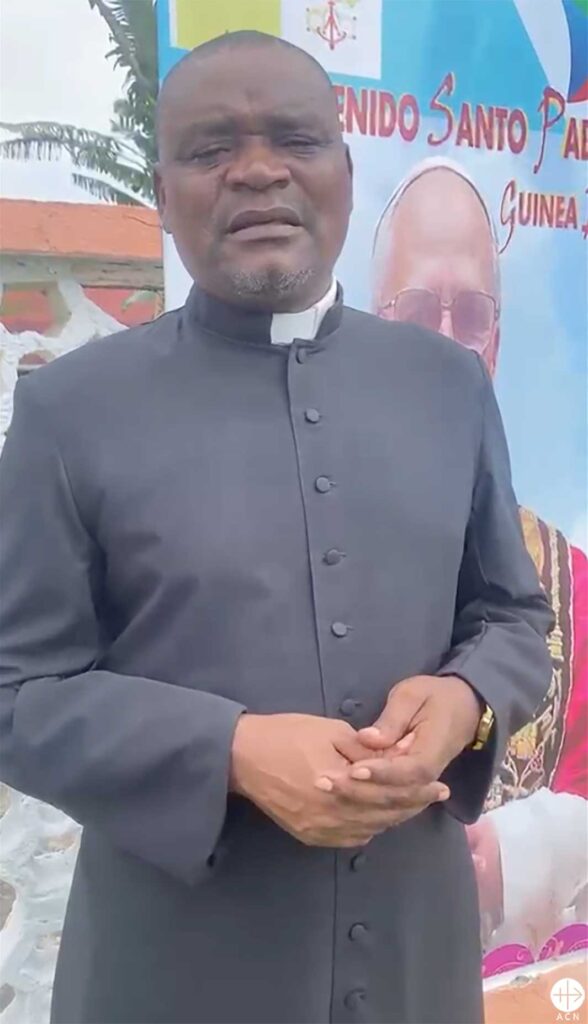
“God is close to our people,” Fr Sebastián concludes. “We hope that this visit will revive our faith and help us rise up with hope in the future.”
The priest’s message is clear: “We should not look at the difficulties as a fatality, but as an opportunity to rebuild. Today, as in 1982, we continue to heed the strong call: Equatorial Guinea: rise up!”
Recommended