Jihadists are trying to establish a caliphate in northern Mozambique, says bishop
Villagers in Cabo Delgado used to be united despite their religious diversity, but lately religion has become a dividing factor, reports Bishop António Juliasse.
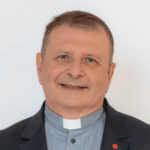
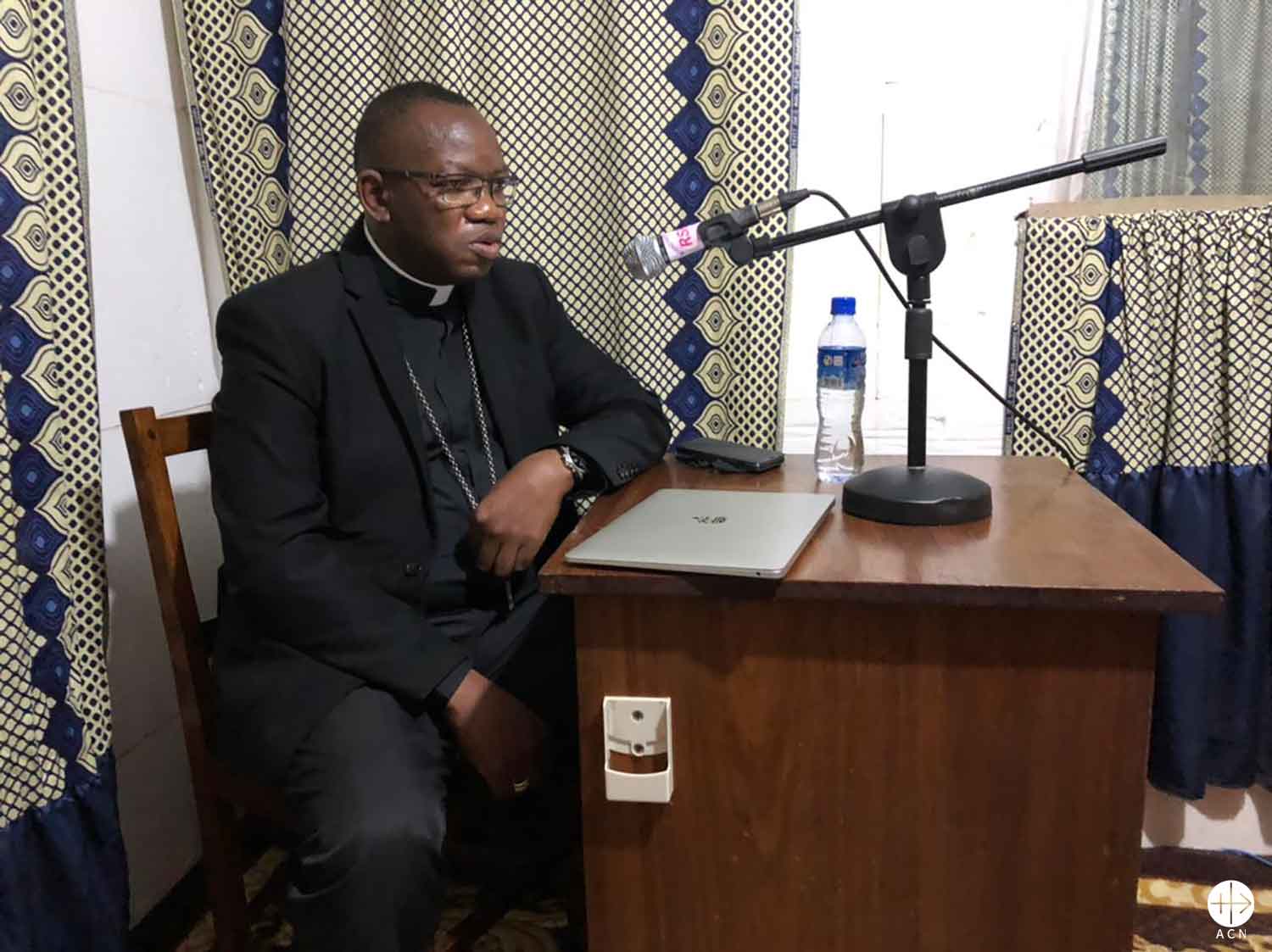
The Jihadists who have been waging an insurgency in the northern province of Cabo Delgado, Mozambique, are trying to establish a caliphate in the image of the Islamic State, says Bishop António Juliasse of Pemba.
In a message sent to Aid to the Church in Need (ACN), Bishop Juliasse said that “the signs are all there. They speak openly of a caliphate. When they find people, when they kidnap victims, that is what they say, that they are working for a caliphate.”
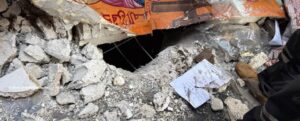
The Jihadist attacks in Cabo Delgado began in 2017. Fighting has caused over 6,300 deaths and resulted in more than one million displaced since October 2017. At first, the militants mainly attacked military and government buildings, but over the past few years they have taken on a more specifically anti-Christian stance in the Muslim-majority region of Mozambique. Over 300 Catholics have been murdered, many by decapitation, and at least 117 Church buildings have been destroyed, including chapels and even large historic churches, like that of the St Louis of Montfort mission, which dated from 1946 and was burned to the ground at the end of April.
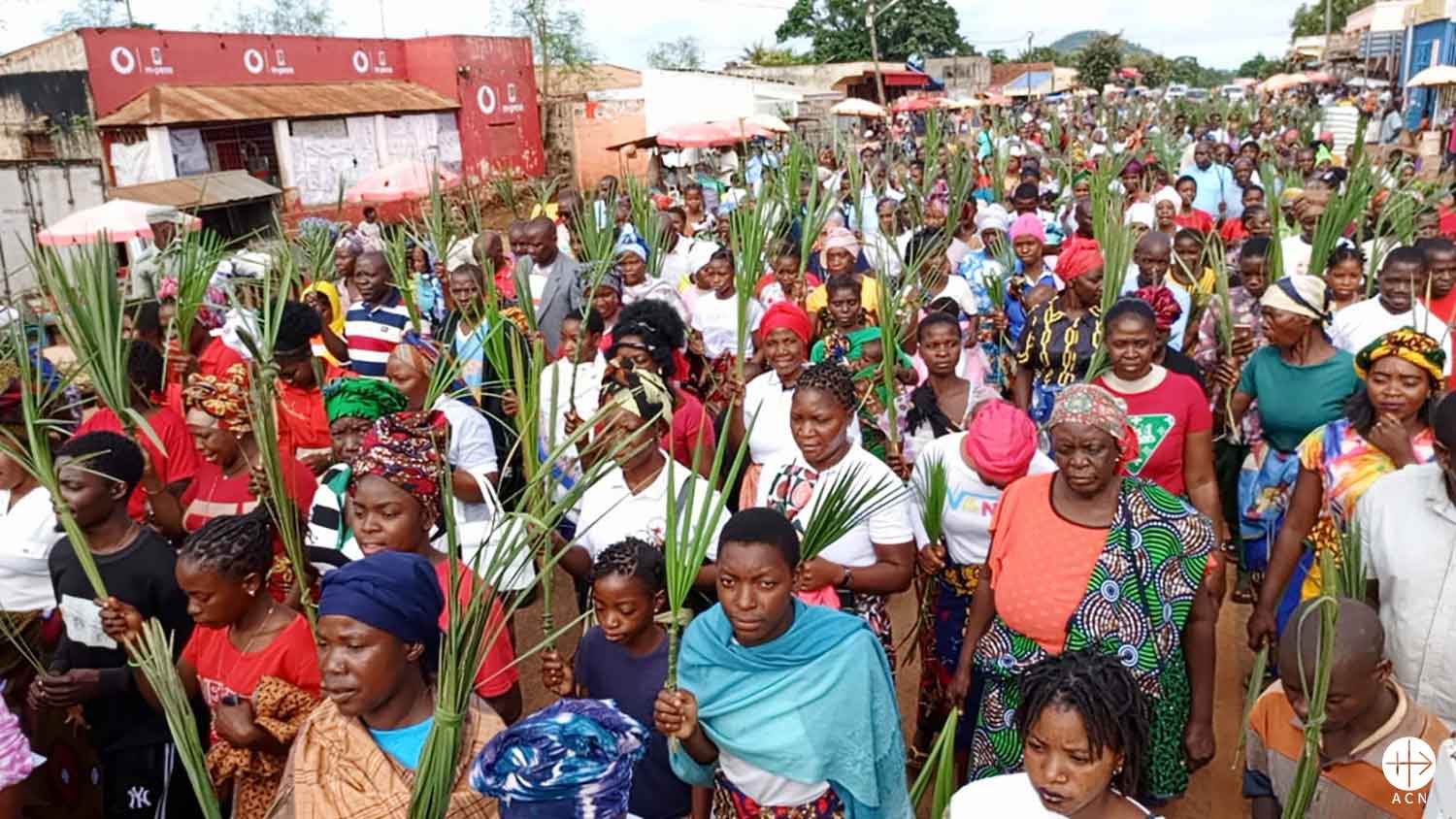
This level of violence and the anti-Christian rhetoric have begun to have an effect on the wider population, Bishop António Juliasse told ACN. “What worries me is the hate speech which accompanies all the violence. For a long time, religion was one of the aspects that made coexistence easier, but now it is becoming an obstacle, it is beginning to divide. In the villages in Cabo Delgado, Christians used to attend Muslim funerals and vice versa, but now this is beginning to be questioned, and this is not because of the Christians.”
“This is something that should worry the Government, and all of society, before it is too late,” he concludes.
Silence is not the answer, but neither is force
Bishop António Juliasse told ACN that although “silence may be a sign of caution”, it can also be read as a “lack of interest” in the sufferings of the people of Cabo Delgado. “Silence is always dangerous,” he insists, “it is hard to read, and leads to confusion. That is why I have always said that we need to face up to the situation, to speak up, to guide people, tell them what needs to be done, what they can expect and what the people can do together. We need to have this discussion as a nation, but I don’t believe that we are handling it correctly.”
However, the Church in Mozambique has also made it clear that military force cannot be the only solution. “Recently we published a pastoral note protesting against the state of affairs in Cabo Delgado, but also pointing out alternative paths,” Bishop Juliasse explained in his message.
“I don’t believe that the military option is the only solution. We need to find different paths, including one that Mozambique is already familiar with, the path of dialogue. The people of Mozambique need to dialogue so that this war can end.”
This is especially important for a future of coexistence, since “many of those who are fighting in the forests are from Mozambique, they are sons of this land, they are part of it. There may be a few foreigners, but we need to dialogue and have the courage to face up to this.”
The nine years of insurgency in northern Mozambique have taken their toll on the nation, which is already one of the poorest in the world. Fighting has caused over 6,300 deaths and resulted in more than one million displaced since October 2017. “This is a situation which pains us greatly, but we must not lose hope,” the Bishop of Pemba told ACN.
The pontifical charity has been supporting the Church in Mozambique in its efforts to face up to the challenge. ACN has provided emergency aid but also psychological and social support and has helped rebuild damaged infrastructure.

Recommended