War brings both hope and despair to Lebanon
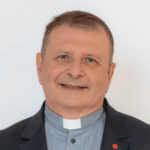
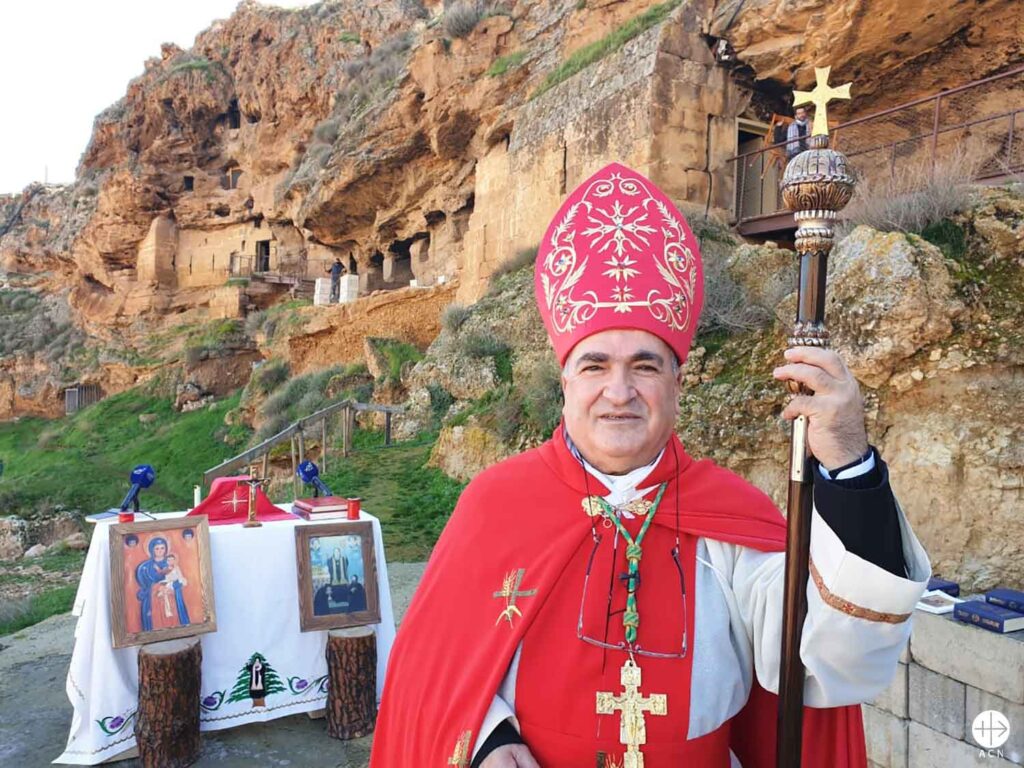
Archbishop Hanna Rahme, of Baalbek Deir El-Ahmar, in Lebanon, seeks to keep up evangelisation efforts, welcome refugees, live alongside the Shias and encourage hope in the midst of constant crises and successive wars.
The Congregation of the Monks of Beit Maroun, Servants of the Cedar of Lebanon, is a new congregation founded in 2019, composed to date of three priests and twenty brothers and placed under the authority of Bishop Rahme. What distinguishes this congregation is that one of their vows is evangelization, and their local Archbishop, Hanna Rahme, knows that this requires proper formation, which is why he wants to send them to university for more studies. The archbishop is grateful to ACN, which has been crucial to helping the monks pursue their studies. “We now have 15 brothers studying, and some have obtained scholarships, due to their academic prowess. However, these reductions remain limited and do not cover the full tuition fees. This is where ACN’s support becomes essential in helping to cover the remaining costs. In addition, we have new vocations, and five novices will soon be going to study as well.”
Archbishop Hanna believes that the congregation has become popular due to its work with the youth and active presence on social media, highlighting the competitions organised for catechesis students.
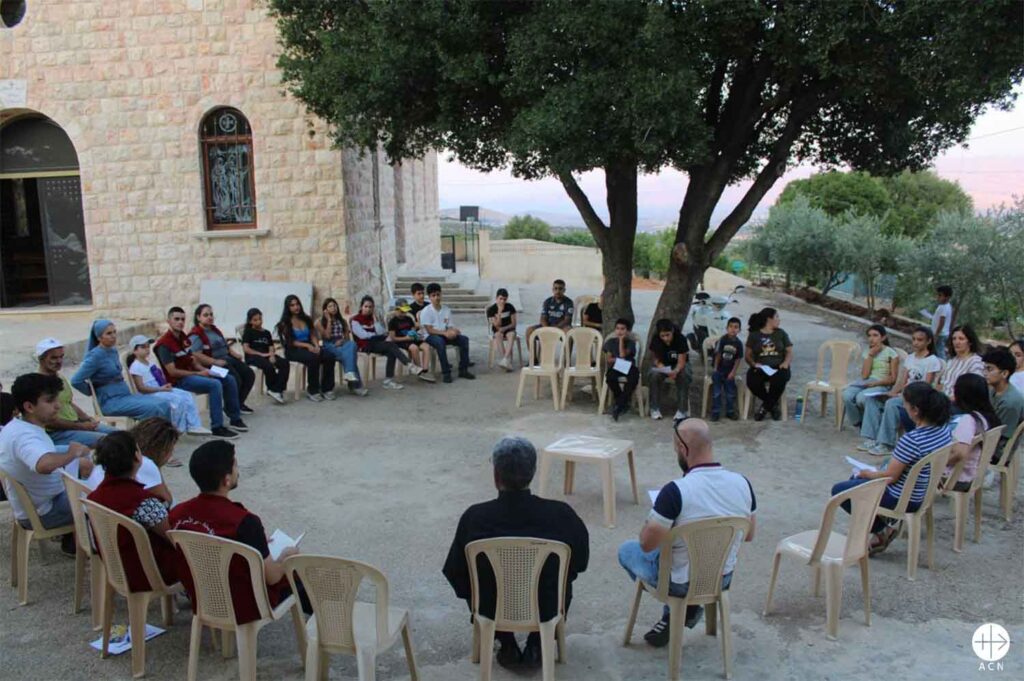
The subject of youth was one of the issues discussed during Archbishop Hanna Rahme’s recent visit to the charity’s headquarters, in Germany. “Thanks to ACN we have summer camps for young people from all over Lebanon, as well as from Syria. This is one of the Church’s most important tasks. Economic collapse has led to despair, drugs become an easy and recurring escape, especially among the young displaced Lebanese. At the camps we give them meaning and hope. It is not an easy task. Currently most young Lebanese cannot even think of marrying and becoming independent, we hope to give them hope, and encourage them to remain in the country.”
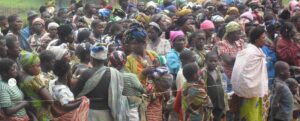
The new situation in Syria would seem to make it likely that Syrian refugees in Lebanon begin to return home, but this is only partially true, says the archbishop. “The Sunnis feel safe under the new government, but many Alawites, Shia and Christians prefer to remain, because they don’t feel safe,” he says.
Asked about the war, which is currently affecting Lebanon, Archbishop Rahme says he remains hopeful. “I am 66 years old; I belong to a generation that has known nothing but war. I would never have survived the situation Lebanon is going through if not for Jesus. I am very lucky, I have hope, I cannot imagine what it must be like for people to go through this without Jesus in their lives.”
“The violence, which at the beginning was aimed at Shias, has spread to Christians,” the archbishop explains. “Just today they bombed a Christian village in the south. We all want to end terrorism, but this violence is not an answer. We ask the UN to oversee dialogue,” he adds.
Coexistence with the Shia has become a challenge to seeing God at work in the midst of the war. At first, many Christians found it hard to believe that the Shia, who they see as being responsible for the war, were coming to them for help. But the Church has welcomed them with open arms, and Archbishop Rahme says that this has even led to some conversions.
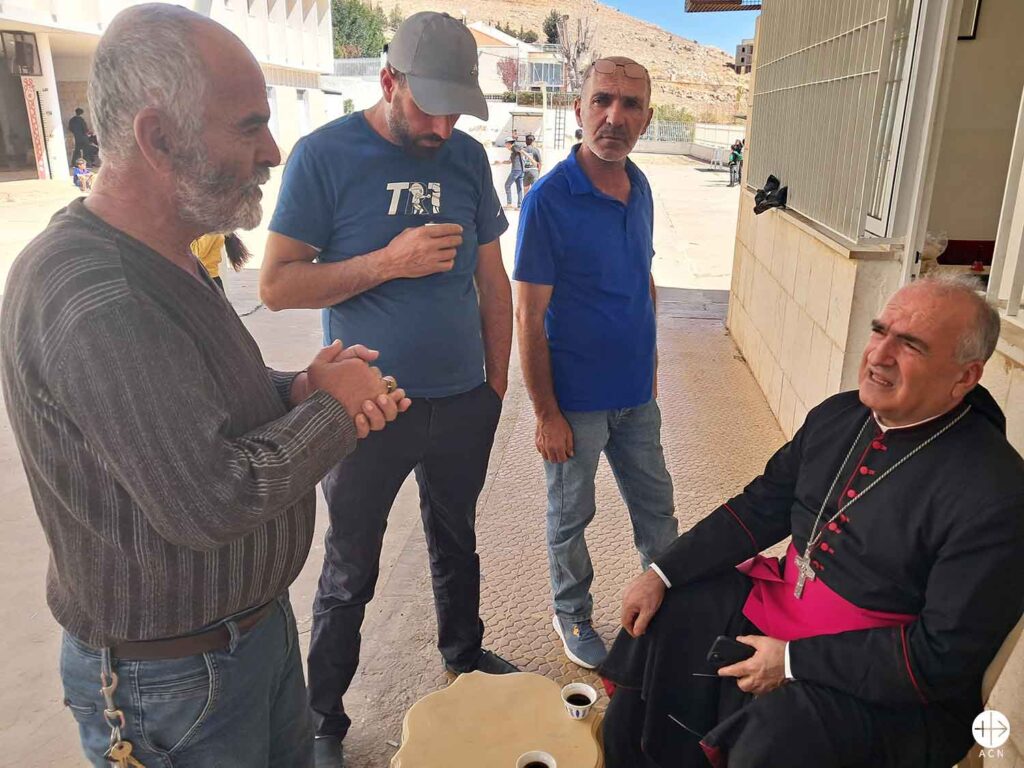
“The other day a priest was telling me that a displaced family from a Muslim village had arrived and was worried about how they might be received. But the priest flung open his doors and helped them rebuild their lives. A few days later he heard the daughter say to the parents: ‘it seems that the Christians are nice, and genuinely like us’, as if contradicting what her parents might have told her previously. At the end of the day”, Archbishop Hanna Rahme reflects, “when you are raised in an isolated space, such as the village this family was from, you believe anything you are told.”
The war has brought many Christians closer to the Shia, which in turn is making the Church’s evangelisation mission in Lebanon easier. “The war has made many people realize that the Church’s charisma is to call for peace and coexistence, even when other voices may promote violence. It is a completely different outlook, and when the situation stabilises, I hope that many will take the step, despite the risk of losing their job or their families, because people are noticing this contrast.”

Recommended