Bishop Dassi on the Pope’s Visit: “The Church in Cameroon is vibrant, but the Anglophone conflict remains an open wound”
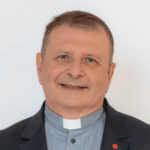
As Pope Leo XIV prepares to visit Cameroon on 15 and 16 April, pontifical foundation Aid to the Church in Need (ACN) interviewed Bishop Emmanuel Dassi, of Bafia Diocese, who spoke of the reality of the local Church, its social and political role, and the challenges facing the country – particularly in the Anglophone region, which is marked by conflict. Speaking to ACN, the Cameroonian bishop stated that Pope Leo XIV’s visit could be a sign of peace and highlighted the growth of the Church despite violence and pastoral challenges.
How would you describe the Church in Cameroon that Pope Leo XIV is visiting?
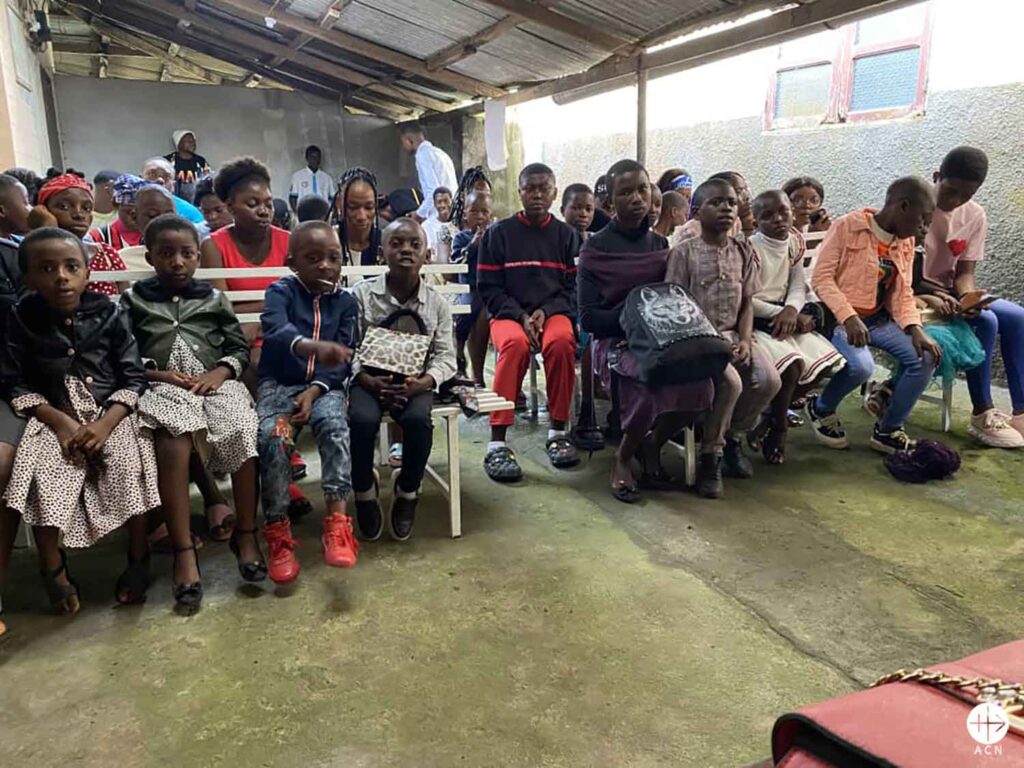
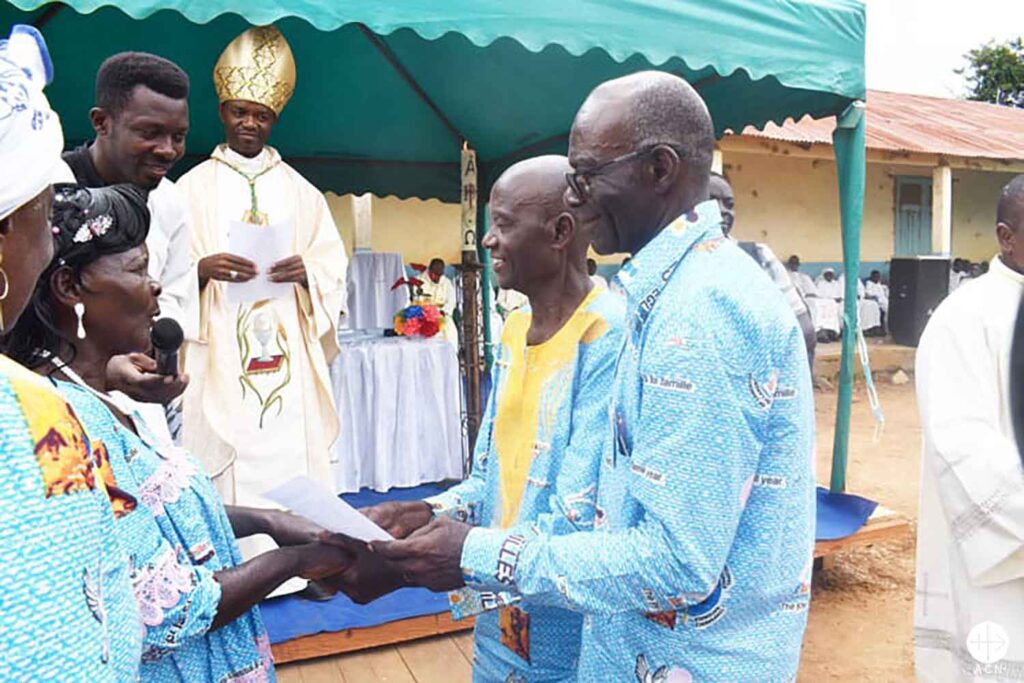
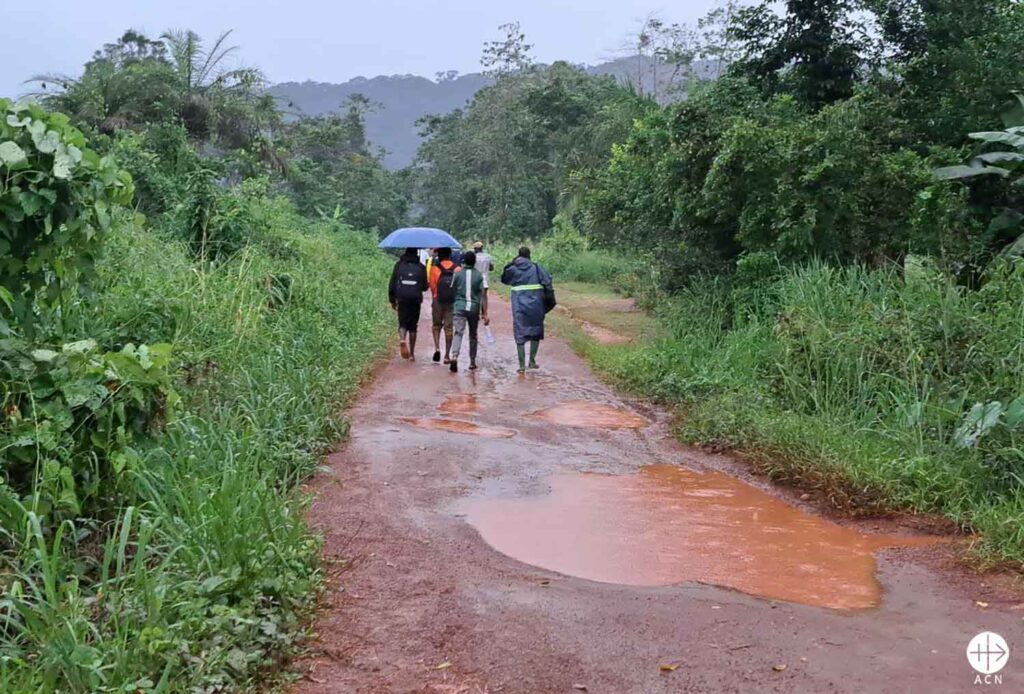
Ours is a vibrant and dynamic Church! We celebrate many baptisms, and there is also a significant number of priestly vocations. In my diocese, I have 77 priests and 30 seminarians, so I am not overly worried about the future. Furthermore, I have received requests to open ten new parishes in the near future. This demonstrates the growth of our Church, although I do not know if we will have the resources to respond favourably to all these requests. We face difficulties in being present where we are needed, especially in rural areas. Some parishioners travel kilometres by motorbike just to attend Sunday Mass!
From a social perspective, does your Church play an important role?
Certainly! Obviously, through Catholic schools and hospitals, but also by ensuring the Church has a voice in many matters. Regarding the family, in particular, our young people find it difficult to commit to marriage, whether through the Church or according to traditional custom. Many choose to live together as a couple without a definitive commitment. They do so because of the influence of modern society, but also because of the custom of the dowry. In our culture, the fiancé must provide a dowry to the bride’s family for her hand to be granted. Therefore, we emphasise the importance of the Sacrament of Matrimony, which must take precedence over these considerations.
Would you say it also plays a role in political affairs?
An observer’s role, so to speak. During last year’s elections, the Bishops’ Conference warned candidates about the challenges awaiting them. Similarly, the Cameroonian Justice and Peace Commission organised the electoral observation to alert our fellow citizens to the risks of fraud. Unfortunately, we only received accreditation to carry out this observation work in a third of the polling stations across the country. Our observers detected various irregularities during the elections, but we do not have sufficient data to claim that the new government is illegitimate.
Does the Cameroonian clergy also play a role as a mediator in the conflict in the English-speaking region?
We are the only local actors who enjoy a degree of credibility with both sides. Since the violence broke out in 2017 between separatists and security forces, we have never hesitated to criticise the government’s shortcomings, and we maintain a presence in the disputed areas. The clergy is paying the price! Priests and bishops are frequently kidnapped. Even our Cardinal Tumi – may he rest in peace – was kidnapped, carried like a parcel on a motorbike, and held for two days in the jungle, despite being 90 years old at the time.
The conflict continues, although fortunately it is no longer as violent as before. I believe Leo XIV’s visit is part of this peacebuilding work of the Church.
In what way?
This papal visit is a sign of peace. On Thursday 16 April, he will travel to Bamenda, the epicentre of the Anglophone separatist crisis. Roads that had become impassable due to local armed groups have been reopened. Companies had refused to maintain them because their machinery had been set on fire! In recent months, they have brought the city back into operation. The Pope’s plane will even land at the city’s airport, which had been out of service for years because of the conflict. This shows that local leaders have accepted a truce and have entered into talks with the government. Perhaps this is the beginning of a path towards peace?
Are you not being overconfident?
Remember what the Angel Gabriel said to Mary! “For with God nothing shall be impossible.” Everything is possible with God… The separatists have taken a step in the right direction by facilitating this visit; now I hope the government will push for a democratic breakthrough.

Recommended