Remembering Sudan: A responsibility that we must all bear, not just the governments
A missionary warns that the world has forgotten about Sudan, a country currently experiencing the worst humanitarian crisis in the world due to a three-year-long civil war.
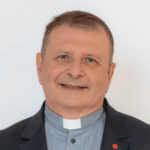
In an interview with Aid to the Church in Need (ACN), Fr Diego Dalle Carbonare, a Comboni missionary with experience in Egypt, Lebanon and Sudan, highlights the collective responsibility that people share, as citizens of the world, for peacebuilding, including in places the world has forgotten.
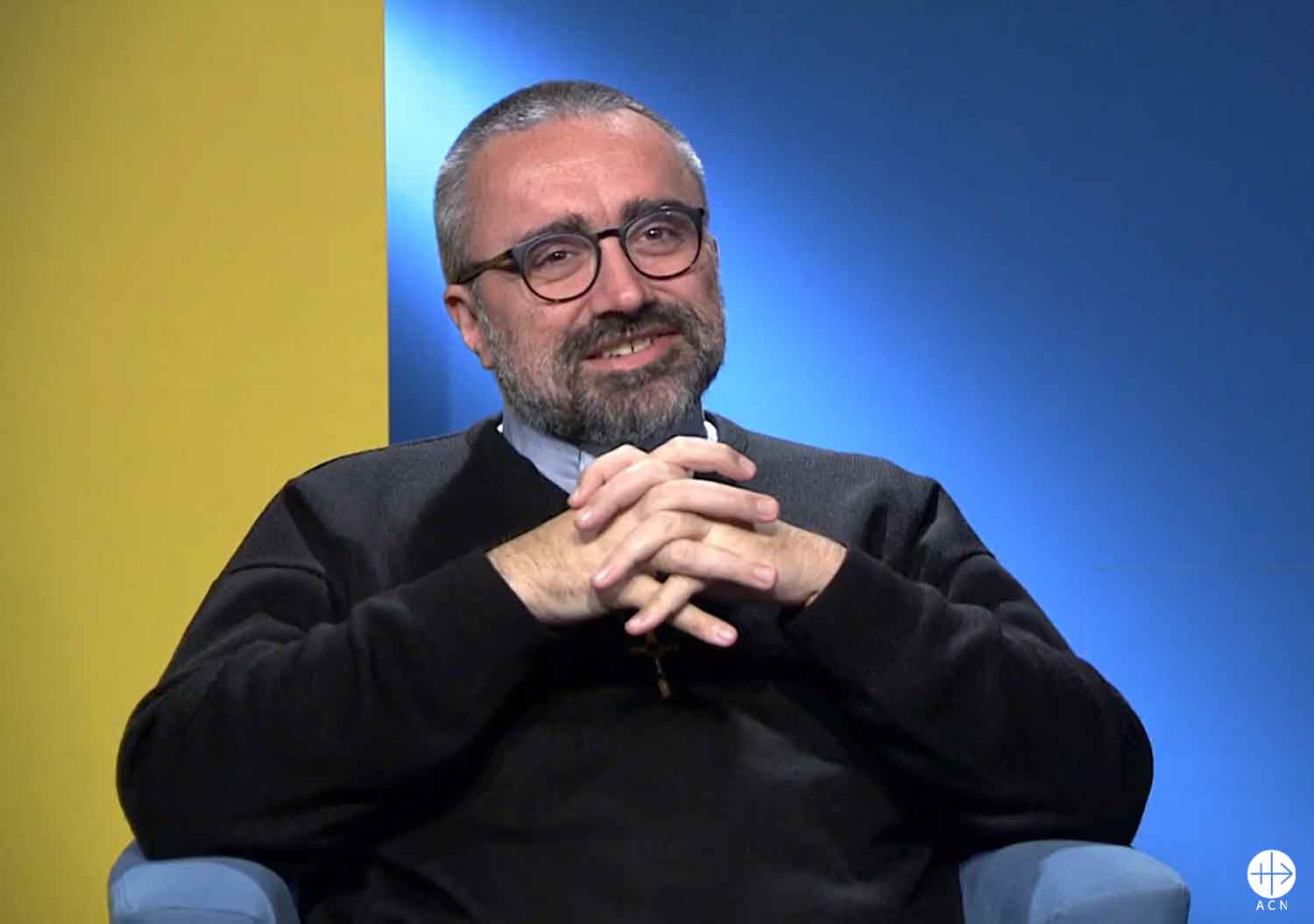
“The Catholic Church teaches that we share a common home. Distance should not be an issue. What is happening in Sudan, what is happening in Africa, to civilians, children and women, concerns all of us in some way.”
To illustrate this common duty, Fr Diego says that “we all believe in a judgement. One day, God will examine us, and many will be surprised when he asks about forgotten wars. As citizens, we have the duty to ask our governments to do whatever that is in their power to stop wars and to regulate the weapons and the gold trade, which is what funds wars such as the one in Sudan. We are all citizens of countries whose governments should be held to account for their commitment to peace in the world, everywhere. Therefore, to forget about Sudan, or any African country, is not to be taken lightly by us or by our governments.”
Sudan has been plagued by war for three years. The army has taken control of Khartoum, allowing the Christian community to return to the capital. This was a very important step for the Christians of Sudan, who numbered around one million before the war and after 27 months were finally able to return to the practice of the sacraments in the city, including the celebration of Mass and confession, the latter of which is an important aid for “turning the page from suffering to rebuilding”.
The missionary warns, however, that souls are not the only thing that needs to be rebuilt in Khartoum. During his time in Sudan, Fr Diego was also a teacher, and he says that many schools have lost both students and teachers because of the war. Now that they are returning, they will have to see if they can continue to teach in the same schools, or if they need to reorganise. Many of these families have fled the country or relocated, and Fr Diego makes a point of sharing some of their stories.
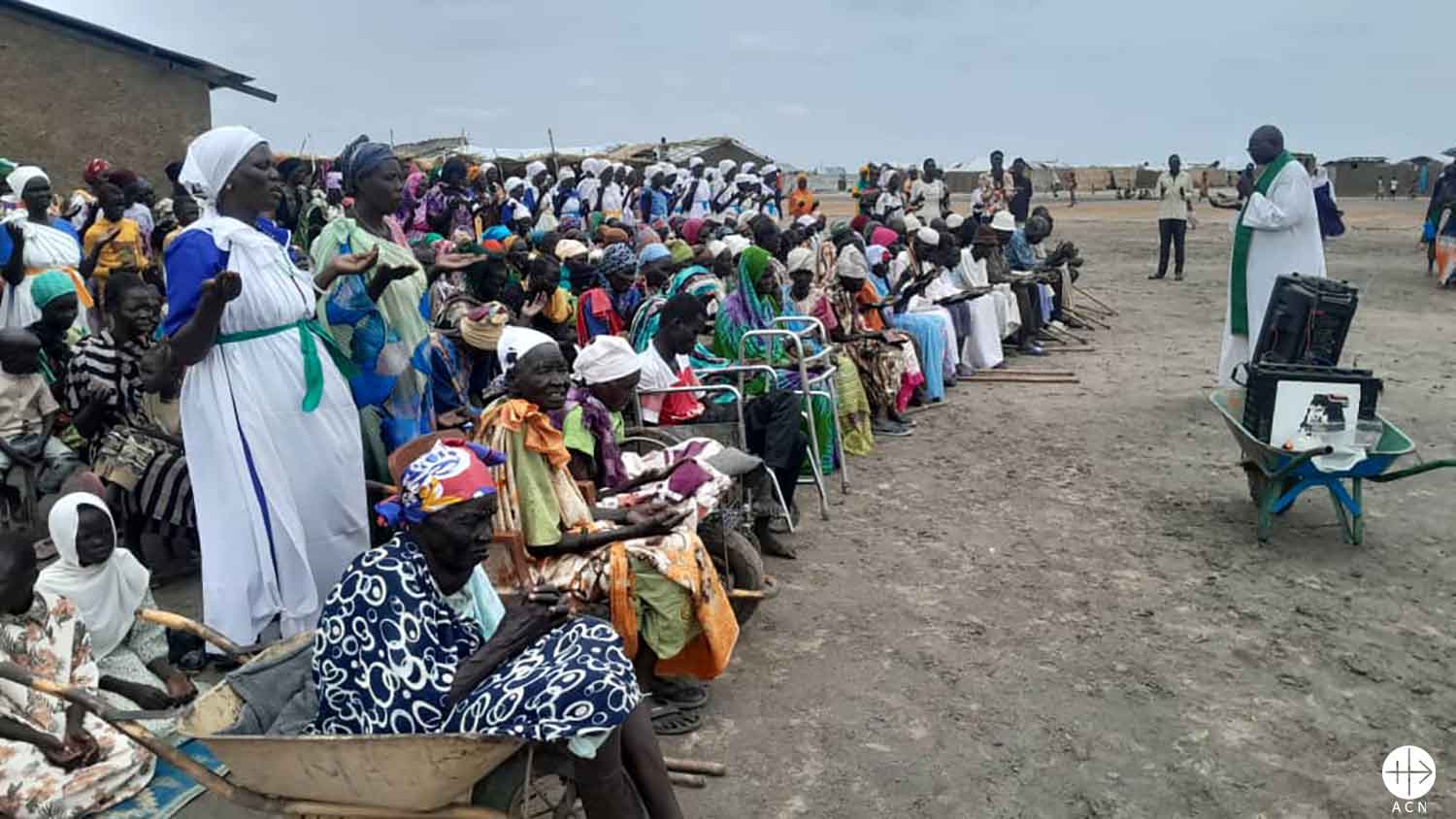
“Many teachers and their families had to move from place to place, there are even people who fled to South Sudan, people who were almost graduating and suddenly found themselves without work and without a future. Some teachers were killed; one was captured and tortured. It was a tragic story. He was going to get married, he could have been a headmaster, and instead he suffered a slow death.”
“Another teacher, a widow, was unable to leave Khartoum because she had to care for her elderly mother. The Rapid Support Forces, a paramilitary group, wanted to steal her car, and came to her house repeatedly. She told them they could just take it, but they wouldn’t leave her alone.”
“One day they took her inside and told her they were going to kill her. She replied ‘Fine, do what you must, but remember, he who lives by the sword will die by the sword’. Startled, they asked what she meant, and she explained: ‘It’s from the Gospel, don’t you know?’ and they fled.”
“She recounted the episode calmly but added: ‘God’s Word is powerful’. The next day they returned and asked for forgiveness.”
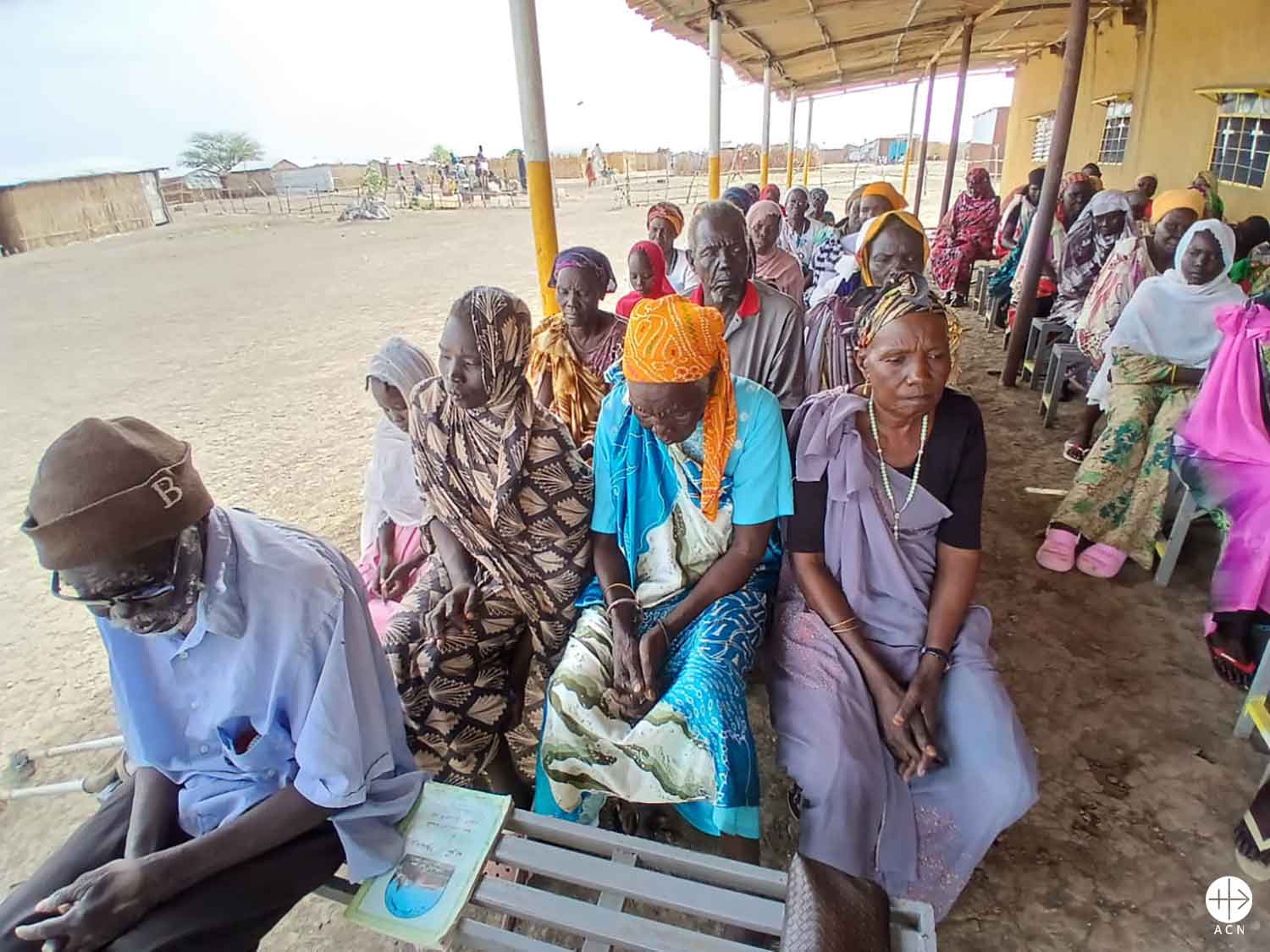
These stories, and others, show how “the war can bring out the worst in a person, but we also see many examples of Good Samaritans,” Fr Diego explains.
The community “needs pastors”, he says, which is why his main request of ACN is for more prayer. “The missionaries depend on the prayers of friends and strangers. ACN is giving us a lot of support in our effort to rebuild this community, but there is still much to do.”
Aid to the Church in Need prays for the Christians of Sudan and has carried out several projects to support the Church in its mission throughout the country. At present, 15 projects of the pontifical foundation are underway in Sudanese territory.

Recommended