Nepal: A sturdy vehicle for the Holy Cross Sisters
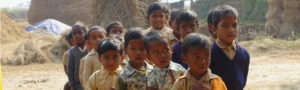
[vc_row][vc_column][vc_column_text]It is 10 years now since the sisters of the congregation of the Daughters of the Holy Cross first began their apostolate in East Nepal. They are helping to give schooling to children from the poorest families, and at the same time they have established residential hostels, so that the children from distant villages can also attend school. Many of these children have a three-hour cycle ride ahead of them when they return home to their families at the beginning of the school holidays. If they did not have the opportunity to stay in these Church-run boarding houses, they would not be able to attend school at all.
The sisters also offer sewing courses for the womenfolk, who generally speaking have had no opportunity of a school education. At the same time they teach these women how to put a little money by in savings, so that in the event of emergencies – for example if a family member should have to go to hospital or if there is a wedding in the family – they will not have to get into debt by borrowing from the big local landowners, who then demand exorbitant rates of interest which these impoverished people are unable to pay – with the result that they then become trapped in a cycle of debt dependency. Most of these poor families have to live from hand to mouth, and many of them can only find temporary work as seasonal labourers on the tea plantations and rice fields of the big landowners.
The sisters also run mobile health clinics and provide medical care for the people in the remote mountain villages. Every time the sisters visit the villages they are greeted by crowds of sick people, waiting hopefully. Those they cannot treat on the spot the sisters transport to the nearest available clinic.
Yet another role sisters play is that of teaching catechism classes in the parish. They also work with young people and visit the families in their homes, especially in October and May, when they pray the Rosary together with them.
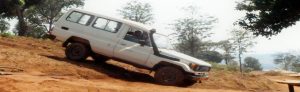
The biggest problem facing the sisters, however, is the fact they have no vehicle of their own. Every time they have to transport the sick, they have to borrow a vehicle. And they absolutely need a vehicle in order to be able to reach their new mission station in Korobari, which is 55 miles (90 km) away. There are two buses daily, but after 1.30 p.m. there is no public transport available. The only means of transport after that is by bicycle or by ox-drawn cart. So the sick have to wait till the next day, when the bus comes again. The sisters also have to transport various kinds of materials, since they have recently opened a school here. It is no more than a simple bamboo hut, but the children learning there are the very first generation to have ever been able to benefit from formal schooling.
Not surprisingly, the sisters appealed for help so that they could tackle all these many different tasks. A vehicle would help their work enormously. But it needed to be a robust and sturdy vehicle, capable of driving off-road, since the road conditions are in any case very poor. ACN was happy to help them with 33,000 Euros for a suitable vehicle.[/vc_column_text][/vc_column][/vc_row]

Recommended