“Arnona” tax tests the rights of Churches in Jerusalem
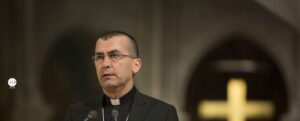
Israel’s municipal property tax, known as “Arnona”, has become the centre of a new standoff between the Churches and the municipality of Jerusalem. Christian leaders fear that challenging the exemptions enjoyed by certain ecclesiastical properties could compromise their religious, educational and social activities. In a conversation with Aid to the Church in Need International (ACN), Bishop William Shomali, Auxiliary Bishop of the Latin Patriarchate of Jerusalem, examines the stakes involved in this issue and pleads for a compromise that preserves the historical exemptions of Christian Churches.
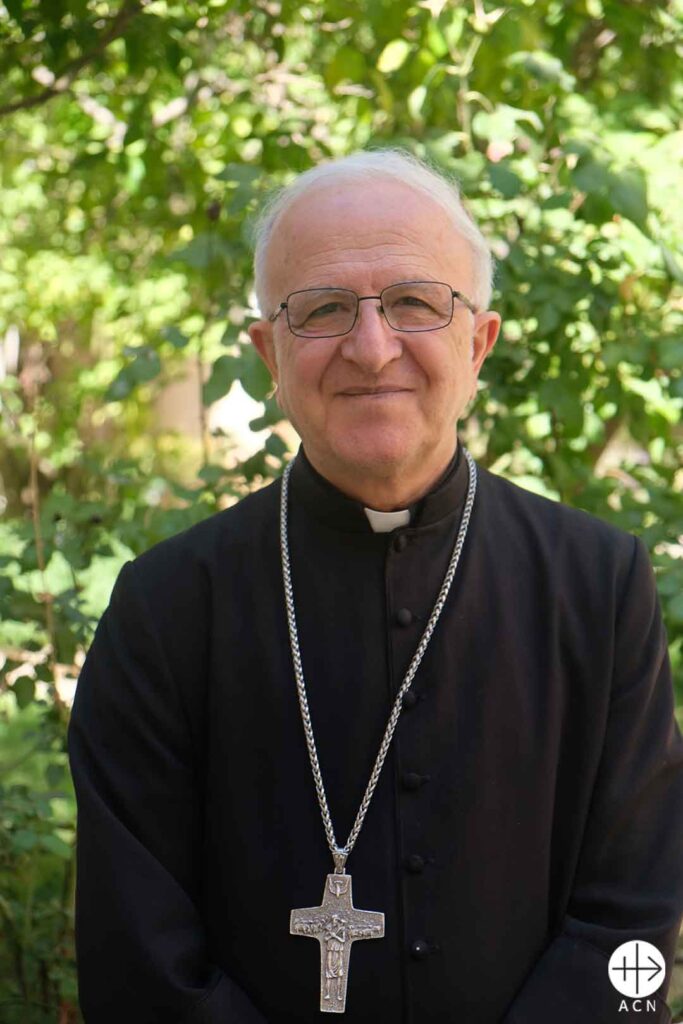
The Palestinian Authority announced on 27 June 2026 that Mahmoud Abbas had written to Pope Leo XIV and several international leaders to denounce the planned taxation of ecclesiastical properties in Jerusalem under the “Arnona”. What is your view of this initiative? Can it help protect the historical rights of the Churches?
There are two reasons why President Mahmoud Abbas is supporting the position of the Churches against the project to tax ecclesiastical properties in East Jerusalem. On the one hand, the Palestinian Authority considers East Jerusalem to be occupied territory and believes that Israel does not have the right to impose taxes on ecclesiastical properties there. On the other hand, the President wishes to preserve the historical rights enjoyed by the Churches, notably under the Mytilene Agreements (1901), which form part of a series of agreements between the Ottoman Empire and France more than a hundred years ago. These agreements helped to consolidate the tax exemptions enjoyed by French churches and establishments in the Holy Land. [Editor’s note: The dispute over the Arnona is now part of a broader framework, covering all ecclesiastical institutions in Jerusalem, and not only those establishments historically linked to the consular regimes mentioned above.]
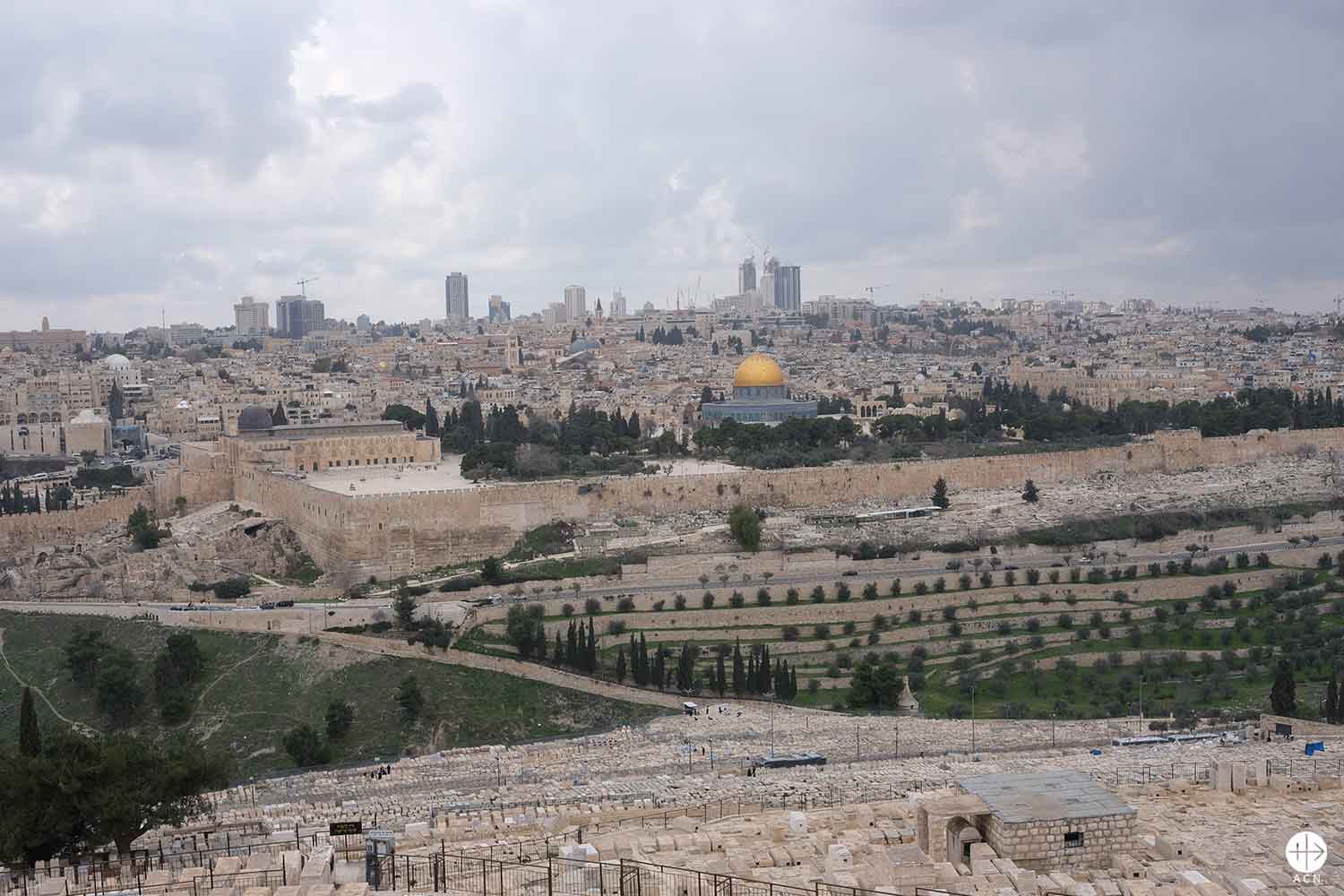
They were respected under the British Mandate and even by Israel in the years following independence, in 1948, and have never been officially repealed. The Palestinian President’s letter is therefore an important reminder of this historical and legal issue. It helps to bring the subject back to the forefront of international attention, even if it does not, on its own, possess the necessary force to impose an immediate solution.
In concrete terms, what would be the consequences for the Churches if the municipality of Jerusalem fully applied the “Arnona” tax to buildings that are currently exempt?
A distinction must be made between for profit activities, such as certain guesthouses for pilgrims, and institutions with a strictly religious, educational or social purpose. If the municipality decided to retroactively apply the Arnona tax to for-profit activities, the amounts claimed could reach a few million euros, especially if we look back over the last thirty years, the period during which this dispute has pitted the Churches against the Israeli authorities. On the other hand, if an agreement were reached regarding for-profit activities, it is likely that the Churches would only be required to pay the tax in the future, without retroactive effect. As for schools, hospitals, social centres and purely religious institutions, the Churches hope that they will continue to benefit from traditional exemptions because of their educational, charitable and spiritual mission.
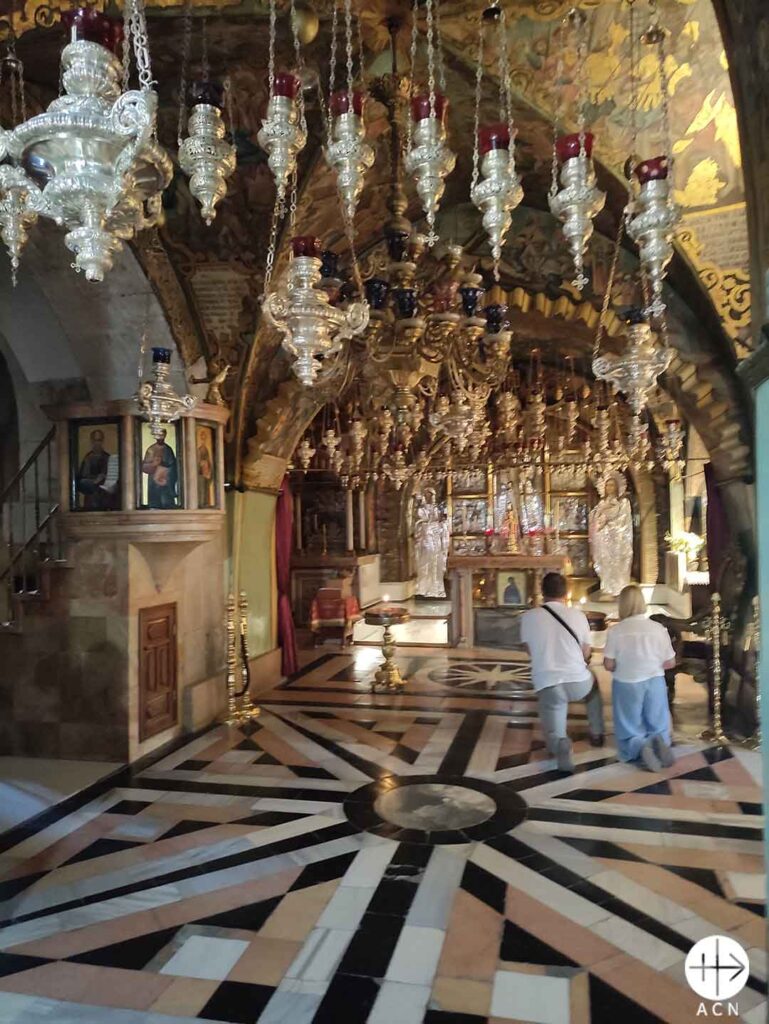
This controversy recalls the 2018 crisis, when the heads of Churches closed the doors of the Holy Sepulchre to protest against a similar project. Do you fear that this new issue marks a further step in the pressure exerted on Christian institutions in Jerusalem, or do you think a compromise is possible?
We hope that a compromise remains possible. This could consist of having clearly for-profit activities contribute to the municipal charges from which they benefit, while preserving the exemptions granted to places of worship, parish halls, cemeteries, and religious, educational and charitable institutions. The main challenge is to define precisely what constitutes a commercial activity and what belongs to the pastoral, social or religious mission of the Churches. It is on this distinction that a balanced and acceptable solution for all parties could rest. [Editorial note: With more than 80% of pilgrims being Christian, churches and Christians make a significant contribution to the Israeli economy while at the same time funding numerous social and educational services open to all.]
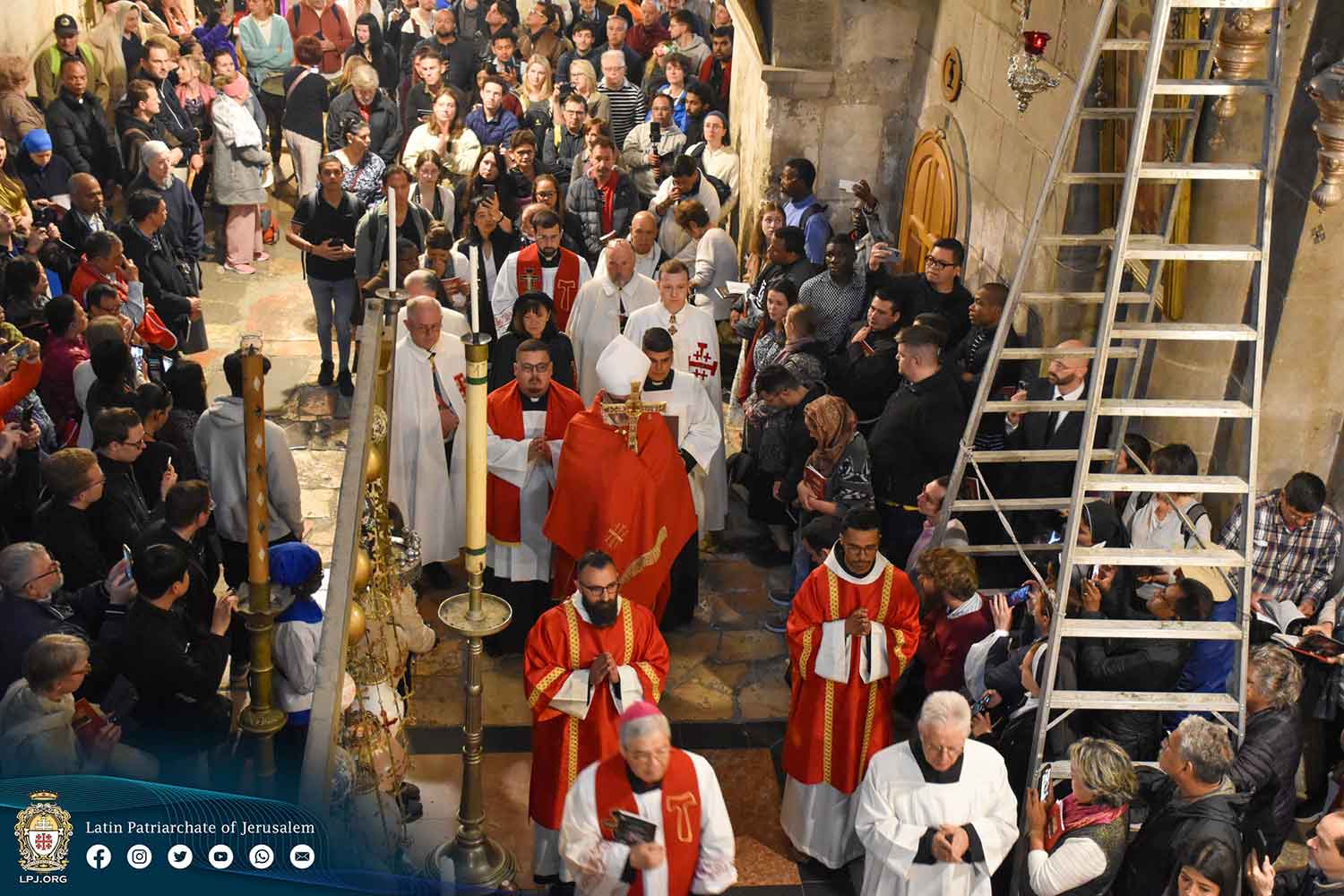
In the particularly difficult regional context that the Holy Land is going through today, what message would you like to send to ACN’s benefactors and, more broadly, to all those who support Christian communities through their prayers, solidarity and generosity?
We are deeply grateful to ACN and to its generous donors. Their solidarity allows us to maintain our institutions, to support the life of our parishes and to pursue our pastoral activities. Thanks to their help, we can also support the most vulnerable Christian families, who are currently going through a particularly difficult period due to the war, the economic crisis and the lack of jobs. We thank them from the bottom of our hearts for their faithfulness, their prayers and their generosity. Their spiritual and material closeness is a sign of hope for the Christians of the Holy Land and helps them to remain in the land where Christianity was born.

Recommended