Beatification of Patriarch Hoyek is a sign of hope for Lebanon
On 25 July, in Lebanon, the Maronite Church will celebrate the beatification of Patriarch Elias Hoyek (1843-1931), the father of “Greater Lebanon” and founder of the Maronite Sisters of the Holy Family, with whom Aid to the Church in Need (ACN) has several projects.
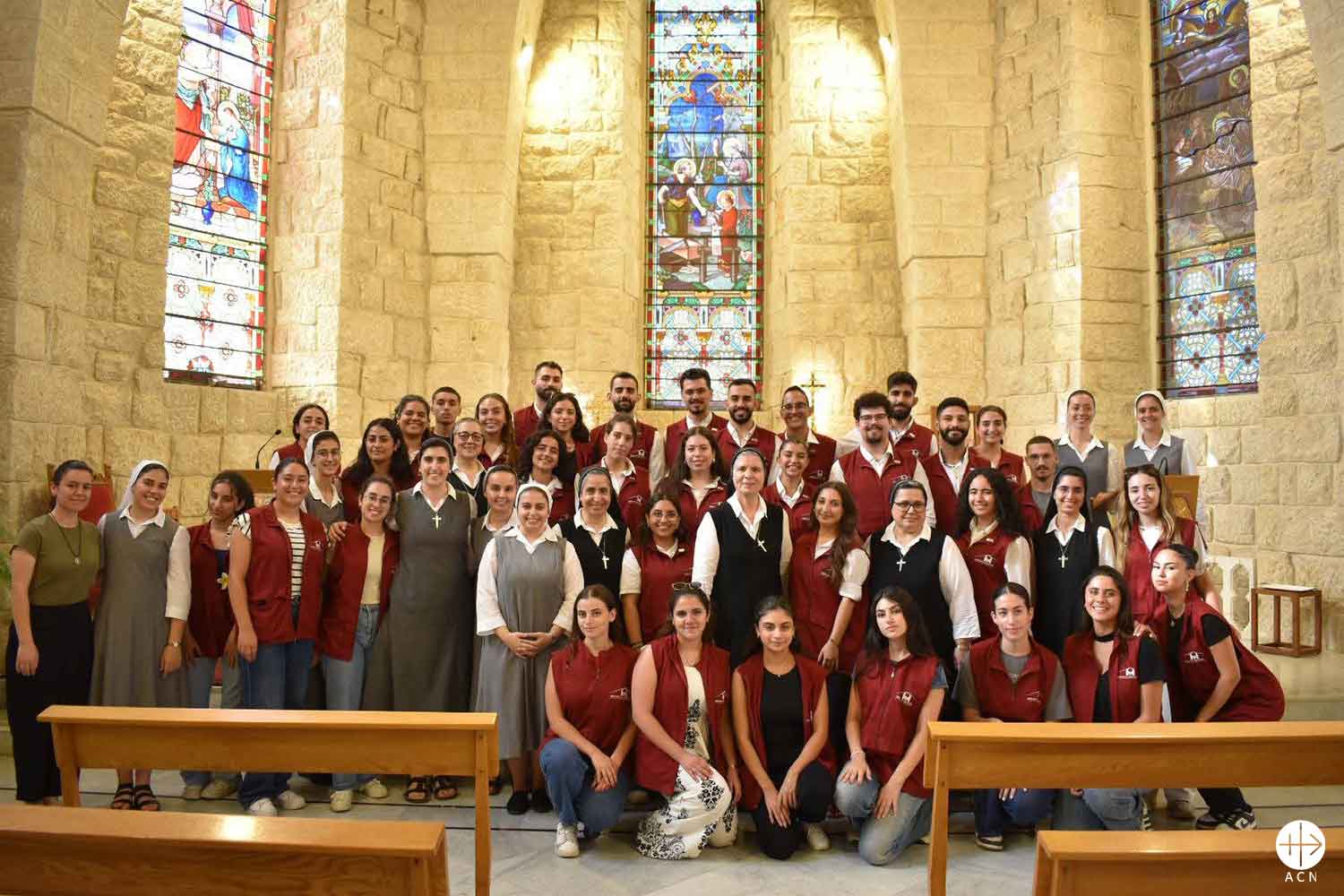
On Saturday, 25 July, thousands of faithful will gather in Dimane, the summer residence of the Maronite Patriarch, to celebrate the beatification of Elias Hoyek, founder of the Maronite Sisters of the Holy Family, in 1895, and Patriarch of the Maronite Church from 1898 to 1931. Hoyek continues to be one of the most important figures in the modern history of Lebanon.
One of the great defenders of the State of Greater Lebanon at the Paris Peace Conference, in 1919, he is also remembered as a man of prayer, with a deep devotion to the Blessed Sacrament, to the Sacred Heart of Jesus and to the Virgin Mary. This inner life was the source of the strength of his pastoral, social and political commitment.
His love for Lebanon went further than any specific sect or religious community. In life he was not known simply as the Maronite Patriarch, but as the “Patriarch of Lebanon”, and worked for the good of the whole country, which is especially important in a country with 18 official religions, including 12 Christian confessions, four Muslim, Druze and Jews.
The Patriarch’s vision for Lebanon bears special resonance in the miracle which was recognised for his beatification, since the person who was cured is from the Druze community.
Sister Noura Khoury-Hanna, secretary general of the Maronite Sisters of the Holy Family, says this symbolises the heart of his legacy: “He defended the freedom and dignity of everybody, regardless of their religious beliefs. He is once again reminding us that God’s paternity makes us sisters and brothers, a true family.”
Evangelisation through education
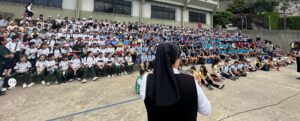
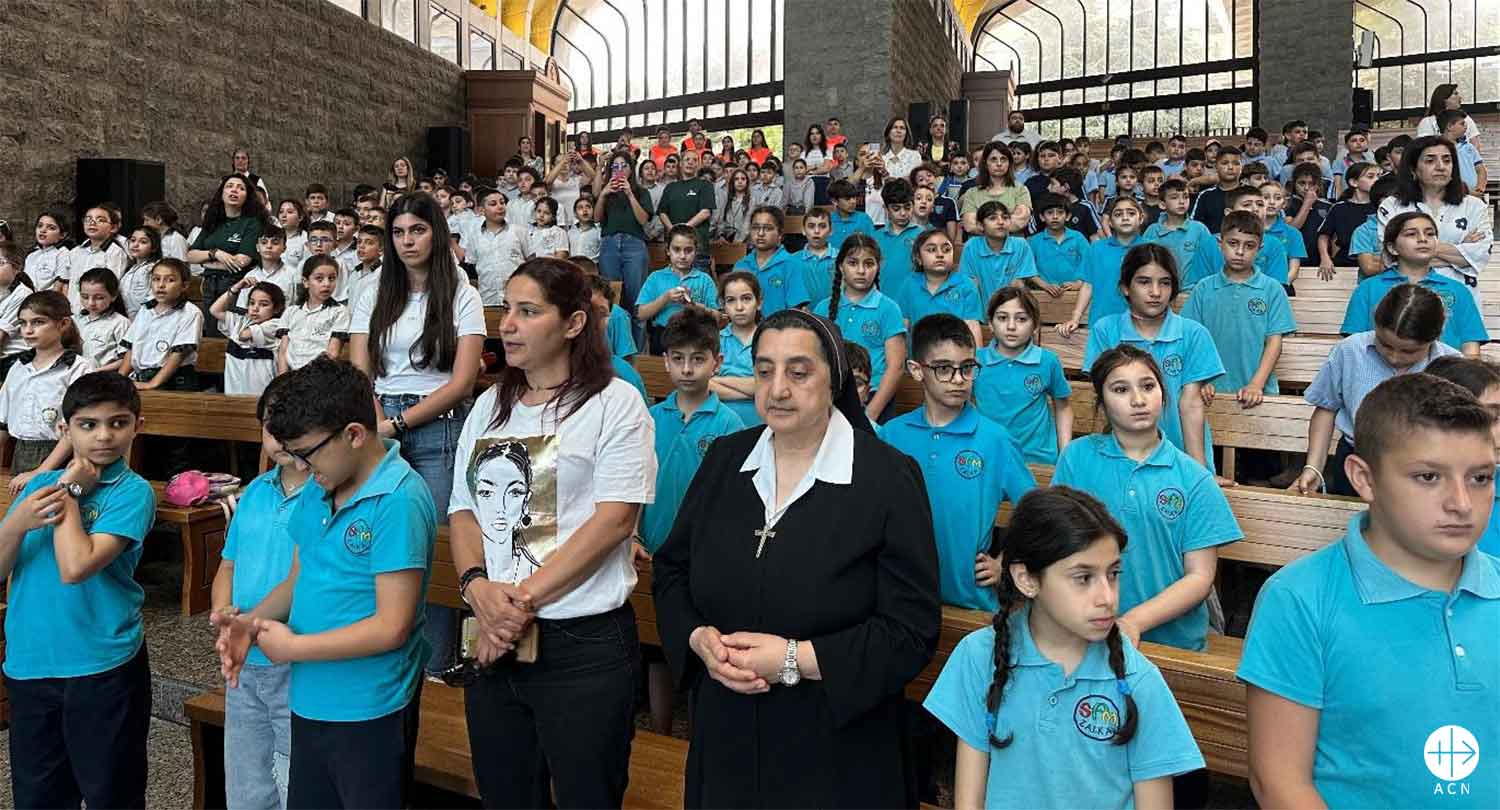
Founded 130 years ago, the 170 religious sisters and five novices of the Maronite Sisters continue to carry on the work of their founder, serving families, the youth and parishes in a Lebanon which is going through a deep crisis. Currently they manage 26 schools in Lebanon, located in peripheral and underprivileged regions, as well as orphanages, a hospital and a home for the elderly. They also have houses in Syria, Australia, the USA and Canada.
Patriarch Hoyek believed that the future of Lebanon lay in education, which he saw not only as the simple transmission of knowledge, as he wrote to his religious sisters: “Education is a way to introduce people to Jesus and help them come to love Him,” Sister Noura tells ACN.
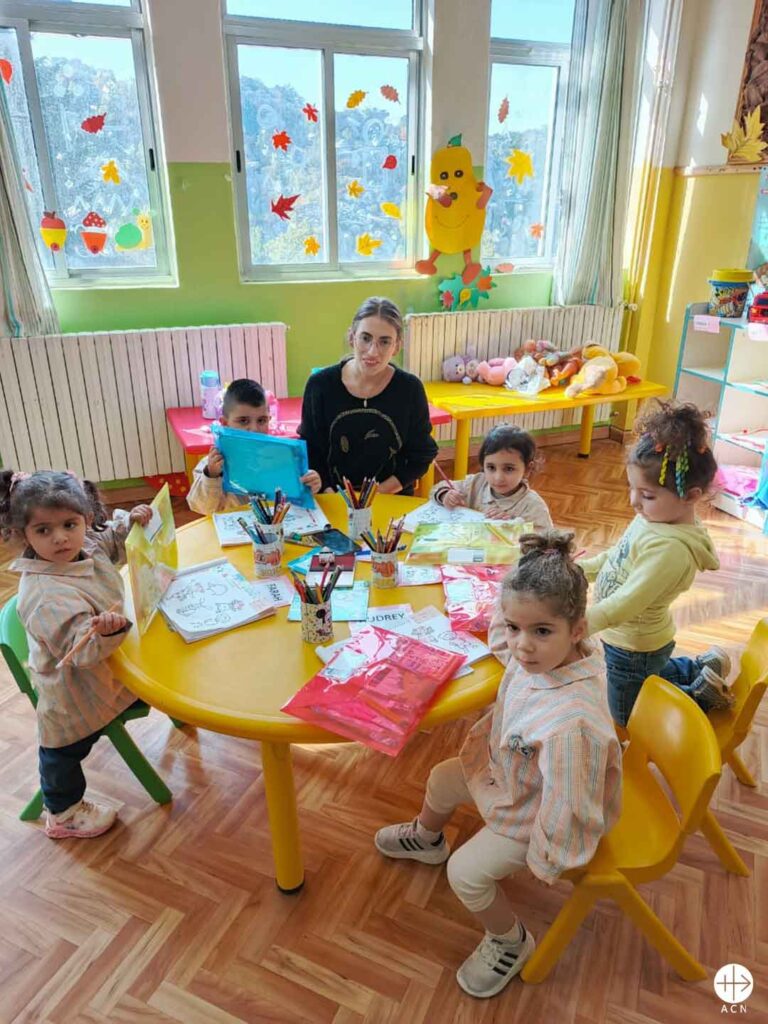
This mission continues to be tested by the crises that Lebanon is going through today, and which prevent many families from paying their children’s school fees. “Because of the devastating crises and wars which affect Lebanon, every day we struggle on the ground to keep our schools open, to provide material and medical emergency aid to vulnerable families and to keep Christian hope alive in the land of our ancestors,” says sister Noura Khoury-Hanna. “Our congregation finds in Christian aid organisations, such as ACN, a fraternal support that goes far beyond material aid, actively preserving the Christian presence and reviving the faith in Lebanon and across the region,” she adds.
In a country marked by successive crises, this beatification is a reminder of how holiness can become a source of hope for an entire people. Patriarch Hoyek’s legacy continues to bear fruit through those who carry on his work.
With her eyes set on next Saturday’s celebration, which will be attended by ACN staff in Lebanon, Sister Noura leaves a special message to pontifical foundation’s benefactors. Echoing the words of Saint John Paul II, who described Lebanon as a message of coexistence and freedom, Sister Noura said: “The message of Lebanon is once more a message of hope: ‘God provides’. Despite all the difficulties and wars that Lebanon is going through, God continues to be present, God provides and our trust is placed in Divine Providence.”
Finally, she added, “we thank you from the bottom of our heart for your support, past and present, which contributes to the resilience of our mission and to keeping us in the land of our ancestors, the land of the cedars and the land of Hoyek, Charbel, Rafqa, Hardini and a host of saints.”

Recommended