South Sudan: The bishop who brought his diocese back to life
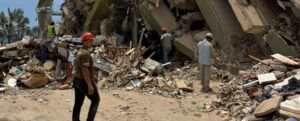
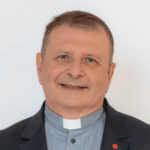
When Bishop Stephen Nyodho was appointed for the Diocese of Malakal everything had been destroyed. No buildings, no services, and no flock. With courage and leading by example, he began to rebuild: First trust, and then infrastructure.
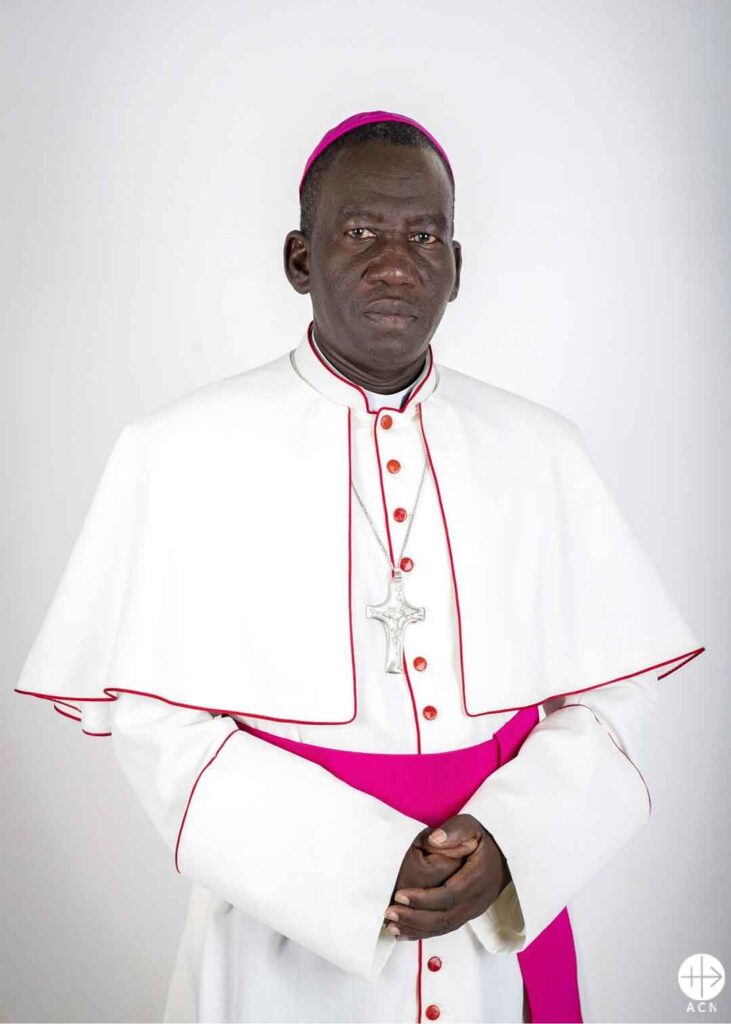
The city of Malakal, in South Sudan, used to be home to dozens of thousands of people before the civil war began in 2013, shortly after the priest Stephen Nyodho moved to Rome for his doctorate.
When Pope Francis named him Bishop of Malakal, in 2019, he made a point of being ordained in his hometown. But nothing had prepared him for the devastation he would find.
“When I went back, there was nothing, not even a chair or table, nothing. I had to start from zero. Many churches, many chapels, including all the other institutions of the Church had been destroyed, nothing remained. When I first saw it, I cried, because this was the town where I was born, where I grew up. But my house, my school, everything was gone,” he said, during a visit to the international headquarters of Aid to the Church in Need (ACN), in Germany.
Only around one thousand people remained in the city. The rest of the population had dispersed, including around 50 thousand people living in the UN camps nearby.
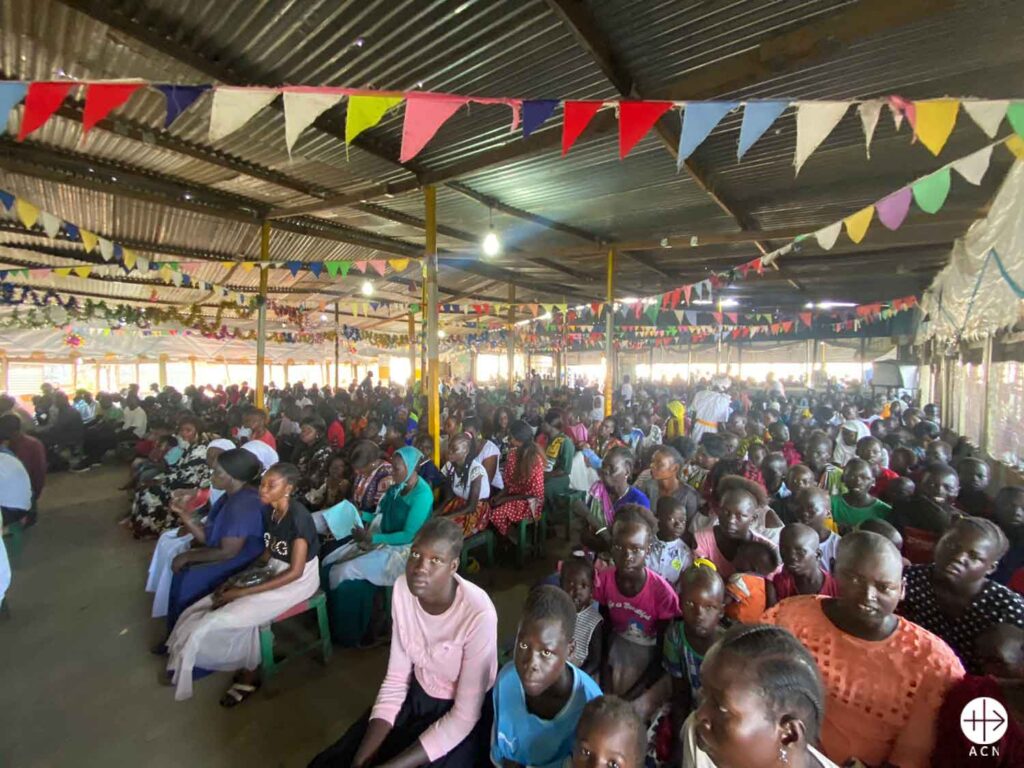
The news that a bishop was being installed in the diocese again attracted attention. People came to see. “My ordination brought thousands of people back to see Malakal again. From the camps, from Khartoum, capital of the neighbor Sudan, they came back for the first time to see Malakal after the destruction.” Bishop Stephen explains, adding, however, that “even the bishops who went there for the episcopal ordination returned to Juba, capital of Sudan, on the same day, because there was no place to stay.”
Yet Bishop Stephen remained, and to the surprise of many, life began to return to Malakal. “The fact I stayed in Malakal brought hope. Now there are more than 20,000 people. Almost all the schools are open, and they are full of children. Life is coming back!”
While a tentative peace took hold in South Sudan, a civil war erupted across the border, in Sudan, in 2023 . It would have been understandable if the Church had decided that it had enough problems to deal with at home, but when Bishop Stephen heard that crowds were gathering on the other side of the White Nile, hoping to get to safety, he told ACN that he did not hesitate. “I got a call from my staff, they said the situation was tough, that there are thousands of people at the bank of the river who wanted to come to Malakal. They were stranded, empty-handed and exhausted from their escape from Khartoum.”
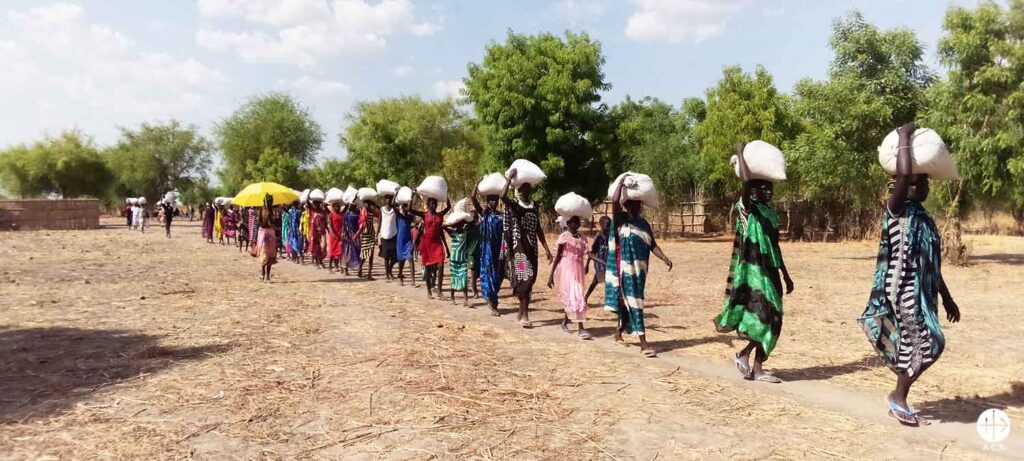
“I said there is no problem, and I arranged to send our big boat to fetch the people and bring them to Malakal. We brough more than 10 thousand people. The diocese was the first to bring over displaced, and is still feeding many of them today,” the bishop explains to ACN.
The priority for the bishop now is rebuilding. “When I came to Malakal, I said I want to rebuild social coexistence first, because our people were divided during the war, killing themselves, destroying themselves. It was the local people who destroyed the place. So how can you bring them back again? Because we can rebuild the town, we can rebuild the roads, but they can fight again and destroy it. What is important is peace building. That is why I decided that the radio should be opened first. It is the only radio in the town, and it has changed the lives of thousands of people.”
“Now the situation is a bit calm, and we want to rebuild other things, like houses for the priests, renovating some churches, some schools, and also putting up other new places.”
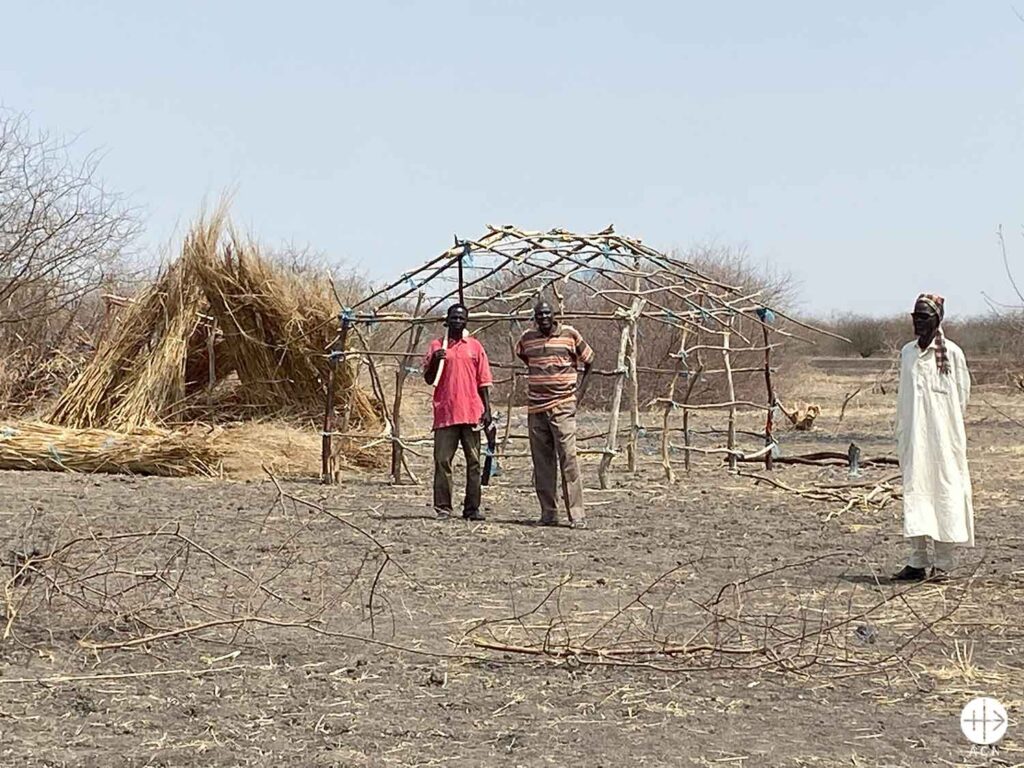
But rebuilding has its challenges. Bishop Stephen explains that Malakal is one of the most expensive places for construction in the world. A bag of cement, which in Juba costs 15 US Dollars, costs 50 in Malakal, because of the expense of getting the material in by road or by boat.
Which is why Bishop Stephen Nyodho is so grateful to the benefactors who allow ACN to support projects in Malakal. “Without the support that you give, the lives of thousands of people in the Diocese of Malakal and different parts of South Sudan, would have been at stake. God will bless your generosity. There are thousands of people who are still suffering in South Sudan, and in the diocese of Malakal, and we continue to urge you, please stand with us, walk with us in this journey of suffering.”
“Don’t leave us alone. We still depend on you. Thank you.”
Recommended