From forgiveness to uncertainty: the story of a priest in southern Lebanon
Fr Youssef Semaan watches on as the conflict in Lebanon empties his village and threatens decades of coexistence between Christians and Muslims.
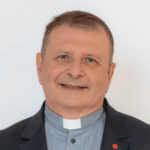
The war in southern Lebanon is damaging more than just infrastructure, as it causes profound changes to the social relations and human fabric of communities where Christians and Muslims live side by side, according to Fr Youssef Semaan, the Maronite parish priest of Kfour, in an interview with international charity Aid to the Church in Need (ACN).
Fr Youssef Semaan serves in a village in southern Lebanon where Christians and Muslims have coexisted for decades. His own story is closely intertwined with the violence that has marked the region, as his own father Khalil Semaan, who was also a Maronite priest – married men can be ordained in the Maronite Catholic Church – was kidnapped in Kfour on 2 December 1987 during the Lebanese civil war, while on his way to mass. He died following several years in captivity.
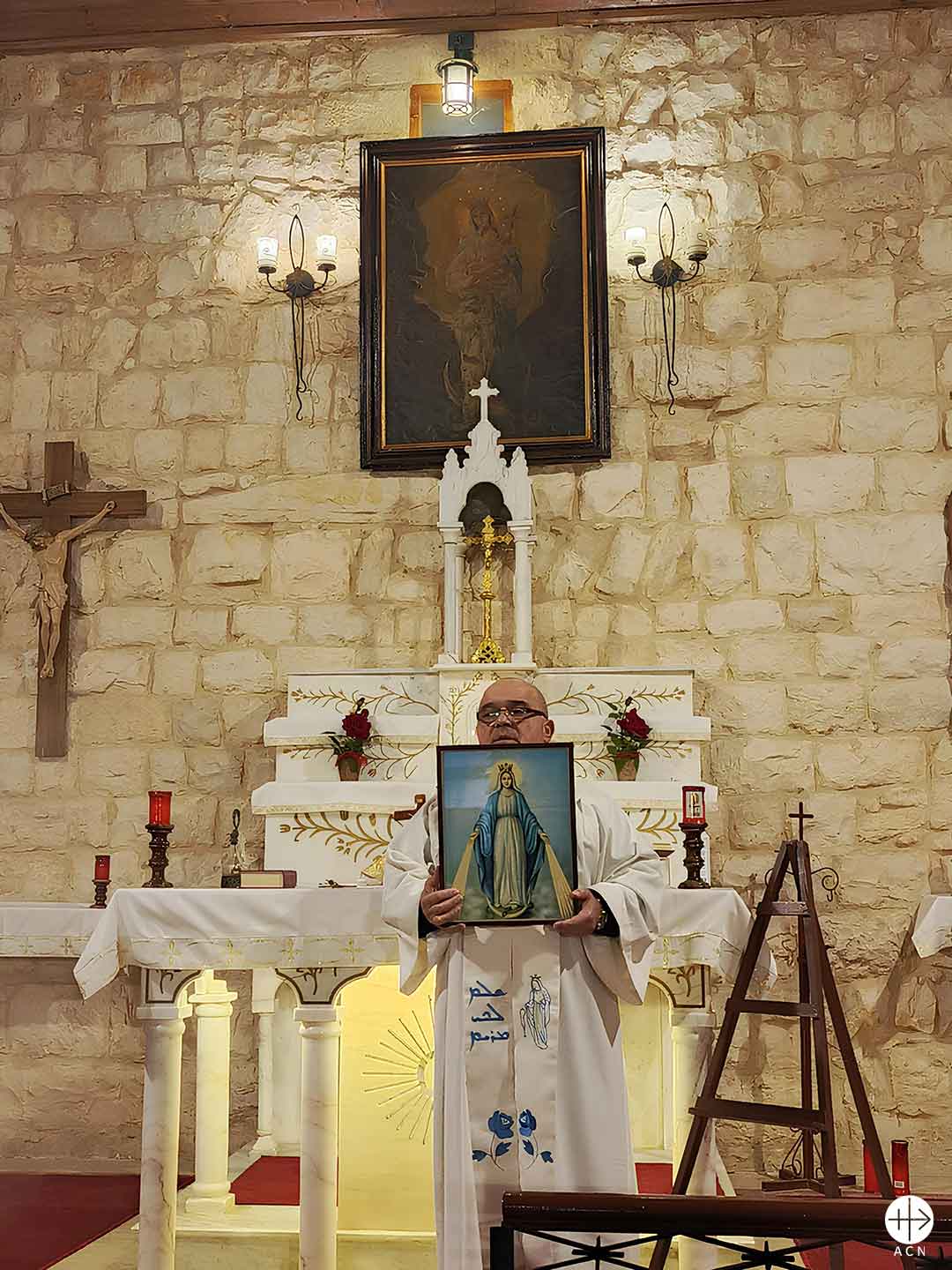
His body was returned to his family in 1991. The kidnapping took place at a time Lebanon was being torn apart by several armed groups operating in the south of the country. But the incident did not scare Youssef away from his vocation, and he decided to follow in his father’s footsteps, becoming a priest to serve the same community, in a sign of loyalty and faith, with the aim of, in his own words, “bearing witness to forgiveness”.
“Many years ago, I decided to return to the village to bear witness to the fact that forgiveness is possible. But the war is slowly destroying trust. Coexistence is getting increasingly difficult,” says the parish priest of Kfour, in the district of Nabatieh.
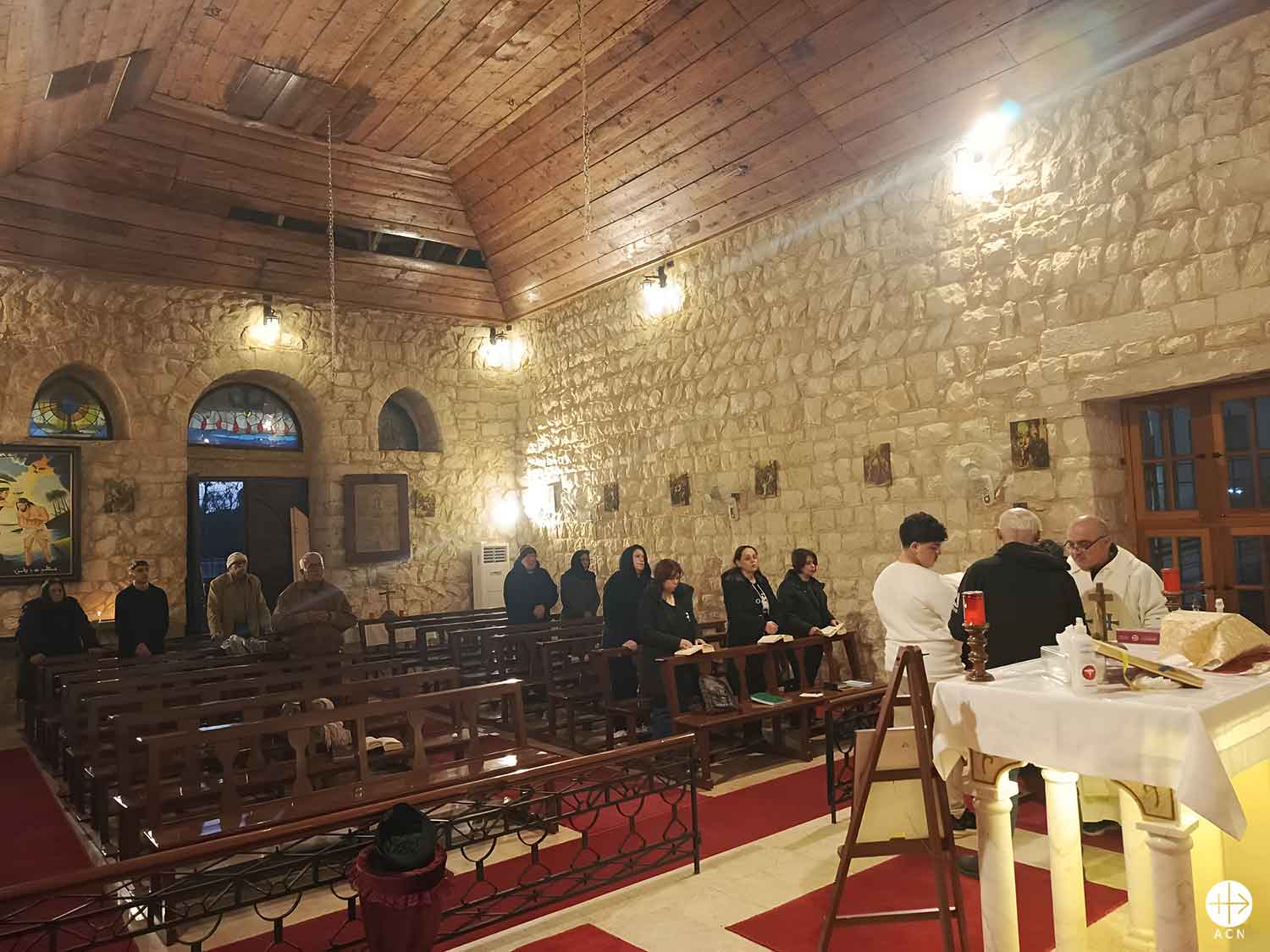
The Christian community of Kfour, which is surrounded by a Shia majority, has decreased drastically. Since 2 March 2026, when the conflict took a more drastic turn following the firing of rockets by Hezbollah from Lebanon into the north of Israel, which led to Israeli retaliation bombings on southern Lebanon and the area of Beirut, the Christian population has dropped from around 120 to about a dozen. The rest fled to Beirut and Sidon, leaving behind homes, land and farms.
“Some didn’t have the resources to leave. Others couldn’t bring themselves to abandon their cattle. One of our parishioners continues to care for about forty cows” the priest tells ACN. Fr Youssef himself had to leave Kfour for safety reasons, but has since managed to return on two occasions and keeps in touch with the rest of the families on a daily basis, through messages.
Three parishioners’ homes destroyed
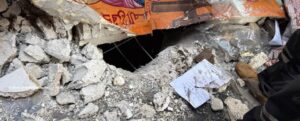
Most of the houses in the village remain standing, but many have suffered damage and several regions have been bombed. The priest’s home has also been hit, and on the evening of 3 to 4 June an air raid destroyed three houses belonging to families from the parish.
“Every week is more dangerous than the last. The situation has become unbearable”, says Fr Semaan. Over the past few days, the region of Nabatieh has seen an increase in the intensity of Israeli military operations. Fighting around the fortress of Beaufort resumed after several days of violence, increasing pressure on neighbouring locations and causing more people to flee.
The parish priest of Kfour says that the families in his community face a dramatic choice. “Stay and risk their lives, or abandon our land without any guarantee that we will every get our houses or our goods back,” he explains to ACN.
Nonetheless, he refuses to give in to despair. “We still have hope. But hope itself is not enough. It has to be based on solid foundations that allow us to rebuild and go on living. We are human after all.”

Recommended