MOZAMBIQUE: Bishop of Quelimane shot dead at residence
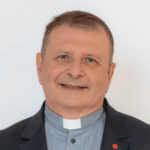
The Bishop Osório Cítora Afonso, of Quelimane, Mozambique, was shot dead in the early hours of this morning, June 6, and his body was found in a corridor of the episcopal residence. The perpetrator of the crime remains unknown.
In an initial official statement sent to Aid to the Church in Need (ACN), the President of the Episcopal Conference of Mozambique, Inácio Saure, said that the prelate was found “lifeless and in strange circumstances that have yet to be clarified,” and appealed for “the serenity of faith and fraternal solidarity” from all in the face of this “sad event.”
At this stage, few details are known about the crime. It is understood only that the bishop, a Consolata missionary, was shot in the chest, near the heart, and that his body was found in a corridor of the residence.
The news has left the Church in Mozambique “in a state of shock,” said Archbishop Inácio Saure, of Nampula, in an initial official statement to ACN Portugal. In the statement, he appealed for “the serenity of faith and fraternal solidarity” of the entire Catholic community and the Mozambican people.
The Presidency of the Republic of Mozambique also issued a statement expressing its “deep sorrow and consternation” at the news of the Bishop’s death. President Daniel Chapo described the loss as “irreparable” for Mozambican society and for the Christian community, noting that Bishop Osório had “distinguished himself throughout his life by his humility, pastoral dedication, and his preaching of the values of peace and reconciliation.”
In April of this year, Bishop Osório had also been appointed Apostolic Administrator of the Archdiocese of Beira, replacing Archbishop Cláudio Zunna, who had resigned for health reasons.
Dark Clouds Over Mozambique
The murder of the Bishop of Quelimane adds yet another dark cloud over the Church in Mozambique, which is already grappling with terrorist violence in the north of the country, particularly in Cabo Delgado Province.
Mozambique remains a priority country for ACN, which has supported the local Church at many levels, not only through humanitarian aid, but also by promoting psychosocial support and the reconstruction of infrastructure.

Recommended