Venezuela: How desperation leads to tragedy
The diocese of Carupano is mourning the death of 27 people who drowned in the sea near Güiria

The lifeless bodies of the drowned victims are lined up on the quayside in the port city of Güiria. Lying side by side, swollen by the water, half naked, their faces deformed and partly eaten away by the fish. A macabre image of the tragedy that is afflicting Venezuela. 16 corpses were washed up on the shore by the ocean currents, over a week later. They were among the occupants of two boats which had set out on 6 December from the fishing port of Güiria, in the state of Sucre in northeast Venezuela, hoping to traverse the hundred kilometres or so separating them from Puerto España, the capital of Trinidad and Tobago.
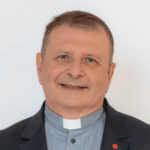
“At first they found 16 bodies, then 21, now today we have been informed that there are as many as 27. It is horrible. We still don’t know for sure how many people were on those boats. But there are bodies of children, young people, pregnant women. The people are desperate, and ready to risk an adventure that has ended in tragedy”, says Bishop Jaime Villarroel of Carúpano in a broken and weary voice, speaking to the international Catholic pastoral charity and pontifical foundation Aid to the Church in Need (ACN International).
The desperation the bishop speaks of has already led over 4.5 million Venezuelans to leave their country, in order to escape poverty and hunger. Today the levels of poverty and inequality have left the once wealthy nation of Venezuela lagging behind countries such as Chad and the Democratic Republic of the Congo.
In fact, boats set out from Güiria almost every week. The mafia running them charge 500 US Dollars a head. And they are dangerous routes, long since used by the traffickers to smuggle gasoline and drugs, and now used to traffic human beings. “We have a team of workers there, and we have a house to shelter passing migrants. We are doing a great deal there so that young people and others will not have to set out, risking their lives, and so that these tragedies will not have to happen. But sadly, we cannot stop the practice, and as a result many families from here, from our diocese and from Venezuela generally, are left mourning their loved ones”, says the Venezuelan bishop sadly.

Speaking to ACN, the bishop also accuses criminal groups in both countries of taking advantage of people in their need, and he likewise admonishes the Venezuelan authorities for not fulfilling their proper responsibilities. “It is an extremely complex and difficult situation”, he says. “Our people have exhausted themselves praying, begging, demanding that the relevant authorities do something to respond to all that has happened to these families, who are suffering so greatly. Please pray for them also”, he appeals to ACN.
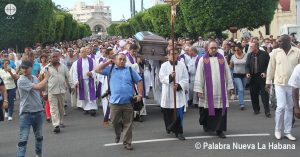
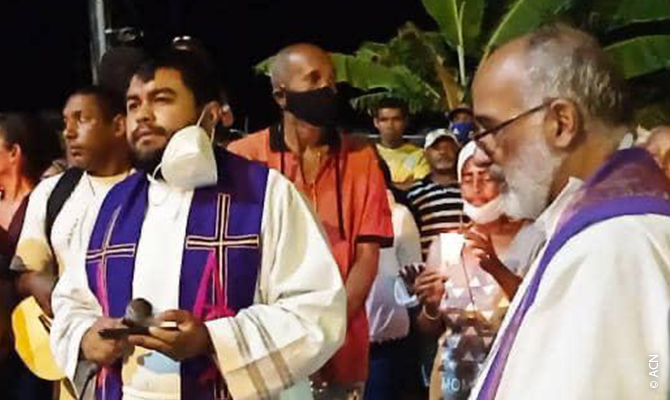
The location of the tragedy is around three hours drive from Carúpano, and is the second biggest city in the diocese. “We travelled immediately to Güiria, on Monday the 14th, in order to support the families with our presence, helping them with food, medical attention, psychological care, and then we held a religious ceremony in order to encourage and console them and plant a little seed of hope and trust in the Lord”, Bishop Jaime explains.
According to accounts by members of the victims’ families, the boats had arrived in Trinidad and Tobago and had then been forced by the authorities to turn back, without being given an opportunity to refuel. The first victim to be recovered from the water on the quayside in Güiria turned out to be the sister of a Caritas volunteer. “Her body was in an advanced state of decomposition; it was only possible to recognise by her tattoos”, Bishop Jaime Villarroel explains.

“We pray that God may have mercy on our faithful, and on all our people, that they may be able to live in dignity and find hope in the midst of such a hard and difficult situation. And we thank you and all the other international organisations for the support you are giving our people. Please do not forget us in our suffering”, Bishop Jaime concludes.

Recommended