Lebanon. “This is not a just war; it is a defeat for us all”
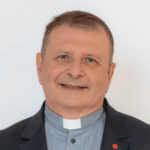
Bishop Jules Boutros, from Lebanon, tells ACN that even though the Israeli attacks are supposedly against Hezbollah, they are affecting all Lebanese.
As Israel continues to attack several sites in Lebanon, a young local bishop has told Catholic charity Aid to the Church in Need that the situation can only be described as catastrophic for the small nation.
Speaking from Beirut, Syriac Catholic Bishop Jules Boutros, 43, criticises the idea that the Israeli armed forces are only attacking sites linked to the Iranian-backed militia Hezbollah.
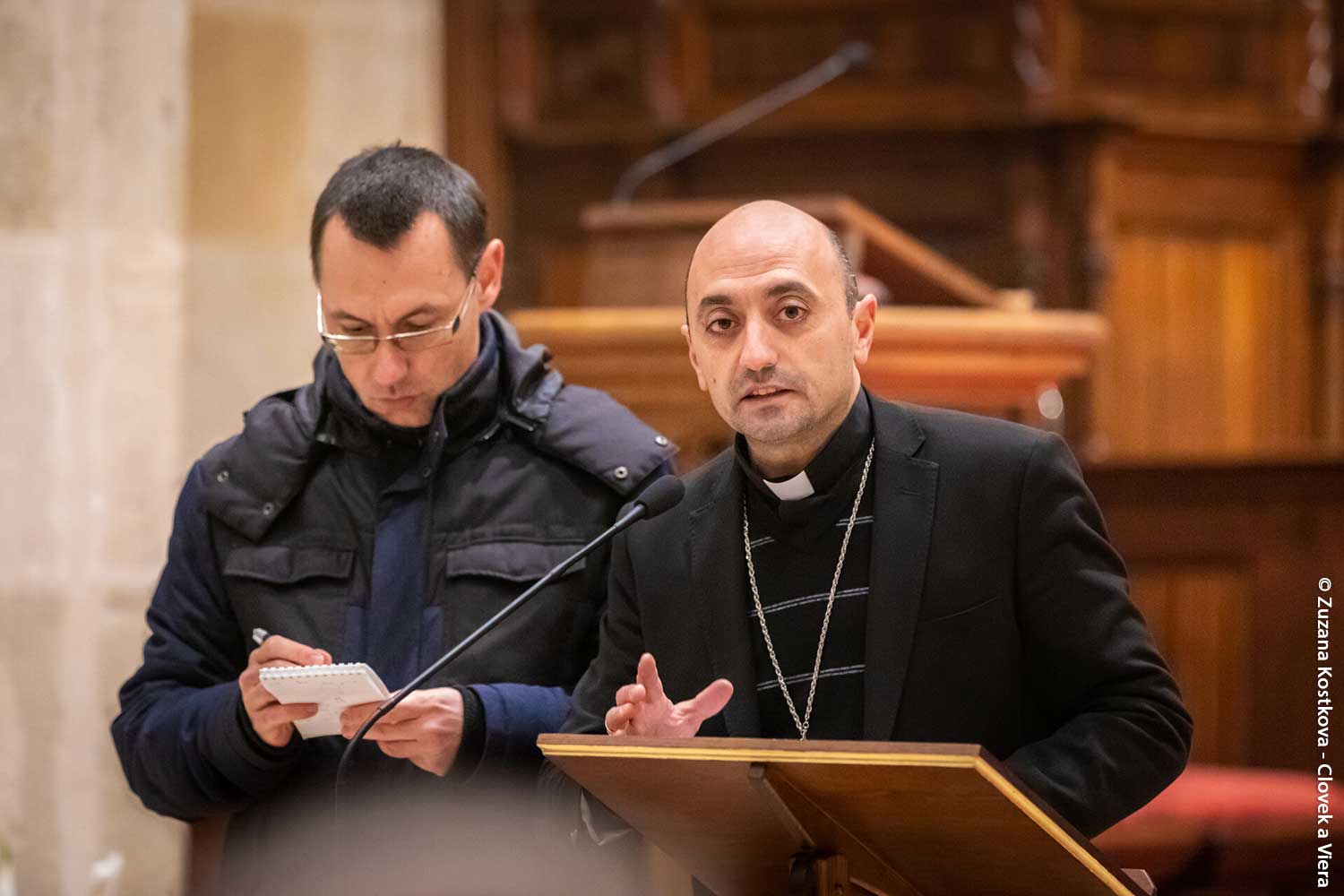
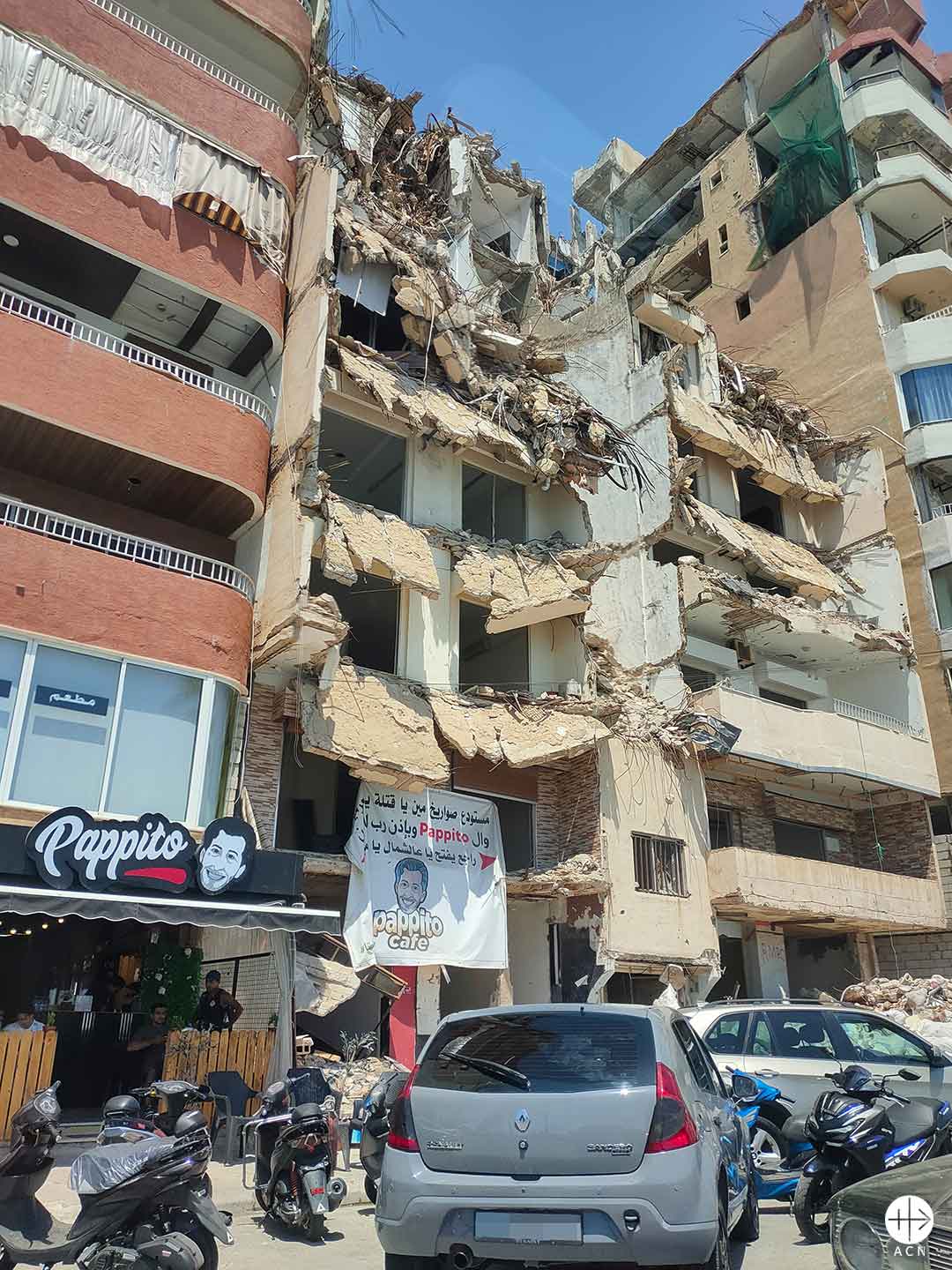
“We recently had two attacks on hotels in Beirut, one of which is in a mostly Christian neighbourhood. And of course, anybody could be staying in a hotel. I can’t know if a Hezbollah militant has rented the apartment above me, or if some Lebanese citizen rented a house and then ceded it to an Iranian person. This is a concern to any Lebanese who lives in a building with several apartments, or in a big popular neighbourhood. So the risk is everywhere.”
“Just this morning I was in the harbour area where the Holy Father celebrated mass for peace, in the presence not only of Christians but of all Lebanese, and now, after only three months, we have more than a million refugees,” he laments.
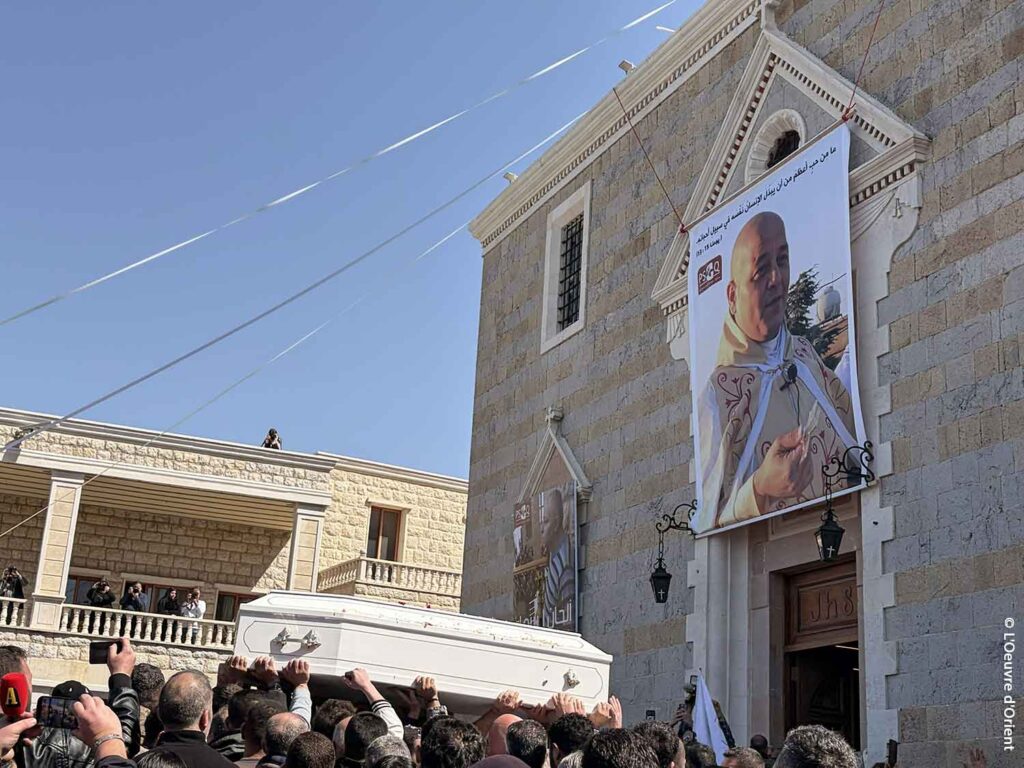
Still, the worst experiences are closer to the border with Israel. “They have attacked Christian villages in the south, and even killed a priest, Fr Pierre El-Raï. They might have been attacked because some house welcomed a Shia family, or a Hezbollah militant passed by. They attack anyone, anywhere. We can’t say there is a safe place in Lebanon.”
Much of the population in the south has fled, though some Christians have insisted on staying put. “They have emptied the entire south of Lebanon. We are talking about hundreds of villages. This affects me personally, because my family has a home there, my mother is from a Christian village. They haven’t been forced to flee until now, but it means a lot to us because all of our beautiful memories are there. The people who have left do not know if they will ever be able to return, and that is catastrophic. We are very attached to our land. Our ancestors built those homes, cared for them, planted the olive trees, and all of that is at risk,” says Bishop Jules Boutros.
Asked whether the war has caused division among different Lebanese religious communities, or if it has brought them closer together, Bishop Jules says both. “Before we never heard people from the Shia population criticize Hezbollah, but now we do. Recently the mufti of the Shia community was asked if he would open religious buildings to refugees and he said no, that this was the government’s responsibility, and this caused an outcry, especially among the Shia population, who pointed out that the Christians have opened their churches and monasteries.”
“Meanwhile the Sunni, Druze and Christian communities are united against this war,” the bishop explains. “We don’t want the war. If we have problems with Israel we should negotiate.. We don’t want to fight,” the bishop explains to ACN.
In terms of caring for the displaced, Christians, have been particularly active. Dioceses all over the country have opened the doors of their churches, monasteries and other buildings to host the internally displaced.
In many cases, they are overwhelmed, and in desperate need of aid, which varies depending on the situations. “Some need fuel for generators; some of them need psycho-spiritual support; some need washing machines to help wash the clothes of the displaced; some need televisions; some have asked us to help provide internet access; some of them ask for an oven to cook.”
There are also cases of families that have taken in relatives, and so are outside of the official aid circuit. “A priest from Tyre has the contact of about 120 families in the south, and he said the only and the best way to help them is with money, because it is too dangerous to visit in person to provide them with material aid. Even the apostolic nuncio, who recently visited the south for Fr Pierre El-Raï’s funeral, had to travel in an armed convoy, with tanks.”
ACN has been supporting the Church in Lebanon for several years, and has been closely monitoring the recent developments through its staff on the ground, so as to provide the necessary assistance. “From Lebanon we want to thank ACN for your generosity, for everything you have done to help our children, our families, especially the displaced and refugees in these times of war and fear,” Bishop Jules says, adding “but we still need more! As long as we are helping our displaced, the children, the elderly and the disabled, even the smallest offering is a lot to many.”

Recommended