“I cried tears of despair”, says priest who spent over two years in hands of jihadists
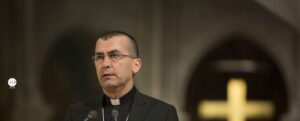
Fr Luigi Maccalli learned in captivity to forgive and pray for his enemies, following the example of Jesus. In an interview with ACN, he shared his experience.
Fr Pier Luigi Maccalli was working as a missionary in Boamanga, Niger, when he was kidnapped by armed men, on 17 September, 2018, and transported across the border into Mali. He soon realised these were not common criminals, but Islamist fundamentalists. That was the beginning of an ordeal that would change his life.
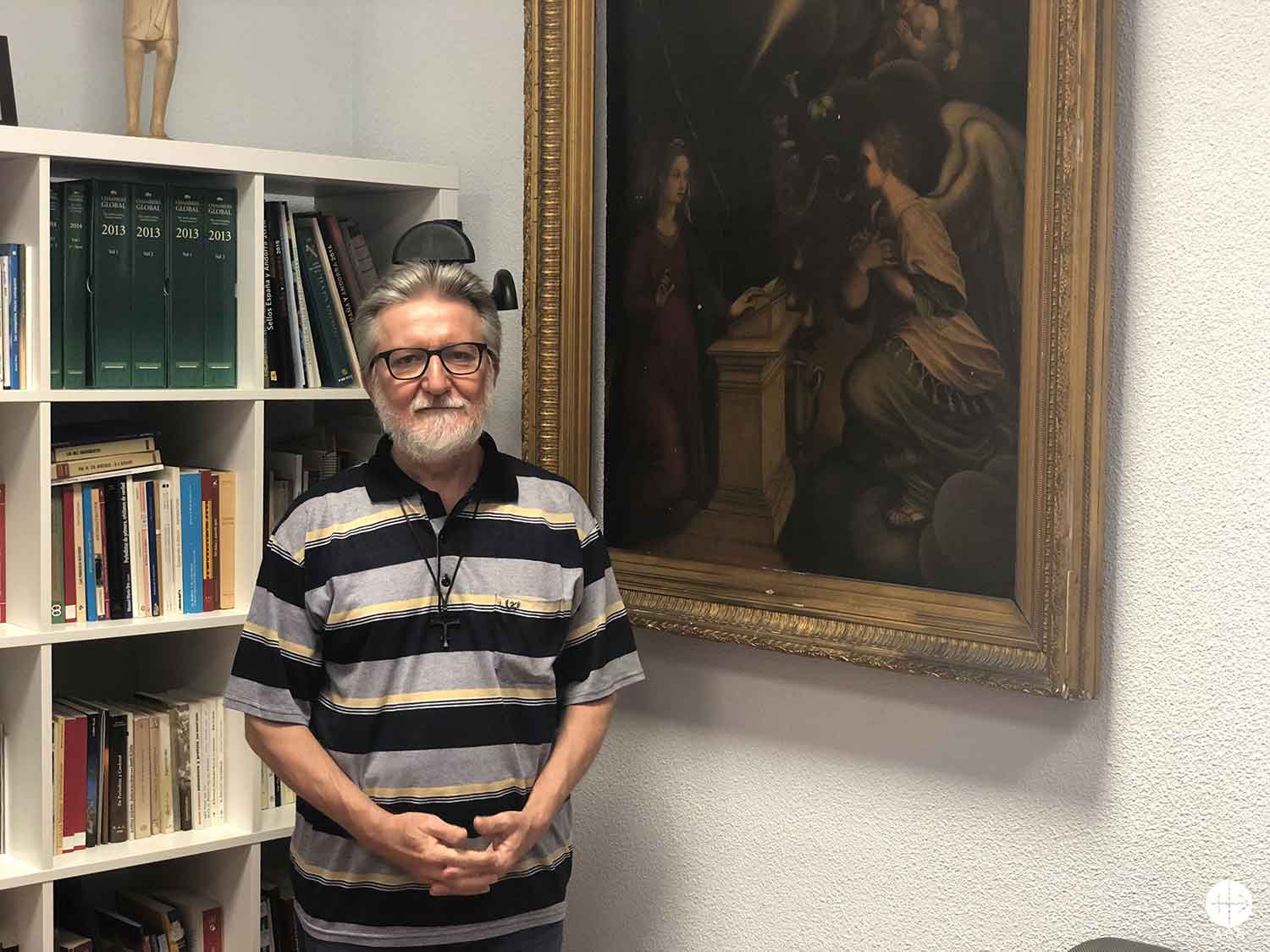
In this interview with Aid to the Church in Need (ACN) he opens up about the suffering experienced over the next 750 days, until he was released.
You wrote a book called “I Choose Not to Hate”, in which you call for an end to war and violence. Was this book inspired by your experience in captivity?
I felt the need to write this book to respond to the countless images and words on television and in the media praising rearmament and war. I saw the true face of war up close; I was kept chained as a hostage and prisoner for more than two years and, precisely because I experienced such inhumanity first-hand, I felt compelled to make my voice heard. Peace is possible, but not in the way the world offers it, with bombs and massacres of the innocent. There is an alternative to war. This book describes the two banks of the river of peace, which are two negatives: no to violence and no to killing. From these two banks, we can feed the river of peace with a variety of creative actions and words, in harmony with goodness, non-violence and life, but never death.
On 17 September, it will be eight years since you were kidnapped. What memories do you hold of that day? What shocked you the most when you realised that you had indeed been abducted and that you would likely spend a long period in captivity, as turned out to be the case?
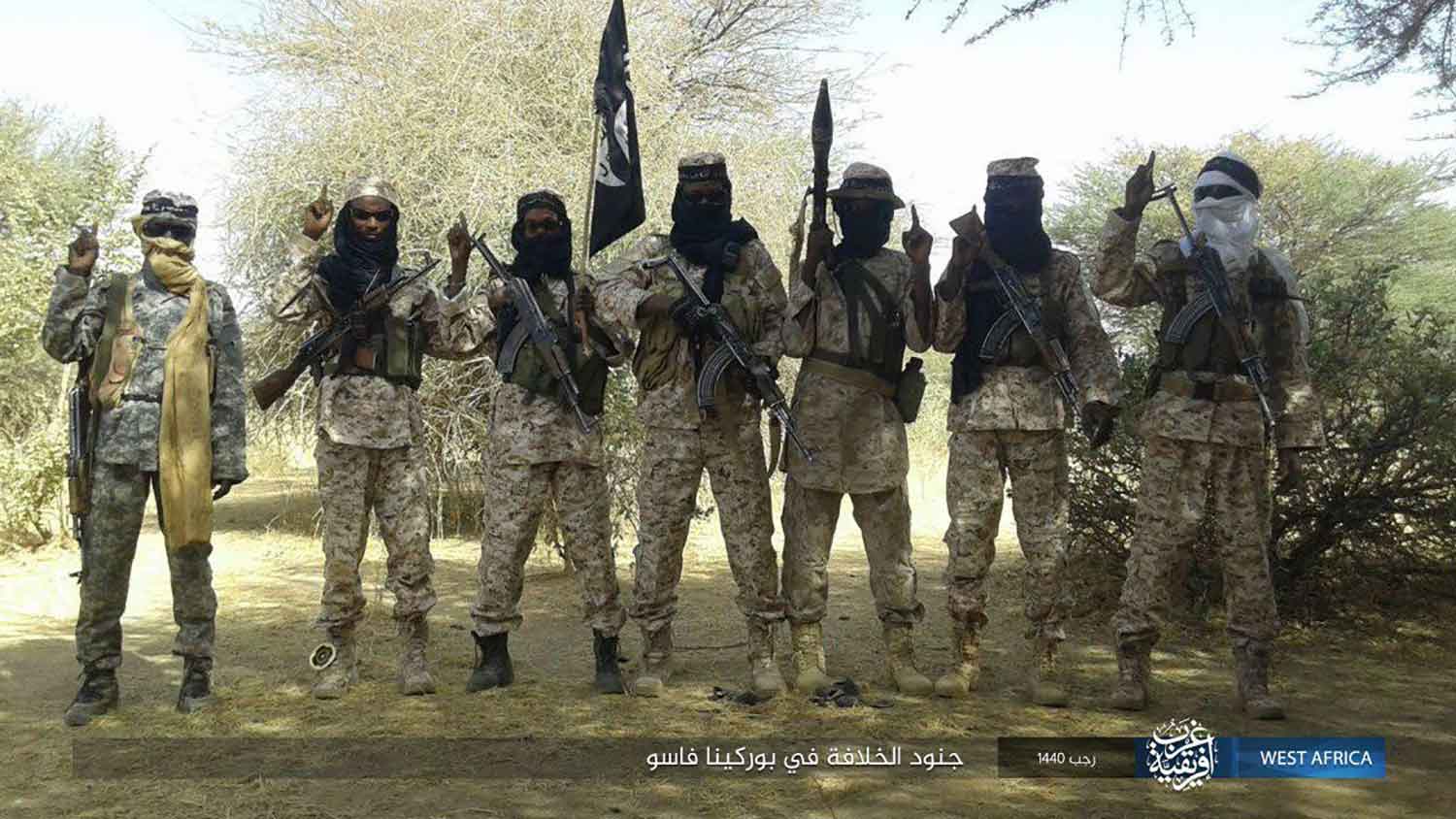
When I realized that my kidnappers were not common criminals, as I initially thought, but jihadists, it was like a punch in the gut. A heavy stone fell on me and crushed me. The weight was too much, and I cried tears of despair. I remember that every day we would set off on a motorbike, getting further away from the places I knew, and my anguish grew as I realised it would become increasingly difficult to escape.
How did this experience change you? Is there a Fr Maccalli before and after the experience of captivity?
This ordeal changed my perspective on life, mission, and God. Through this experience, I learned to know myself better and to understand my own fragilities; I understood just how challenging and decisive Jesus’ commandment to love our enemies really is. I confess that these words challenged me during my imprisonment, and I asked myself: “How can I love these people who have taken away my freedom, chained me every day, and threatened me with death?”.
It was only when I was able to say, alongside the man on the cross: “Father, forgive them, for they know not what they do”, that I was able to fully understand the new logic of the Beatitudes.
My book focuses on the peace that emerges from the logic of Jesus’ Sermon on the Mount.
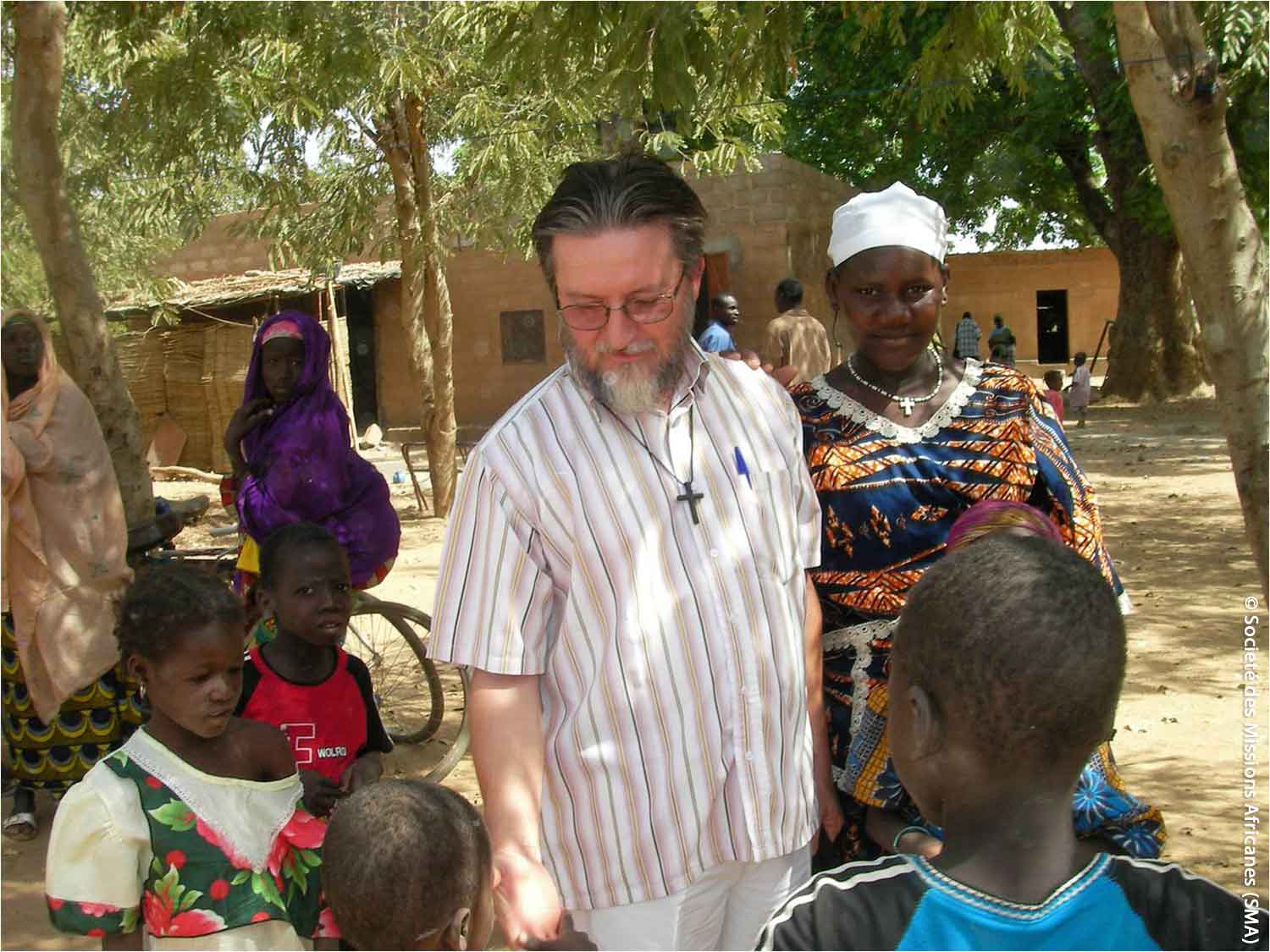
Did you ever feel hatred within you?
No! Hatred is a dead end. I felt deep pity for my captors. They are young men brainwashed by propaganda videos and plagued by so much illiteracy. It made me sad to see that those young people, for whose better future I had given my life, were wasting theirs for an ideal of death and violence. I felt a sense of defeat as a missionary. And I vented my anger at God; I felt like Job arguing with God.
Did you ever think you might die?
I was even explicitly threatened. It was 23 May – I remember it well – and a jihadist told me: “At the first opportunity, I’m going to put a bullet in your forehead”. And he was not joking.
But I told myself that even if he took my life abruptly, I could consider my missionary life complete. The year before the kidnapping, we had opened a new church in Boamanga and I ordered the seven spiritual and corporal works of mercy to be written on the seven doors leading into it; I told myself that this was my testament to the community. Anyone entering that church will remember that feeding the hungry, giving drink to the thirsty, visiting the sick and the imprisoned, clothing the naked and the vulnerable… is the path to entering the Kingdom: at the end of life, we will be judged by love.
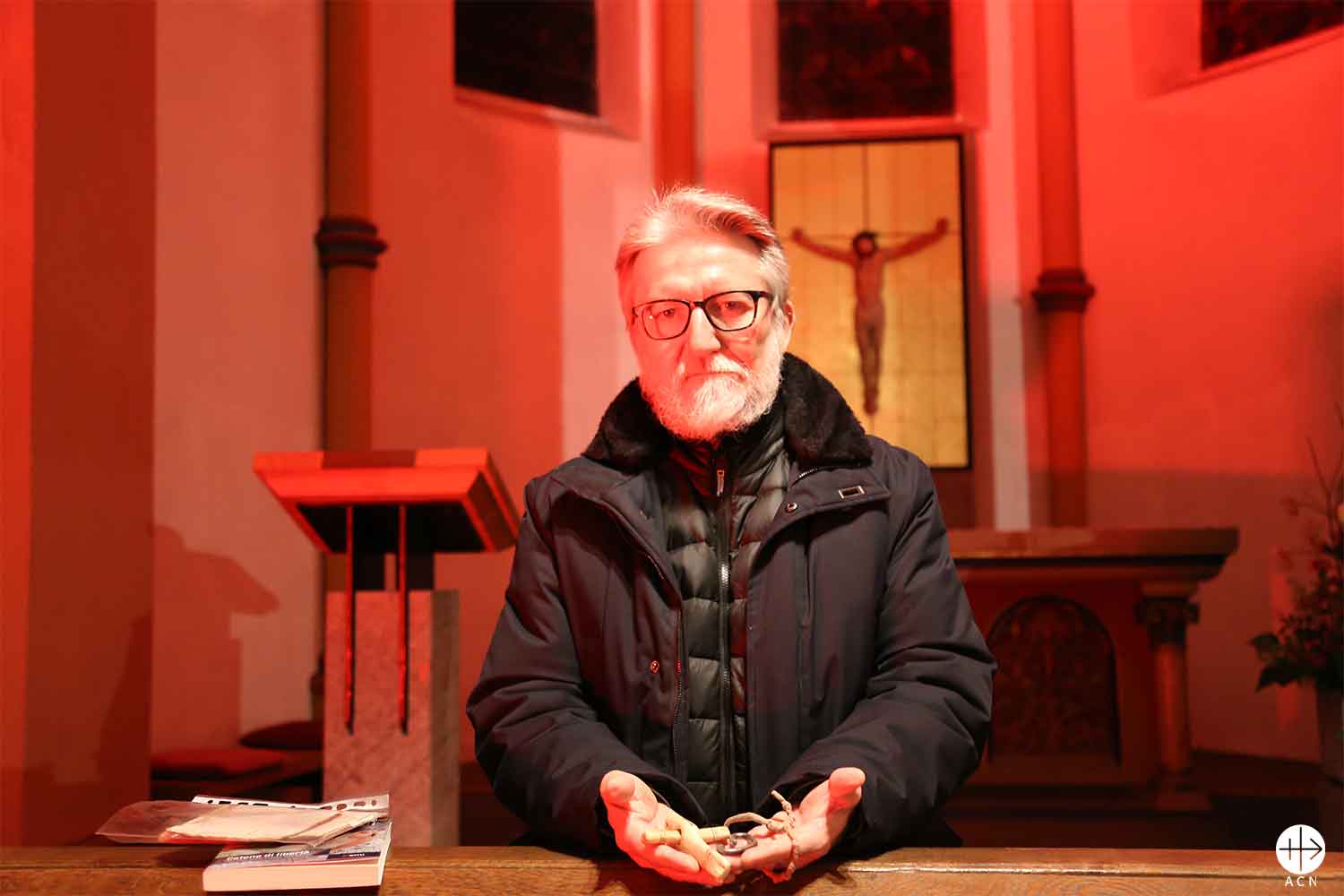
What was it like to pray while in captivity, surrounded by Islamic terrorists? Was prayer also a form of resistance?
Rather than resistance, it was a dedication to a kingdom of peace. I made a rosary out of cloth and that, together with spontaneous prayers, kept me connected to my family and to the communities for which I interceded. I learned to be a missionary with my heart, not with my feet. I prayed the prayer of the heart and walked with my heart along the paths I used to travel on foot or by car. Perhaps prayer was my way of existing every day. I discovered, in that captivity, that praying is to counter the solitude of feeling abandoned by God. It is crying out my desire to feel loved by a Father who is not indifferent to the cry of His children.
There is more Islamic terrorism today than in September 2018, when you were kidnapped. Jihadist groups continue to threaten Mali and Niger but also Nigeria, Burkina Faso, Cameroon, and even Cabo Delgado, in Mozambique. What message do you have for these populations, especially the Christian communities that fall victim to attacks by these armed groups?
I would like to thank them for their testimony of faithfulness and presence in regions of insecurity. During my imprisonment, I remembered these words of Jesus: “Blessed are you when people insult you, persecute you and falsely say all kinds of evil against you because of me. Rejoice and be glad, because great is your reward in heaven.” I admit that it was difficult for me to rejoice, but it comforted me to know that I was in communion with Jesus. I was on a mission because of Him. The insults were directed at me, but in reality, I was there because of Him; Jesus was the target. And I thought: these people believe that holy war (jihad) is meant to glorify God, but they do not realize that they are defying the God of Jesus. I could rest easy; the One who sent me was on the front line with me. The cause is His, just as the mission is God’s.
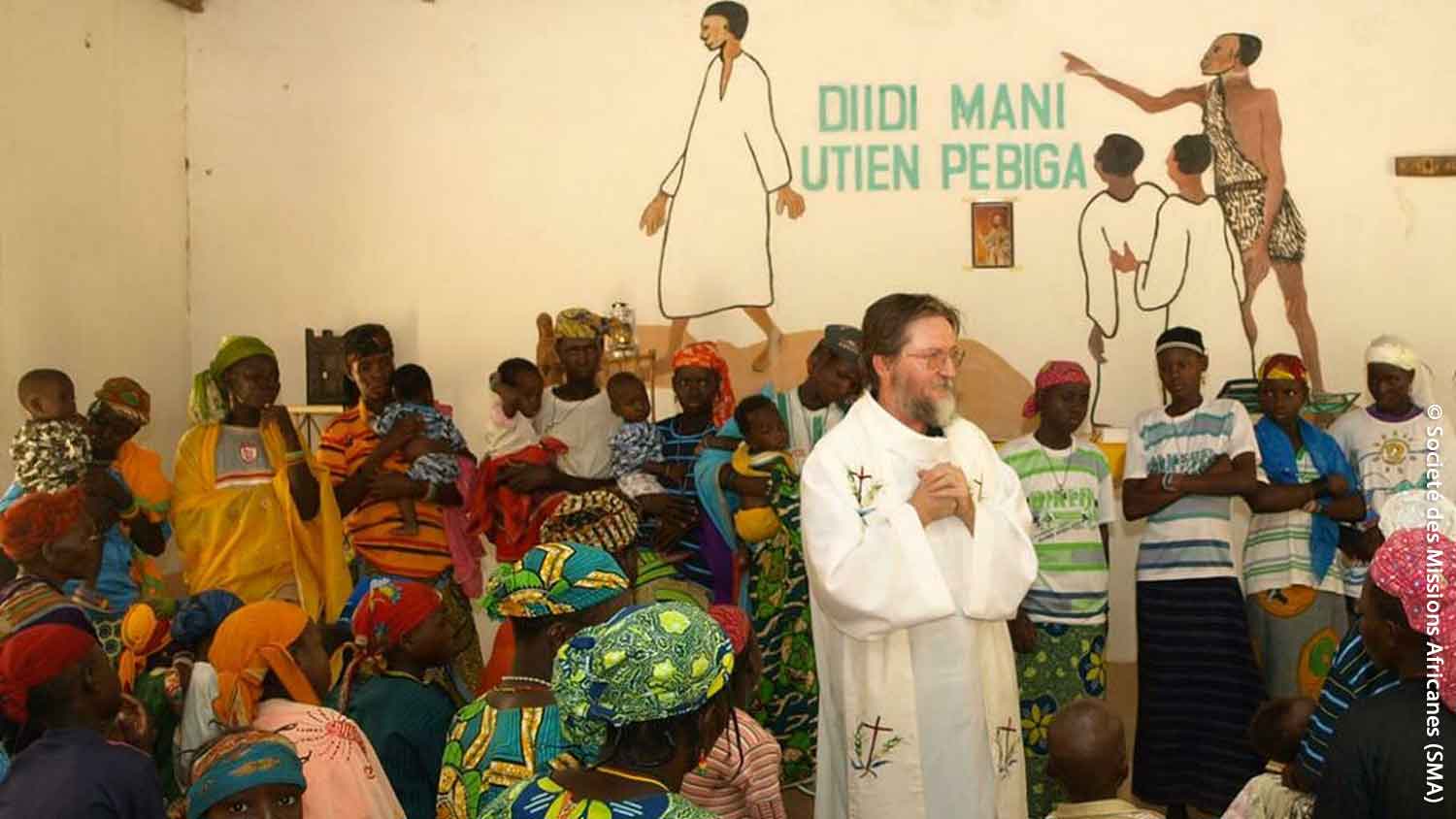
As you know, ACN’s mission includes supporting Christian communities that are victims of persecution and violence. During your captivity, ACN repeatedly appealed for your release and asked the world to pray for you. How do you view and follow the pontifical foundation’s work?
My thanks go to everyone who prayed for my release. I am convinced that my freedom is the result of the prayers of many: monasteries, parish communities, and many ordinary believers. The Vatican and its institutions closely followed my plight, which culminated in a special audience with Pope Francis on 9 November 2020. To all of them, my sincere thanks, and I renew my invitation to everyone to believe and hope, to pray and to work for peace.

Recommended