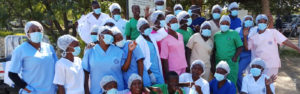
Religious sisters are “the foot soldiers of Christ” in Zimbabwe, says bishop
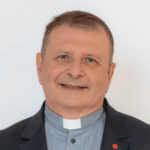
Bishop Raymond Mupandasekwa told ACN that the Church has been slow to recognise the contribution of sisters to the Church’s work, but that fortunately in Zimbabwe this is beginning to change.
The Bishop of Masvingo in Zimbabwe says that the Church in his country, and in general, owes a debt of gratitude to the religious sisters who do pastoral work on the ground, sometimes in very difficult conditions.

During a visit to the international headquarters of Aid to the Church in Need (ACN), Bishop Raymond Tapiwa Mupandasekwa spoke of women religious as “foot soldiers of Christ”
“We should thank the female congregations; they have had to carry a lot of burdens in order to serve the Church in Africa. They are the ones on the ground, who serve the poor, the widow and the orphan, but they have very little recognition,” he said.
“They do the catechesis of children, young people and adults, but when people talk about the Church, they say: ‘Father is doing a good job here, he is very good at organising.’ Father might be good at organising, but who implements all these things? Who makes it work? It is the women in the congregations. With very little gratitude. Historically we have had a challenge in the manner in which we have been expressing our gratitude.”

The bishop lamented the fact that in many situations the sisters are not getting retribution or support for their pastoral work, which can lead to negative consequences for dioceses. “The majority are not paid, yet they have bills to pay, they have food and medicine to buy, healthcare needs. The Church has been slow in recognising that contribution and supporting them financially, to the point that a good number has lost heart and are now more interested in their work as teachers or as nurses, where they get a salary from the government, and many are leaving pastoral work, because they feel that they are not well supported.”
Bishop Raymond spoke of a personal experience he had when he visited a parish on the border with Zambia and Mozambique. “It is the remotest part of our diocese, with a very poor community. They could not even afford to house us. We had to bring small tents to live in in order to celebrate the Easter festivities,” he recalls. Bishop Raymond watched in wonder as the sisters quickly established a close connection with the parishioners. “I thought to myself, ‘who is the bishop here? The sisters are the bishops!’” he recalled with a smile. “They know the people better than us! The amount of time they give to the knowledge of the people is amazing! They are really the foot soldiers of the Church!”

Fortunately, he said, things are beginning to change, and in some dioceses the bishop now sees the sisters receiving more recognition from the Church authorities.
This, the bishop believes, is part of realizing Pope Francis’ call for a more synodal Church. “We pray that we become more synodal, more caring, more attentive to the needs of the oldest and the youngest. We want to transform the Church into a real family of God, where the dignity of every person is respected.”
ACN is currently supporting dozens of projects in Zimbabwe, including for formation and living costs of religious sisters in the Diocese of Chinhoyi, the construction of a convent in the Diocese of Masvingo, and the refurbishment of a novitiate in the Diocese of Gweru.

Recommended