Archbishop Ettore Balestrero, Nuncio to DR Congo: “The Pope wants to encourage everyone to reconciliation”
This Tuesday Pope Francis travels to the country with the largest number of Catholics in Africa, the DR of the Congo, marked by violence and corruption, but with enormous wealth in human and natural resources.
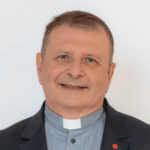
The Apostolic Nuncio to the Democratic Republic of the Congo (DRC), Archbishop Ettore Balestrero, spoke to Aid to the Church in Need (ACN) before Pope Francis’ trip to this country in the heart of Africa. The prelate highlighted the spirit of closeness to those who suffer most, and the priority of reconciliation, that will mark this much-awaited visit.

ACN: What country will Pope Francis be arriving in? What is the current situation in Congo, and what are the main problems facing society?
I would say that Francis is coming to Congo because this country is very important to the Catholic Church. The DRC has the largest number of Catholics in Africa, and the seventh largest in the world. Issues such as mission, evangelisation, pastoral life, closeness to the people, etc., are very current here. Socially, Congo suffers terribly from corruption, poverty levels are very high, and there is a desperate need for peace, especially in the east. Migratory challenges are also urgent, with 5.5 million internally displaced and 500,000 refugees. This is a young country: half the population, around 50 million people, are under the age of 18. The DRC is also very rich in natural resources, with many minerals that are extremely important for environmental transition. The DRC needs help, it needs more development and more maturity in terms of democratic awareness.
On Wednesday 1 February Pope Francis will meet with a group of victims from the East of the country, which he was supposed to visit in the first scheduled trip, but will not, now, for safety reasons. Was this meeting a personal request by the Pope?

Both the Pope and the local population share this wish. This meeting is an opportunity for Pope Francis to show that he is close to these people, for all the suffering and massacres they have suffered over the past thirty years and which continue to take place today. The Pope wishes to console the people, to condemn the attacks, to ask God for forgiveness for all these killings. He wants to invite and to encourage everybody to reconciliation, which is why the motto for the visit is “All reconciled in Jesus Christ”. This country gets its name from the great Congo River. The Pope wants to transform the river of hatred and violence into an ocean of justice and reconciliation. He wants to strengthen the notion that the future needs to be built with others and not against them. And the Congolese society expects the Pope to help show the world that the DRC is not a hopeless problem, but a moral urgency that cannot be forgotten.
How is the local church, including parishes, movements, and groups, preparing to welcome the Pope?
The Church is preparing at the spiritual level. Every day, in each celebration, a special prayer is said for this event. This has also been an opportunity for several parishes to hold specific catechesis sessions on who is Jesus Christ, what is the Church, why being Catholic or not being Catholic is not the same, the meaning of mission, of responsibility and a coherent moral life. Many groups, parishes, congregations and movements are organising themselves logistically so that everybody who so wishes can go and see the Pope, and so that everybody feels touched by his visit.

How important is Aid to the Church in Need’s support for the Church in Congo?
It is very important, because it is concrete help. That is why I would like to take this opportunity to, once again, thank ACN and encourage the foundation to keep up the good work. There are so many needs and emergencies here. I am grateful that ACN continues to help, and for its cooperation with the Nunciature, so that the aid is increasingly effective. I send you my blessing, and may God continue to inspire you every day to be better and more faithful brethren of Jesus Christ.

Recommended