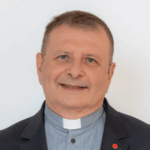
In Goma, DR Congo, the Church stays the course despite the war
Since the armed M23 group seized Goma in eastern Democratic Republic of the Congo (DRC) in January 2025, the war has continued to disrupt daily life in North Kivu. Speaking at the international headquarters of Aid to the Church in Need (ACN), the Vicar General of the Diocese of Goma explains how the Church continues its mission among the local population.
“When we have to travel and move around, it is normal to be afraid and aware that there are dangers,” says Mgr Henri Chiza, referring to the priests of his diocese. While movement within the cities generally remains possible, leaving them has become particularly difficult. This is the case in Goma. Located in eastern DRC, on the border with Rwanda, the capital of North Kivu lies in a region that has been affected by armed conflict and regional tensions for decades. In January 2025, the armed rebel March 23 Movement (M23) took control of the city.
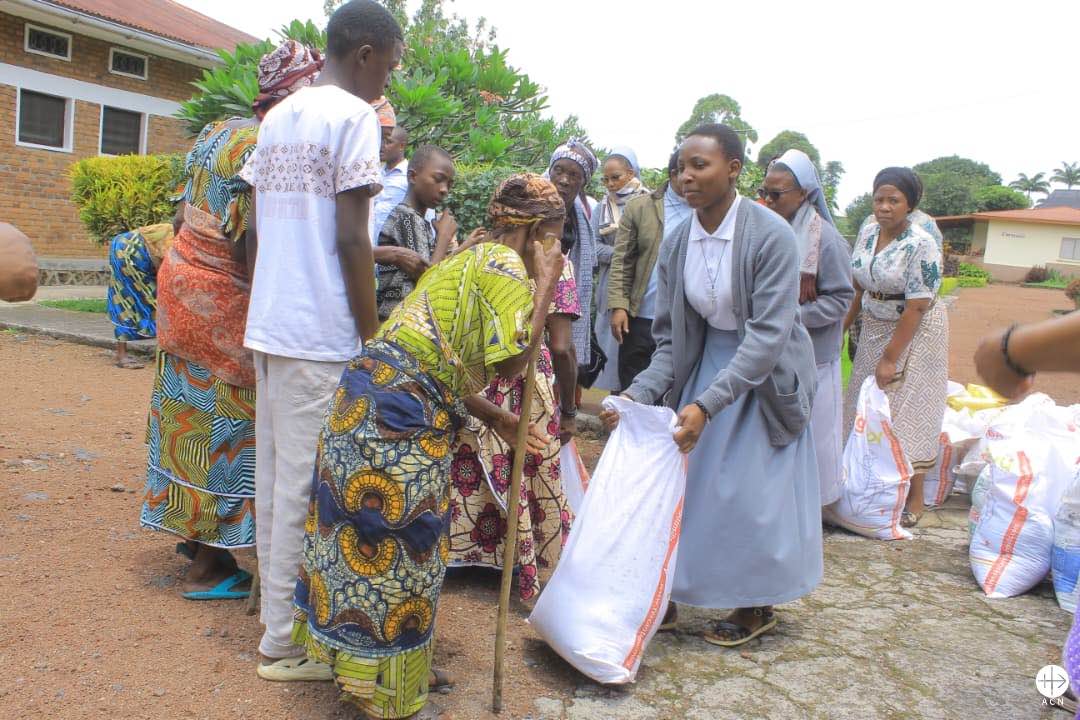
Following the offensive, camps for displaced persons sprang up in Goma and in neighbouring parishes. The Church mobilised quickly. Schools collected food and basic necessities, while the diocesan bishop and religious communities organised distributions. Some families have since returned to their villages, but the displacement has left behind fear, disorientation and grief. The military situation, meanwhile, remains uncertain. “Each side remains in its position, the fighting parties are entrenched, and there is no contact between the opposing forces,” explains the Vicar General. Sporadic clashes still occur, with no predictable development in sight. The conflict has also disrupted the local economy. Restrictions on movement have affected trade, while banks and businesses have closed and the population benefits little from the region’s mineral wealth, including gold, lithium and diamonds.
Remaining close to the faithful
Faced with war and the hardship it causes, the Church remains determined to continue its mission among the population, while steering clear of the political strategies of armed groups.
“We simply try to stay within our field and continue the work of evangelisation, which is our reason for being and our motivation,” stresses Mgr Chiza.
“Overall, we have not closed any parish,” he adds.
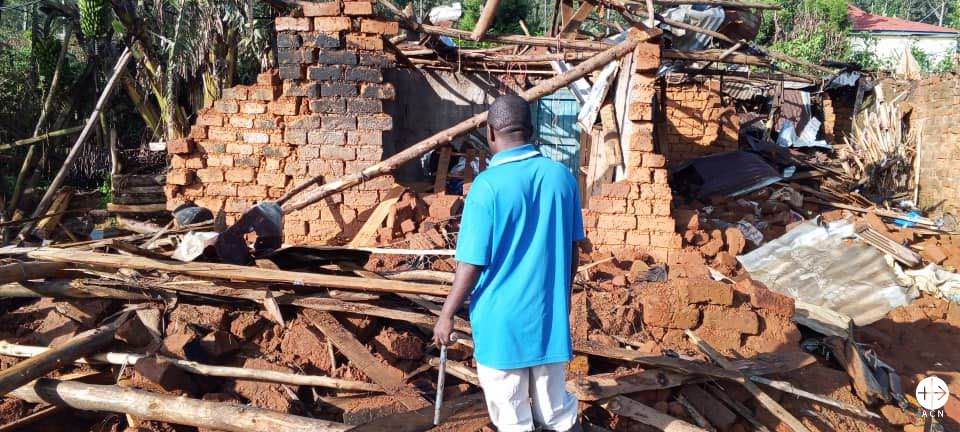
A parish In Birambizo, whose buildings had been destroyed, has reopened and two priests and a deacon have returned. The priests of the diocese have generally not been forced to abandon their missions, although insecurity, material difficulties and the suffering of local people weigh heavily on their pastoral work.
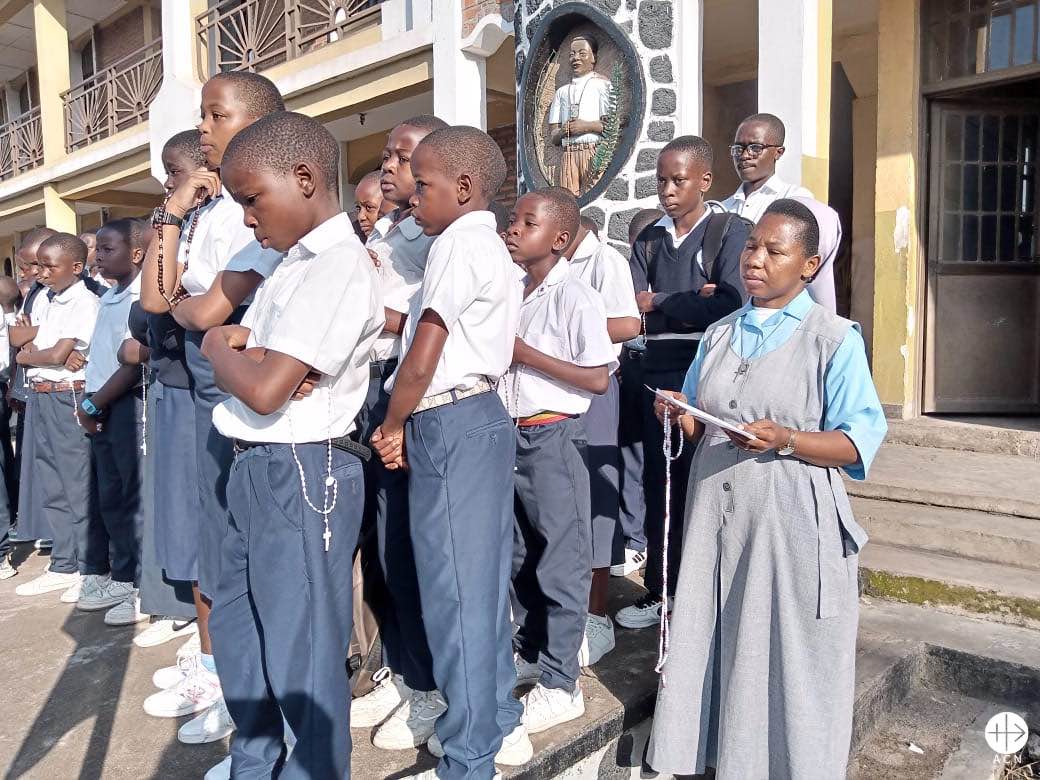
The presence of the Church is particularly important for young people. Some of them, now in their thirties, have never known life without war. In this context, Mgr Chiza wants to tell them that “war will not have the final word!”
Through homilies, schools and pastoral activities, the Church seeks to help young people find meaning in their lives despite the chaos and maintain hope that peace will return.
ACN supports the Church in Goma in various ways: assistance for seminaries and seminarians, scholarships, support for the construction of religious residences and monasteries, and Mass stipends for priests. In the country, the faithful traditionally contribute to the support of priests, but economic difficulties have made these contributions increasingly difficult. Mass stipends therefore help priests cover essential needs such as clothing and shoes. They also sometimes enable them to assist relatives who depend on them. In times of crisis, this support allows them to continue their mission among the faithful.
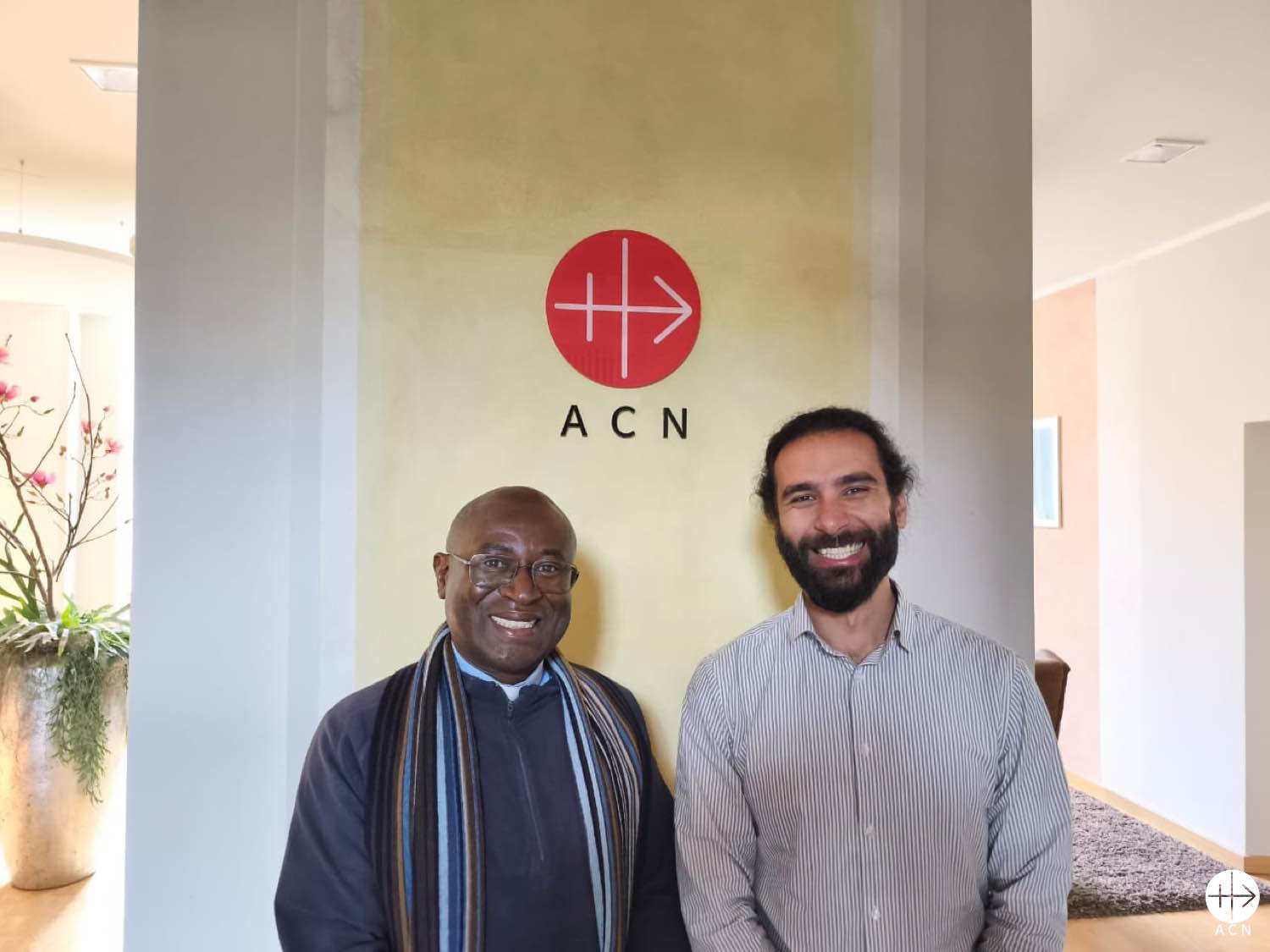
During his visit to ACN’s international headquarters, Mgr Chiza wanted to thanked the benefactors for their support, which has “a considerable impact on the diocese and on the well-being of its people.”
He also highlighted the importance of the emergency aid provided by the foundation: “During the worst moments of the war, we received assistance from ACN simply to feed ourselves, to stay alive.”
He also invited benefactors to pray for peace in the DRC, for priests and religious sisters, and for the suffering population.
“The most important bond we must build is the bond of prayer,” he said, assuring supporters that the local Church does not feel forgotten because it knows it can count on the prayers of the Pope, the solidarity of the universal Church and the support of ACN’s benefactors.

Recommended