Colombia: “Jesus himself has gone out into the streets to meet the people”
One month after the earthquake that struck Colombia on 10 August, its material and emotional consequences are still deeply felt. Amid the destruction, priests, religious sisters and other pastoral agents remain alongside the affected communities, offering support, comfort and hope. From Cali and several municipalities in Valle del Cauca, their voices show how the Church continues its mission as the long road to reconstruction begins.
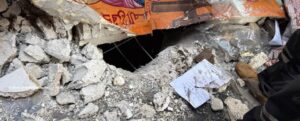
Father Luis Alberto Ríos is the parish priest of Saint Teresa of Jesus in Cali, in the south of Valle del Cauca, which serves around 9,000 people in one of the cities hardest hit by the earthquake. He describes how the material devastation left entire neighbourhoods engulfed in an overwhelming silence, reminiscent of a cemetery. Across the Archdiocese of Cali, 40 churches were reported damaged, 10 of them severely and some completely destroyed. In his own parish, the roof collapsed, forcing the celebration of the Eucharist and the other sacraments, as well as other parish activities, to be moved to a tent set up in a nearby park.
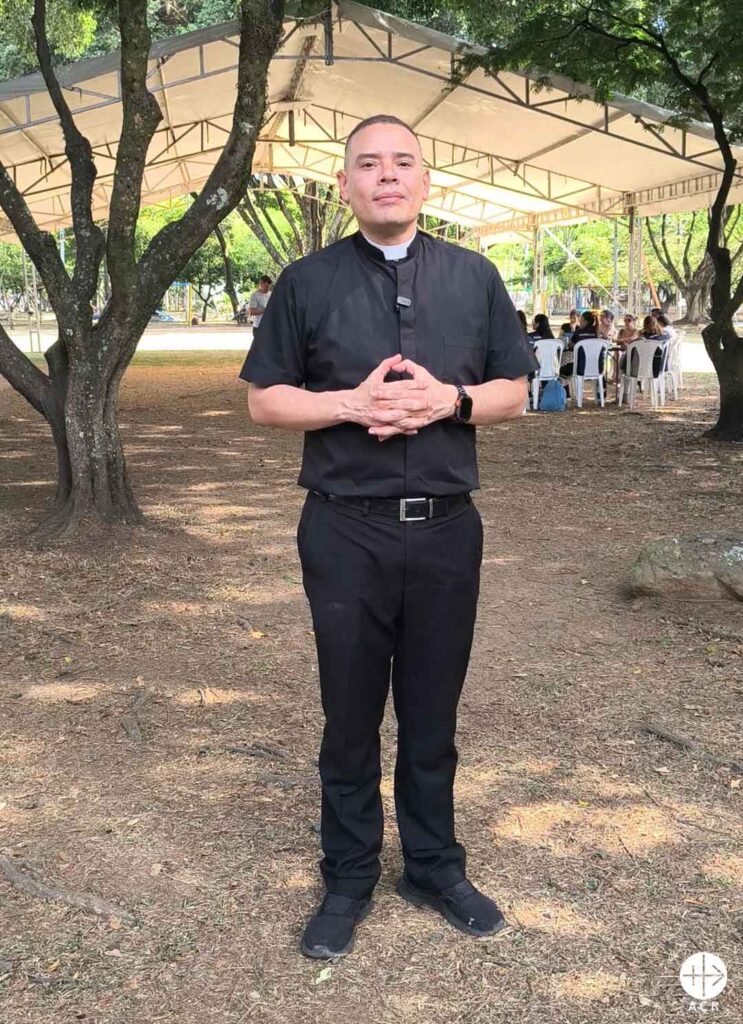
Despite this, the priest stresses that today, more than ever, the Church is serving as a “spiritual hospital”. For the community, this open space has become a vital meeting place, where those affected can discover that they are not alone in their suffering. An emotional Father Luis Alberto describes how celebrating outdoors “is a sign that Jesus himself has gone out into the streets to meet the people”.
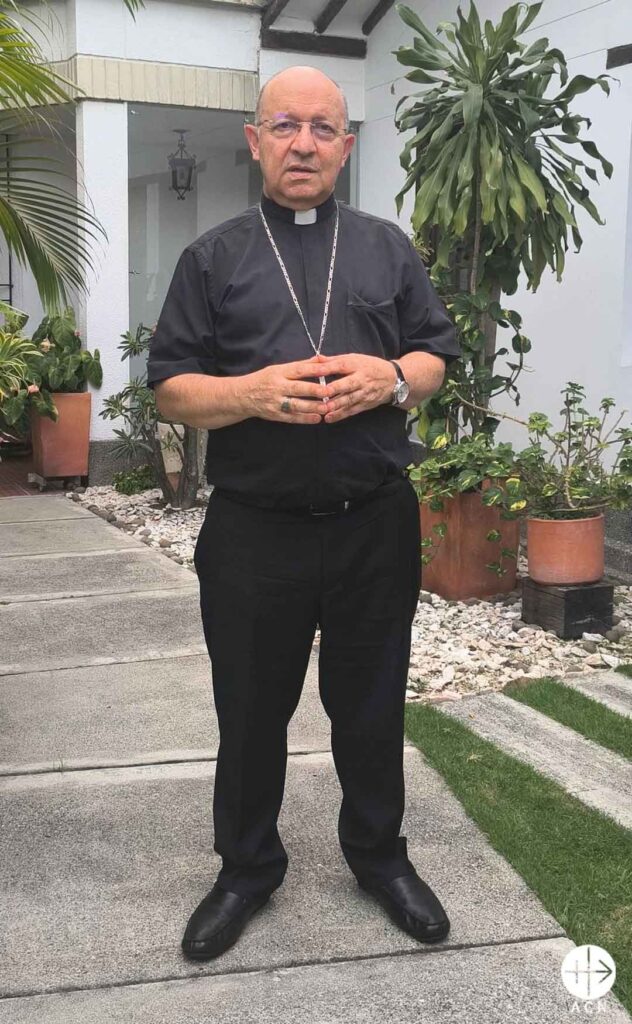
The impact of the earthquake was also devastating in the Diocese of Palmira, just a few kilometres from Cali. Bishop Rodrigo Gallego reports that 11 parish churches were affected, with some so severely damaged that they will need to be demolished, in towns such as Restrepo, Yotoco, Vijes and Darién, where five children tragically lost their lives. He also warns of the immense destruction in rural areas, where numerous homes belonging to farming families collapsed. Despite the destruction of the churches, which form part of the visual and historical identity of these towns, Bishop Gallego states that “the Church is still alive and remains”. Evangelisation and the Church’s pastoral presence continue, adapting to community halls and public spaces “to keep hope alive and provide spiritual support to the population”.
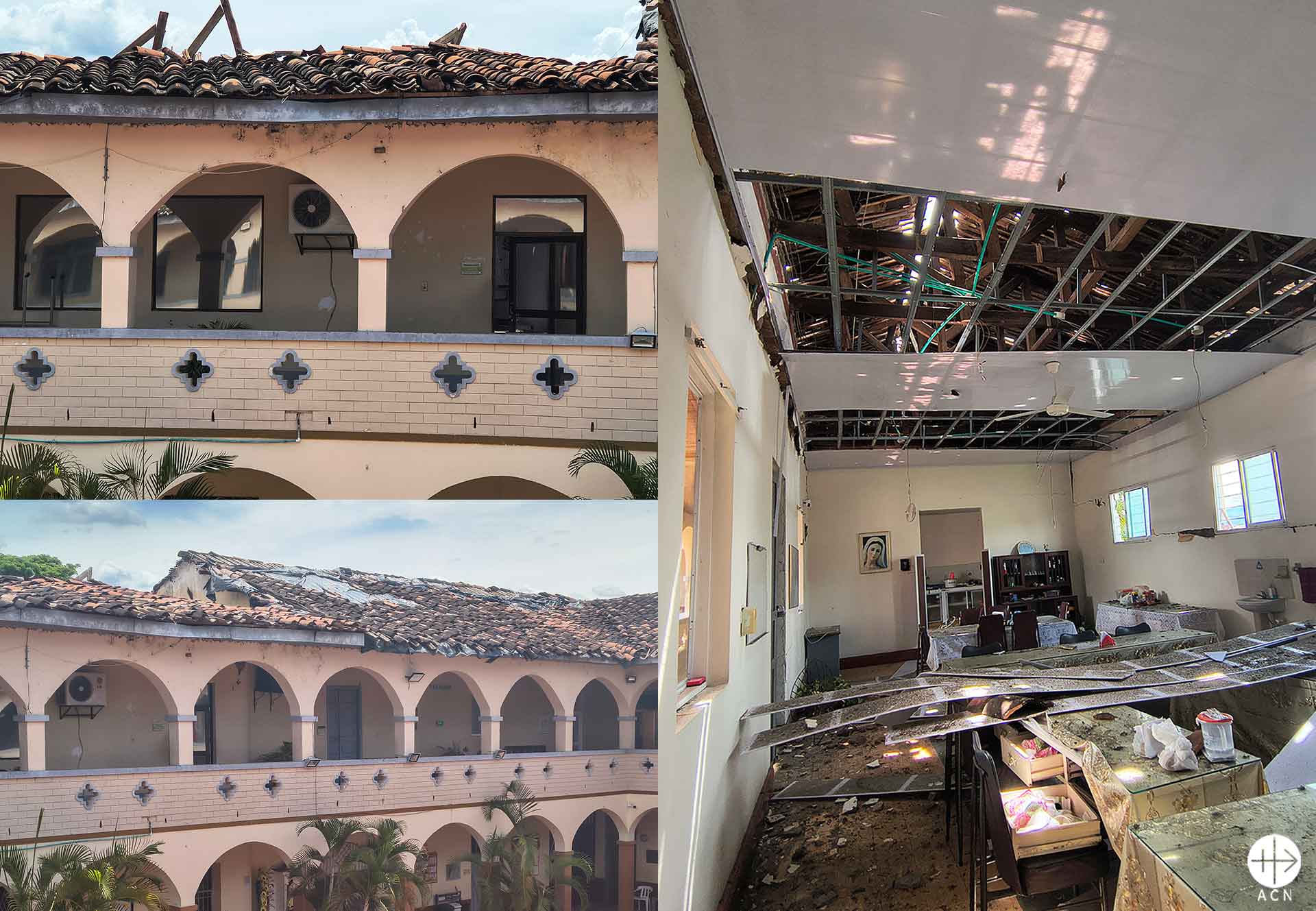
This urgent need to preserve spaces where communities can come together is shared by Bishop César Alcides Balbín, of Cartago, in the north of the department of Valle del Cauca. In his diocese, which encompasses 16 municipalities, the earthquake left around 20 churches severely damaged, while another 20 require significant repairs. During his visits to the affected areas, the bishop found his priests actively working alongside the people rather than dwelling on the damage to the buildings. Bishop Balbín stresses that “the fundamental role of the Church in this emergency is and will be to offer companionship, support and comfort, and to provide a place of refuge” in the face of the economic difficulties that lie ahead, including rising rents and the impact on businesses and employment. He emphasises that maintaining the celebration of Sunday Mass is a priority, since “bringing the people together gives them the spiritual strength they need to embark on the long road to reconstruction”.
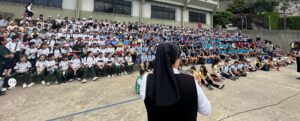
All this work of accompaniment, in which the Church acts as a place of refuge and a source of spiritual strength, takes concrete form in the testimonies of those who remain alongside others, even in moments of great danger. Sister Andaris Flores, a Missionary of Saint Thérèse of the Child Jesus, in La Victoria, south of Cartago, recalls how, on 10 August, as her school and convent suffered severe damage, she decided not to evacuate the building. She remained on the second floor to stay with an 83-year-old sister who was unable to make her way down the stairs. On her knees, she prayed as she heard the earth roar, watched the roofs move and saw debris falling around her.
Now temporarily staying with a local family, the religious sister is looking to the future. She acknowledges that, beyond the physical reconstruction, the real long-term task will be to heal the emotional and psychological wounds and, above all, to “work on rebuilding the soul”.

Recommended