Christians of Yaroun, southern Lebanon, fear they will never return home
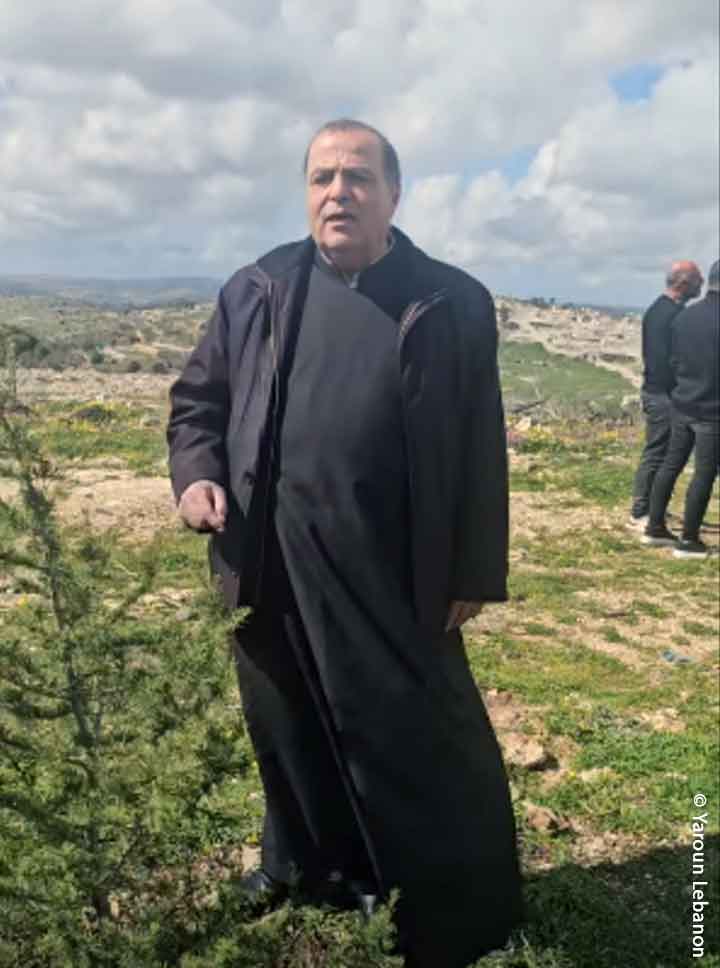
The Christian residents of the south-Lebanese border town of Yaroun are living in fear that they will never be able to return to the land of their ancestors. Fr Charles Naddaf, the parish priest of the local Greek Catholic Melkite church, spoke to Aid to the Church in Need (ACN) about the community’s concerns.
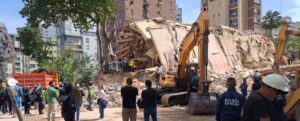
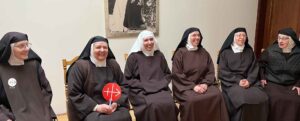
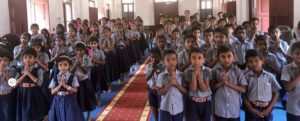
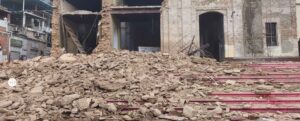
“Yaroun is deeply wounded,” says Fr Naddaf of the Parish of Saint George. On 1 May 2026, the parish hall, which was serving as a makeshift church, was destroyed, as were the parish youth centre, and the convent of the Melkite Basilian Salvatorian Sisters and their school, which served children from the town and surroundings, regardless of their religion. Despite the ceasefire established on 17 April 2026, and which is officially still in effect, tension remains high and fighting continues in southern Lebanon. Yaroun is currently off limits, making it impossible to fully evaluate the damage. “This is, without a doubt, one of the greatest catastrophes this community has ever suffered,” Father Naddaf tells ACN International.
Yaroun is around three quarters Shia but also has an historic Melkite Christian presence. Sitting very close to the border with Israel, it has been heavily targeted several times since October 2023. On 9 October of that year, the entire population abandoned Yaroun for the first time. The parish church of Saint George and several homes, both Christian and Muslim, were destroyed in the first months of the conflict, while the rest of the community suffered serious damage. Following the ceasefire on 27 November 2024, Yaroun was once again subjected to systematic destruction, with several houses severely damaged or razed to the ground. Even the large statue of Saint George, in the western part of the town, was demolished.
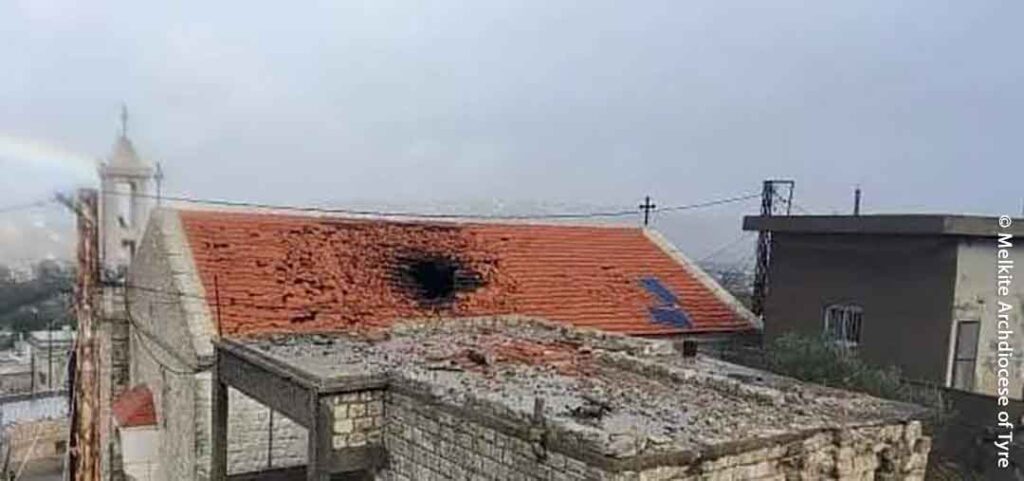
As access to the town gradually became possible again, 15 Christian families, whose homes had not been destroyed, returned. They made provisional repairs, turning the parish hall into a temporary chapel and began to celebrate the Eucharist again. However, their hope was shortlived, as hostilities resumed and everything was laid to waste once more. On 2 March 2026, “all the faithfull abandoned Yaroun,” says the parish priest. Families sought refuge in Rmeich, Aïn Ebel, in the district of Bint Jbeil, near the border with Israel, and several other towns in Mount Lebanon. “Since the beginning of the war, families have been displaced, largely helpless and living in uncertainty,” explains Fr Naddaf, who is currently living in the Maronite monastery of the Annunciation, in Rmeich.
Hard hopes for a return
More than the actual destruction of the town and the displacement of its inhabitants, what worries the residents of Yaroun is the future of Christianity in southern Lebanon. “The Christians who have been displaced did not choose this war, all they ask is to be able to return to their homes, live in peace with everyone and remain in the land of their ancestors,” says a concerned Fr Naddaf.
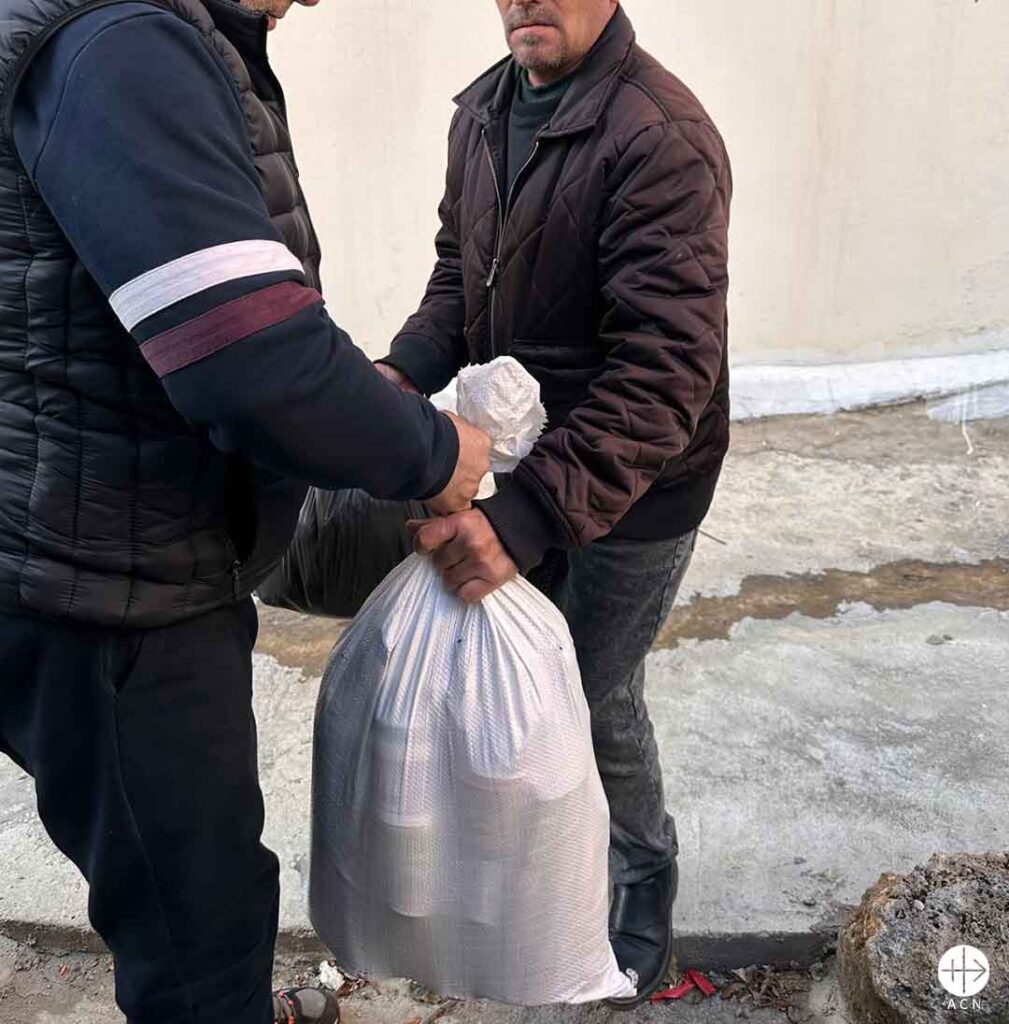
The priest not only stresses the humanitarian emergency of this situation but also the psychological and spiritual anguish of the displaced. He believes that families need, above all, a return to peace and security, without which nobody will be able to rebuild. Besides that, he says, it is important that the displaced inhabitants of Yaroun know that they have not been forgotten.

Recommended