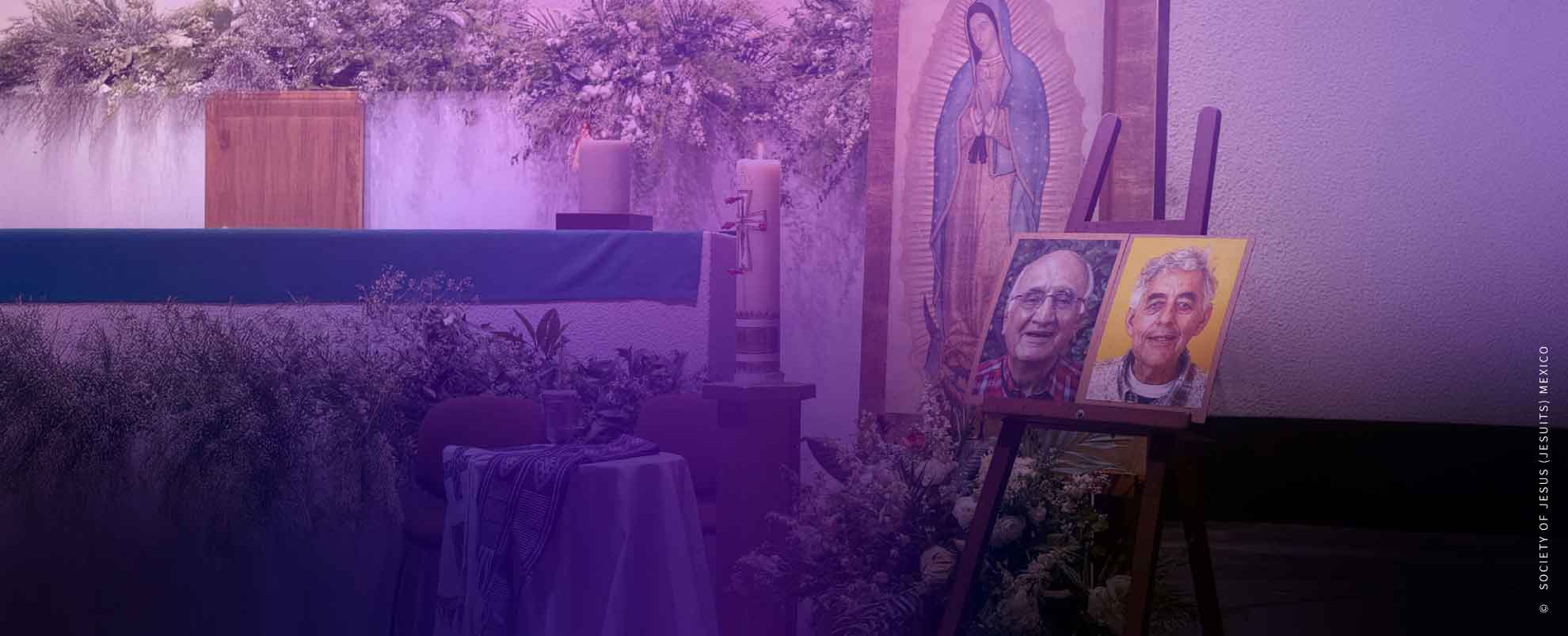
Martyrs of our days: Witnesses of Hope
Inspired by Pope Francis’ invitation to celebrate a Jubilee of Hope, ACN’s Lent campaign is a call to show solidarity with persecuted Christians around the world.
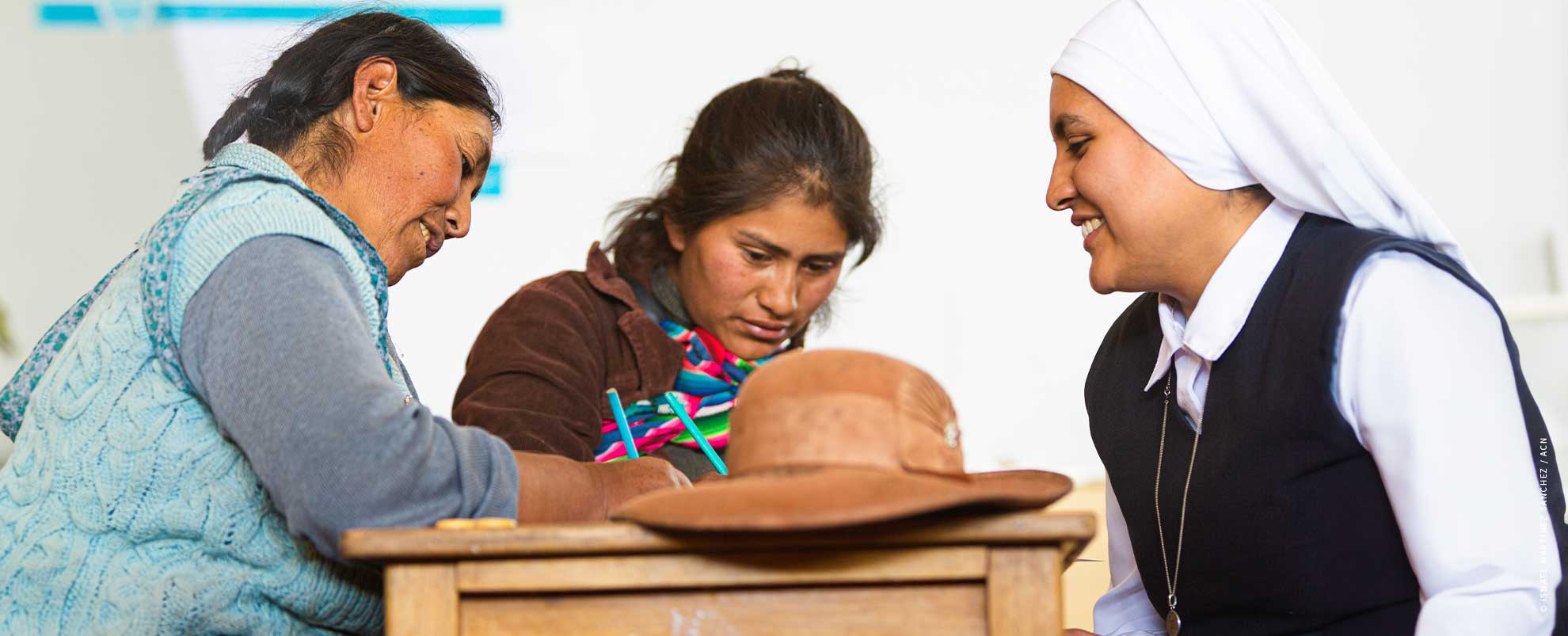
Helping Christians in need around the world
ACN is the only international Catholic organization dedicated to the pastoral and spiritual support of persecuted and suffering Christians.



We help Christians in Need worldwide!
Aid to the Church in Need is dedicated to the service of Christians around the world, through information, prayer and action,
wherever they are persecuted or oppressed or suffering material need.
What We Do
We support the faithful wherever they are persecuted, oppressed or in need
Aid to the Church in Need (ACN) operates under a set of core guidelines that direct its mission to support persecuted and oppressed Christians worldwide.


Information


Prayer


Action

You need support for your project?
News
News about Christians in Need
Ebola spreads across the DRC as violence in the east limits health response
Forced displacement caused by violence is hampering efforts to contain…
Over one million children learned to be peacemakers through the rosary
From the streets of India to juvenile prisons in Ukraine,…
Christian village attacked in Syria
An argument between young people from the from the Christian…
Cardinal Parolin denounces Christian persecution in UN speech
The Secretary of State also called attention to the multiple…
South Lebanon: Hope of return takes root among the olive trees
As the olive harvest approaches, the residents of Alma el-Chaab…
Leo XIV opens global week of prayer for peace with hundreds of children
The Holy Father joined the “One Million Children Praying the…
Holy Land: “Living space for Christians is getting smaller and smaller”
Rector of seminary in the West Bank warns of growing…
“I learned ACN is a charity of love”, says outgoing international ecclesiastical assistant
Fr Anton Lässer leaves ACN and will be replaced by…
La Guaira: “We do not remember them for the tragedy, but for the light they left behind”
Three months after the devastating earthquake that struck Venezuela, young…
Projects
Projects we support for Christans worldwide
Lebanon : Help for the chaplaincy outreach in Baabda University
Ever since 2019 Lebanon has been going through one of…
Brazil : A Youth congress on evangelisation in the Amazon region
The diocese of Juína lies in the heart of the…
Guatemala : A vehicle for pastoral work in the apostolic vicariate of El Petén
With an area of over 14,000 square miles (36,000 km²)…
Indonesia : A chapel for the village of Golo Popa
A little while ago we received an appeal for help…
Madagascar : A new village chapel in Morafeno
Ankililoaka Mission is set in a remote and underdeveloped rural…
Kenya : Host-baking equipment for the Carmelite Sisters in Machakos diocese
Since the year 1999 there has been a Carmelite convent…
Ethiopia : Ongoing training for 300 catechists in the apostolic vicariate of Hawassa
Ongoing training for 300 catechists in the apostolic vicariate of…