The return of Iraq’s Christians: a possible model for Nigeria
Catholic leaders advocate for the right of return of internally displaced people.
The return of thousands of displaced Christians to their places of origin in Iraq, supported by ACN following the defeat of Islamic State, could serve as a model for responding to the crisis facing Christian communities in Nigeria’s Middle Belt.
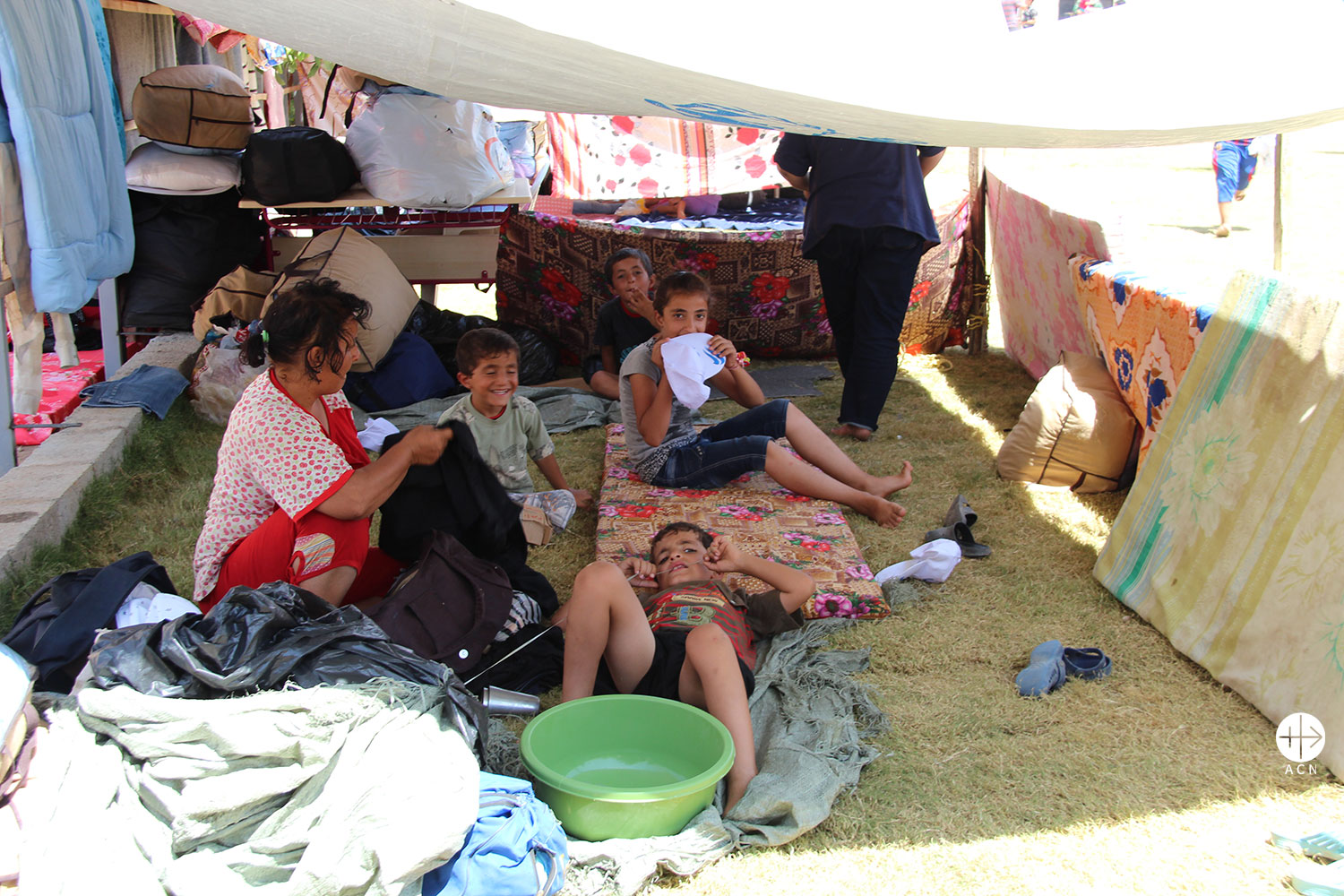
On 6 August 2014, the Islamic State swept through the Nineveh Plains, the ancestral homeland of Iraqi Christians, forcing hundreds of thousands to flee overnight to the safety of Erbil and other parts of Iraqi Kurdistan.
Over the following three years, thousands of families lived in caravans in displacement centres, in rented flats or with host families. Following the liberation of Mosul, Qaraqosh and the other villages of the Nineveh Plains, ACN promoted and supported the “Return to the Roots” plan. The project aimed to rebuild homes, churches and schools in the devastated villages, ultimately enabling those who wished to do so to return to their lands and allowing Christian life to flourish once again in the region.
Today, thousands of kilometers away, millions of Christians in Nigeria’s Middle Belt are caught in a violent cycle of forced displacement. Driven from their lands by frequent and unpunished terrorist attacks, many have been living in camps for up to two decades, with destruction widespread throughout the region.
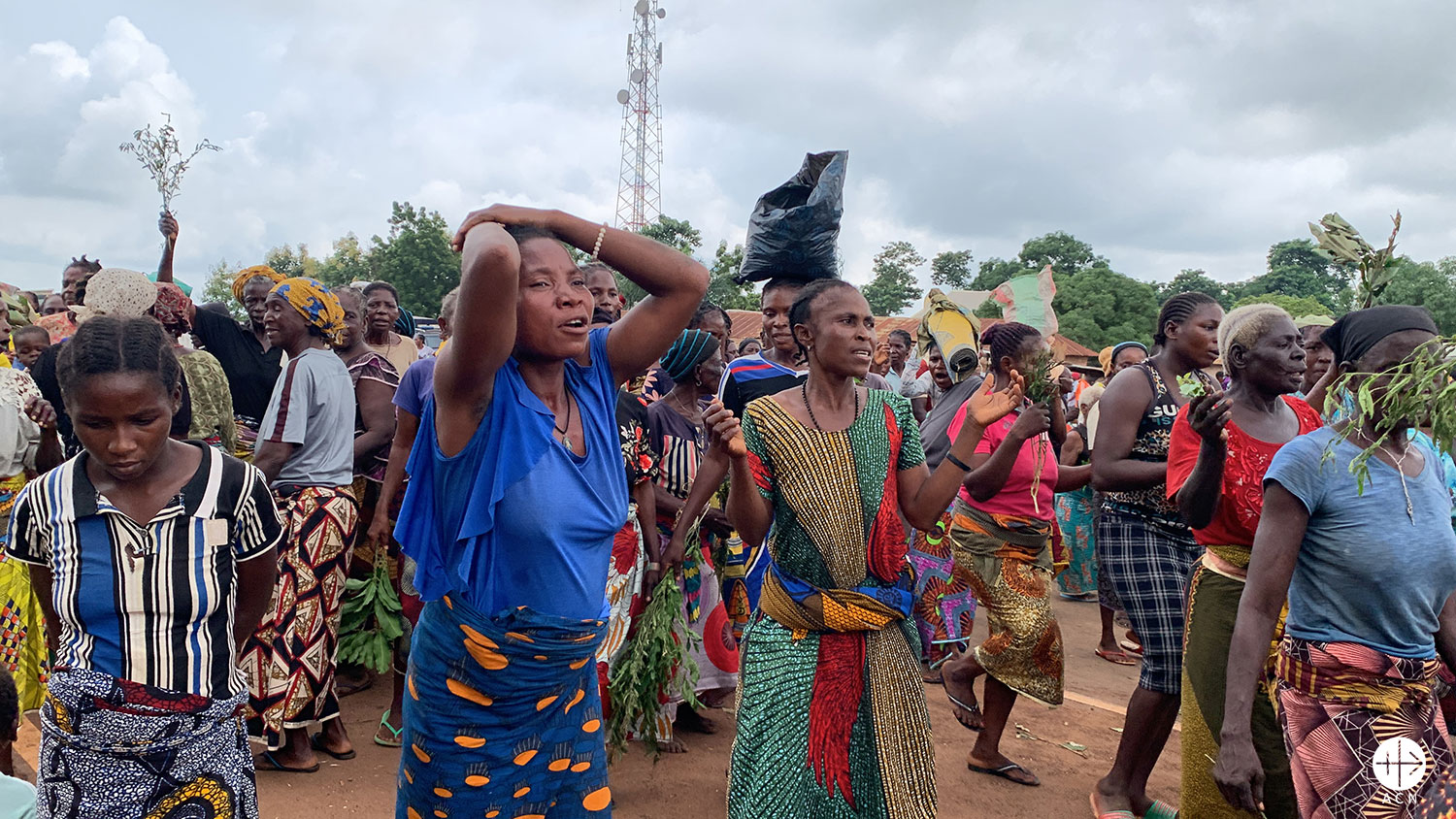
The mass displacement in this region is due to violent attacks by radicalized Fulani nomadic herders seeking to use the fertile land for grazing. Most of the herders belong to the Fulani ethnic group, which is traditionally Muslim, adding religion as an aggravating factor to an already explosive ethnic and social mix.
One of the areas most affected is Benue State, home to over two million displaced people, 98% of whom are Christians. The Nigerian Government is proposing a resettlement policy, while the local Church prefers to work towards enabling the displaced people to fulfil the desire to return to their ancestral lands. It believes that the resettlement solutions proposed by the Government would be unjust, as they would recognise and perpetuate demographic changes in the disputed lands. The resettlement would also be detrimental to human development.
Father Remigius Ihyula, a priest of the profoundly affected the Diocese of Makurdi tells ACN that “survivors living in camps or host communities have been forced to adopt unsafe coping mechanisms in order to survive, including child labour, prostitution and child marriage. We have also seen an increase in drug use and trafficking.”
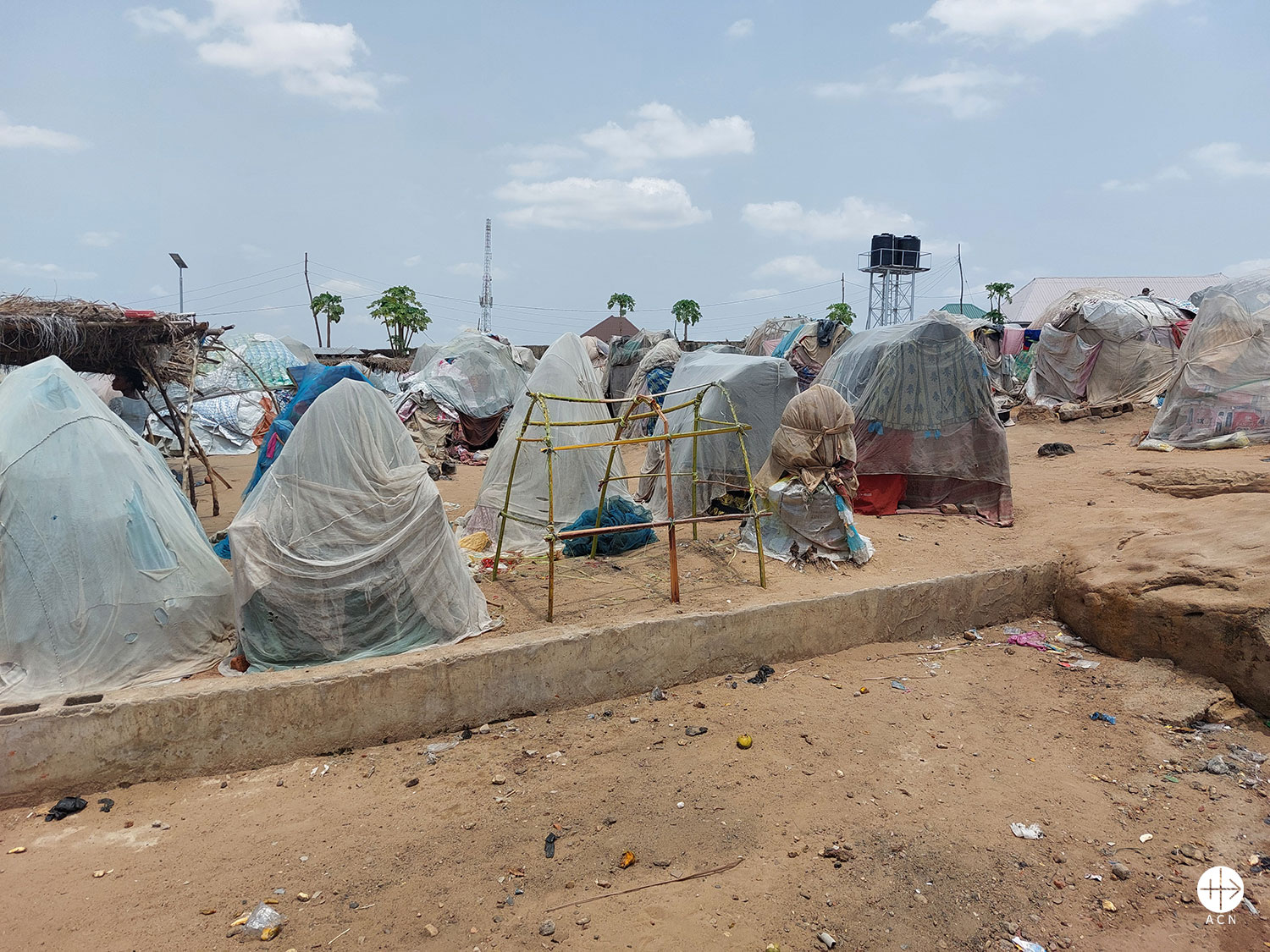
As long as the situation persists, Father Remigius argues, future generations will also be compromised, given the current “school dropout rate of over 90%, the complete absence of healthcare facilities, and the lack of psychosocial support or trauma counselling”.
Although exercising the right of displaced populations to return to their homes may seem difficult, it can be achieved successfully, as ACN knows first-hand.
“In Iraq, ACN and its Church partners made history when, between 2017 and 2019, more than 50% of internally displaced people returned to nine villages in the Nineveh Plains that ISIS had destroyed. This event is clearly remembered by several organisations, with some even referring to Nineveh as the most successful return of internally displaced people in recent history,” says Mark von Riedemann, ACN’s Director of Public Affairs and Religious Freedom.
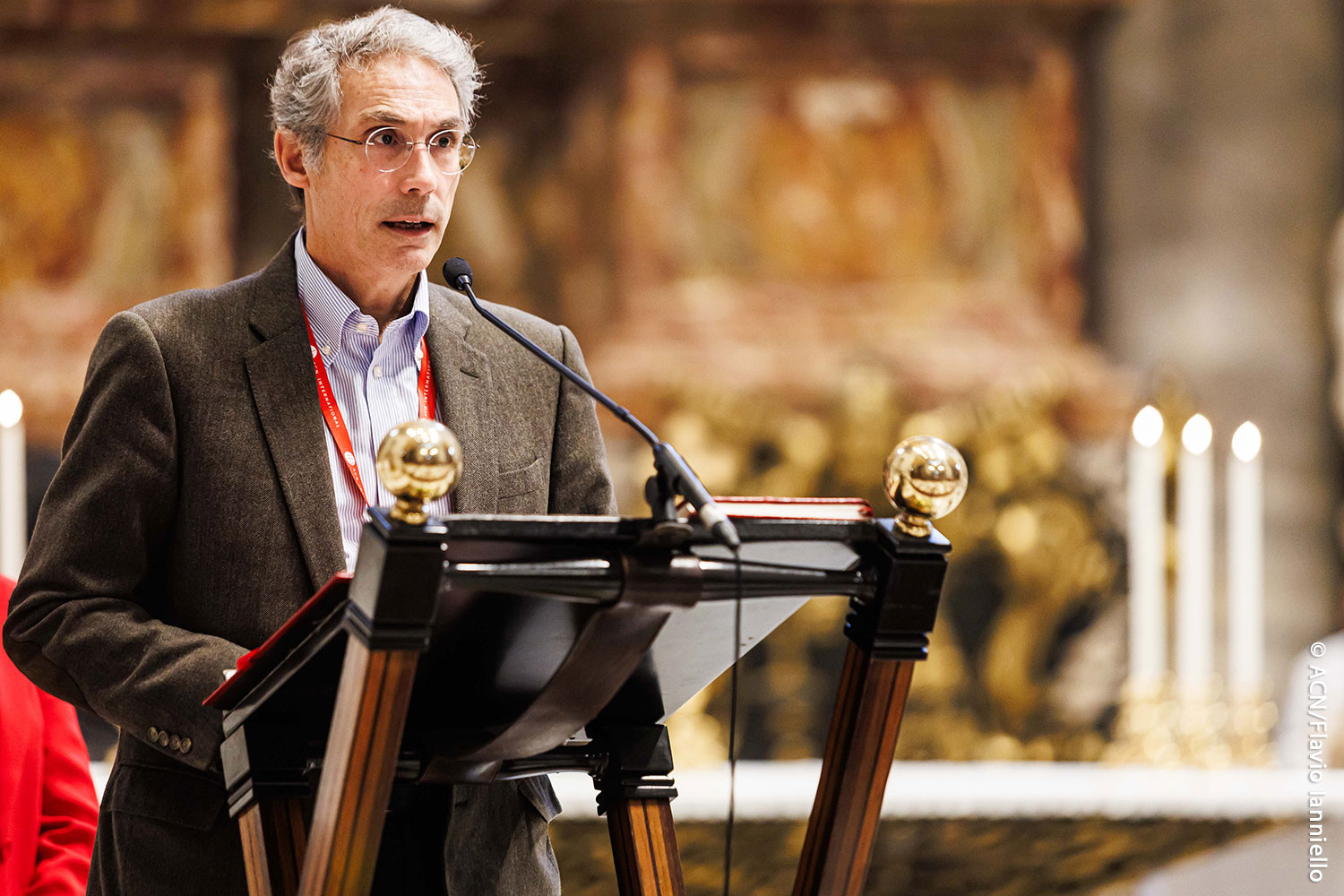
Riedemann believes that the same success could be achieved in Nigeria if, as in Iraq, the Nigerian Government worked closely with local Church structures in the affected areas and received international governmental support. A successful project in Benue could also become a model for other Nigerian regions affected by mass displacement, such as Borno State.
“We must move beyond the ‘camp culture’ and restore the dignity of the people of Benue in order to restore the entire social and economic fabric. The objective is simple: to help our people become self-reliant on the lands of their ancestors, where they have their roots and which they have cultivated for centuries,” concludes Father Remigius.