Venezuela: “We could not survive without the solidarity of Christians worldwide”
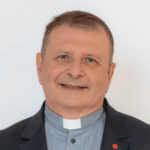
As one of the leading exporters of crude oil, Venezuela was once the most affluent country in South America. Today, the country has reached up to one million per cent inflation and large parts of the population are becoming ever more destitute. During a visit to the German national office of Aid to the Church in Need (ACN), Archbishop Manuel Felipe Díaz Sánchez (63) talked about how the church is working to support the people in need and to contribute to the unity of the country. Archbishop Sánchez has headed the Archdiocese of Calabozo since 2008; the diocese is located about 300 kilometres south of the capital city of Caracas. The interview was held by Tobias Lehner.

ACN: Venezuela was once one of the most affluent countries in South America. Today, Venezuela has reached up to one million per cent inflation and large parts of the population are becoming ever more destitute. How are the people affected by the crisis in concrete terms?
Archbishop Manuel Felipe Díaz Sánchez: Here is an example that can be seen on a daily basis: somebody goes into a store and asks how much a specific item of food costs. He leaves to go get the money and comes back one hour later – only to learn that the price has in the meantime gone up. There is a shortage of everything. A lot of people are only living from rice and beans. The situation in the hospitals is especially critical. Medicines are in short supply. In some cases, the patients have to procure them themselves and sell their last valuables in order to do so. Many people see emigration as the only solution.
Numerous reports describe how the situation at the border with Columbia is becoming more and more critical. At times, the border had to be closed. Many people get stuck there because they don’t have the money for travel documents. What do you know about the situation there?
The people are primarily being taken care of by the church. That is the case in Venezuela, but also in Columbia, Ecuador, Peru and Chile, the countries that most of the people emigrate to. The parishes along the border supply food to the people, offer places to stay overnight or medical assistance. They share what little they have. We are very thankful for this solidarity.
Venezuela presents itself as a modern socialist state. Does this make things difficult for the church?
The political system in Venezuela is a colourful amalgamation of different influences: socialist, conservative, saturated with atheistic and spiritualistic ideas and a great deal more. Attempts are regularly made to drive a wedge between the bishops. But without success. At the same time, Chavez and the current president, Nicolás Maduro, have also recognised all the agreements that previous governments have concluded with the Catholic church. This is particularly relevant for the church-run schools. Ten per cent of the schools in Venezuela are owned by the church, including many trade schools. The state of course also profits by this. Many politicians deliberately cultivate the image of being very devout. However, at the same time, state officials no longer attend the ordination ceremonies for bishops. The relationship is quite contradictory.
What about church life?
Seventy-five per cent of Venezuelans are Catholics. They have remained loyal to the faith. I am often told that, of all the institutions in Venezuela, the church has the most credibility. But church life is also affected by the economic crisis: for example, because of the economic situation, it is no longer possible to hold large church events such as youth or family days. And where there are no opportunities to come together, there is also no such thing as a church community! The situation of the priests is dire as well: many suffer from extreme isolation because they are looking after a very large parish by themselves, oft in a rural area. The financial circumstances have made it impossible for them to attend meetings or to even buy what is necessary for survival. In some cases, religious have even had to leave the country because they were no longer able to financially support their monasteries or convents and work.
Is there something that the church in Venezuela can do to relieve the need of the people?
We are not rolling back our efforts in the areas of education and upbringing. We want to give young people an opportunity to build a better future. In some parishes, the priests are distributing medicines that they receive from other countries. The so-called “solidarity pots” are also a very successful initiative. Parish volunteers prepare meals for particularly destitute people from donated food. The people are very grateful for this service because they are well aware that the church is also struggling financially.
What specifically can an organisation such as “Aid to the Church in Need” do to help Venezuela?
I am not used to begging. Which makes me all the more grateful that ACN has offered to help us. The people need help so that they can buy food and medicines. However, there is also a need for pastoral support. Priests and the faithful need to be offered opportunities where they can build up networks and encourage each other. I have already mentioned the diocesan meetings; they are very important. Bibles and materials for catechesis are also in short supply. Provisions for the priests are much needed. Mass stipends are the only source of income for many of them and are crucial for their continued survival.

Recommended