The Central African Republic: an example of reconciliation between Christians and Muslims
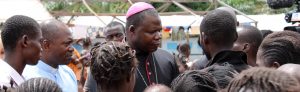
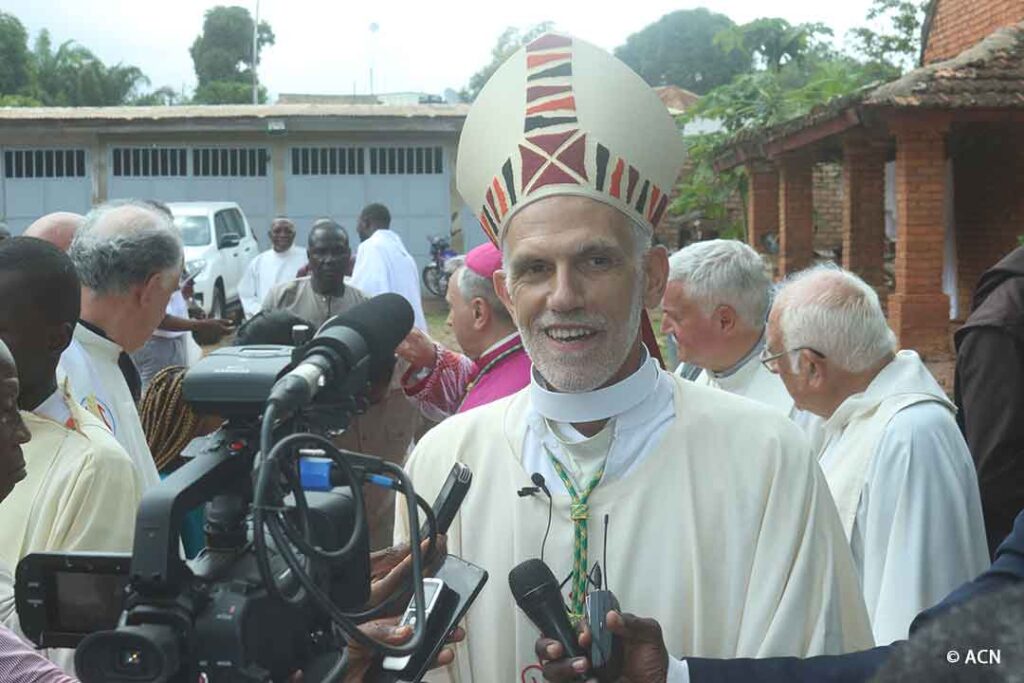
During his visit to the headquarters of the international pontifical foundation Aid to the Church in Need (ACN), Bishop Aurelio Gazzera, who since last year has been Coadjutor Bishop of Bangassou, in the Central African Republic, spoke about the significant progress which has been made in the relationships between Christians and Muslims in the country.
For a long time, the Central African Republic was torn by conflicts between two big militias: Seleka, an alliance of several predominantly Muslim rebel groups, and Anti-Balaka, which was originally formed as a self-defence militia against Seleka and is composed of Christian and animist fighters. Meanwhile there are many armed groups in the country, with changing compositions, which have partly sprouted from the two militias. Although the situation continues to be unstable, current relationships between members of the two religions show that the efforts of everyone who has worked for peace have borne lasting fruit.
“Today the relationships between Christians and Muslims are fairly good. Everyone is very careful not to set a fire. We have learned from history,” says the bishop. “I was deeply moved, when the local imam took part in Christmas Mass in the parish where I celebrated.”
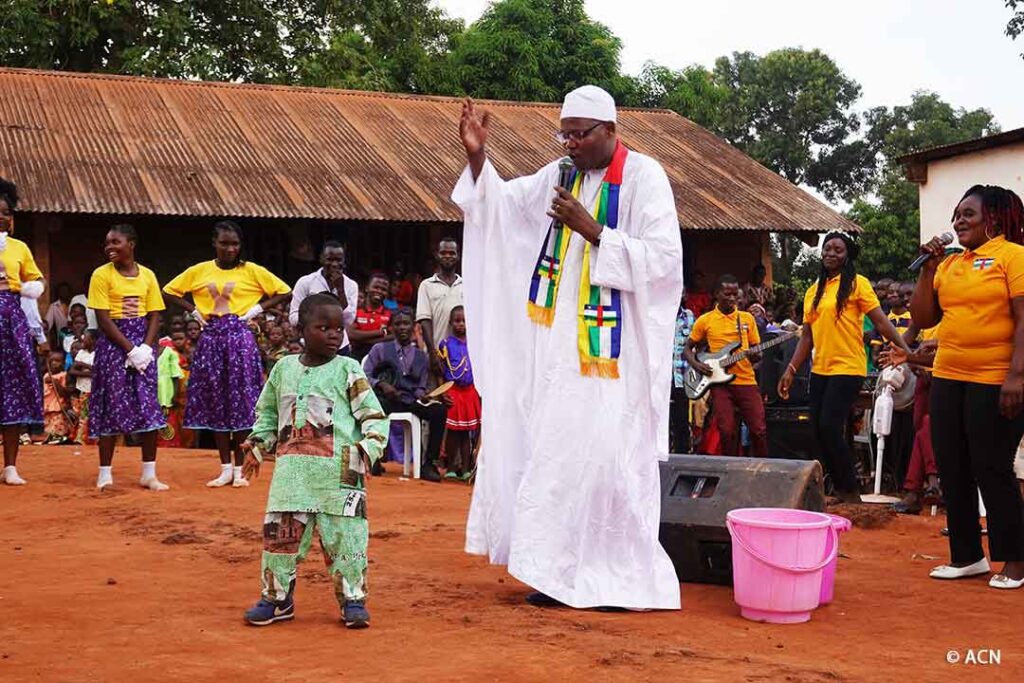
Bishop Gazzera has more than 30 years of missionary experience in the heart of a country marked by war and many tensions. “In 2013 the war was presented as a religious conflict between Muslims and Christians,” he comments, “but that did not correspond to the truth. It was above all an ethnic and political conflict, even if those involved belonged to different religions.”
The bishop remembers the courage shown by many Catholic religious and priests during the war to protect their Muslim brothers, and tells the story of Muslim refugees who were taken in by a religious order. “The Anti-Balaka climbed over the gate of the sisters’ school and seized the refugees who were accommodated there. Thereupon, one of the sisters, at the risk of her life, went to the leader of the militia and said to him: ‘You are a criminal! You have no right to enter a place where there are refugees. You must let them go.’ And he did.”
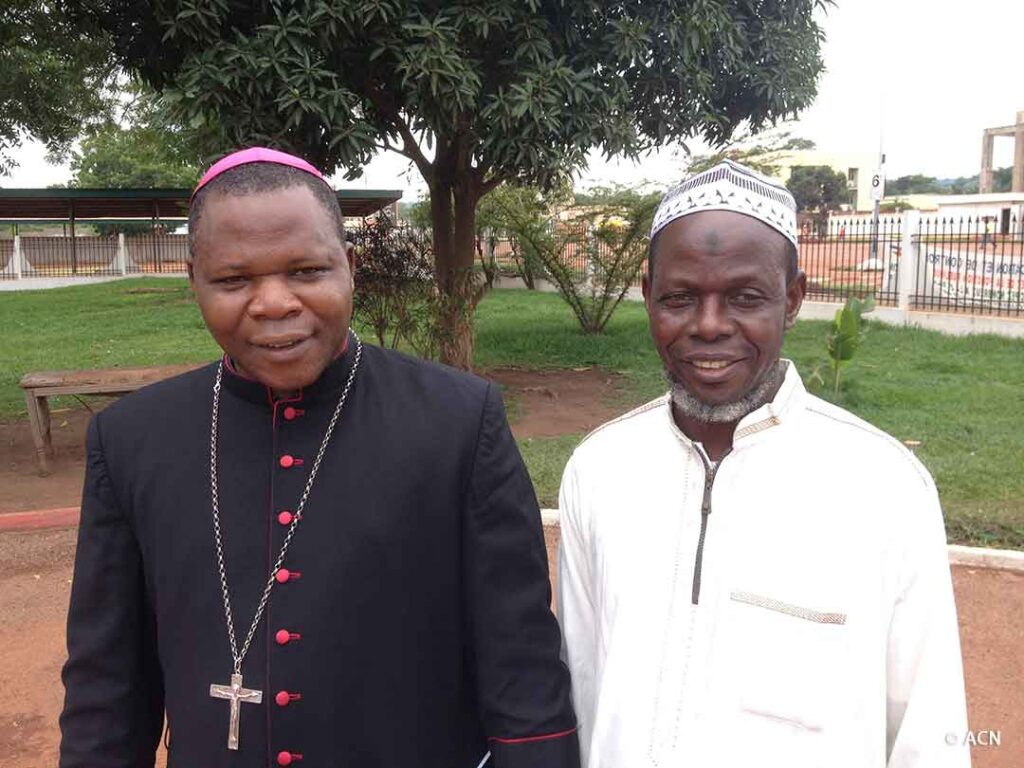
The bishop also highlights the influence Pope Francis’ visit to Bangui ten years ago. At that time the situation was extremely volatile, and there was a pervasive atmosphere of hatred and revenge. Because of the violence which kept erupting, the Pope was strongly advised not to visit the country. “On the day of the Mass in the stadium, 30 November 2015, the entry of Imam Omar Kobine Lamaya, President of the Higher Islamic Council of the Central African Republic, was enthusiastically celebrated by the faithful and was an unforgettable moment of brotherhood. This gesture, together with the Pope’s visit, promoted interreligious dialogue in a time of extreme tensions.”
While the Central African Republic has just celebrated 130 years of evangelisation, Bishop Gazzera expresses his hope for a better future: “My dream is that the Central African Republic will find peace, that her population can live in dignity and solidarity. This country has so much to offer, if we all work together.”
Bishop Gazzera sees the example of Barthélemy Boganda, the first Central African priest and father of the nation, as very important for the country. “Boganda had a great vision for this country. We must remember his motto: unity, dignity and work,” he says.
A message from the Central African bishops, published at the start of the year, places emphasis on valuing the differences between the ethnic groups and religions as “a source of mutual enrichment and, above all, a reflection of the identity of God himself, three Persons with one and the same nature”. In the document the bishops encourage the Church and the nation “to drive out the germs of division and tribalism from their midst”.

Recommended