South Lebanon: Hope of return takes root among the olive trees
As the olive harvest approaches, the residents of Alma el-Chaab hope to obtain permission to work their land. In testimony collected by Aid to the Church in Need (ACN), their parish priest, Maronite Chorbishop Maroun Ghafari, describes the daily reality of a dispersed community trying to prepare for its return.
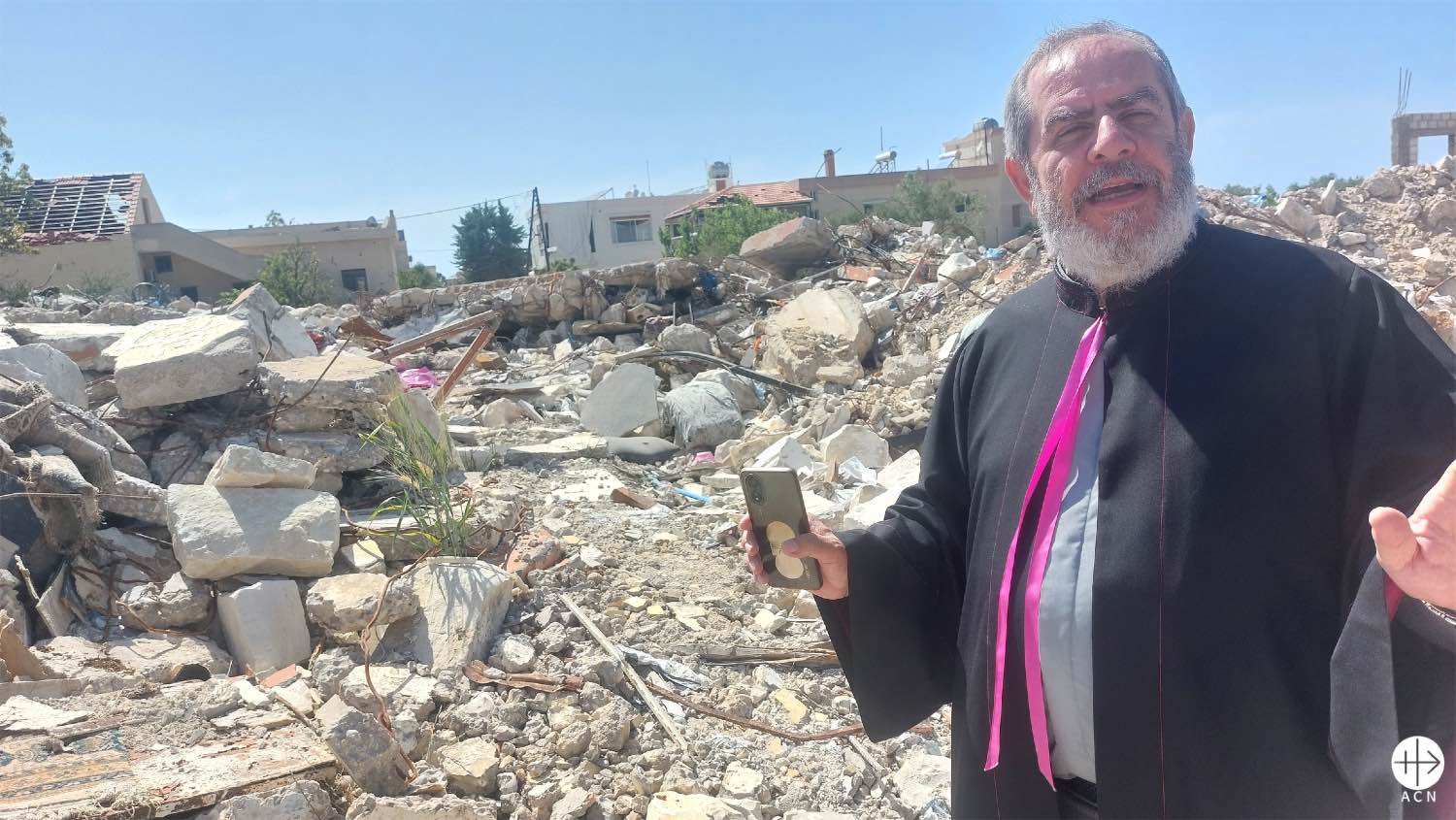
More than six months after their forced displacement from Alma el-Chaab, the residents of this village in southern Lebanon remain deeply attached to their land. In September, around ten farmers obtained limited permission to clean their olive groves and clear overgrown plots. They now hope to receive a new authorisation allowing them to harvest their olives, with the picking season expected to begin after mid-October.
In the region, some olive groves and agricultural lands were destroyed or severely damaged during the conflict. During its most recent visit in May 2025, an ACN delegation witnessed this firsthand. For many families in the south, the uncertainty concerns not only whether they will be allowed to harvest, but also whether they will find trees still capable of producing fruit.
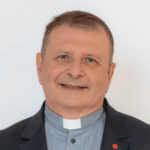
For the people of Alma el-Chaab, the significance of the harvest goes beyond agriculture, as it would represent a first step toward returning home. “If this stage succeeds, we will be moving along the path we hope to follow,” explains their parish priest, Chorbishop Maroun Ghafari. For now, however, they are still not permitted to return to live in their village and remain displaced across different regions of Lebanon.
A community dispersed yet united in prayer
While the olive trees nurture the common hope of returning home, prayer sustains it, remaining at the heart of the life of the dispersed community of Alma el-Chaab. For Fr Ghafari, “prayer in general, and especially the rosary, remains the strongest spiritual weapon for facing visible and invisible enemies.”
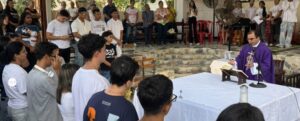
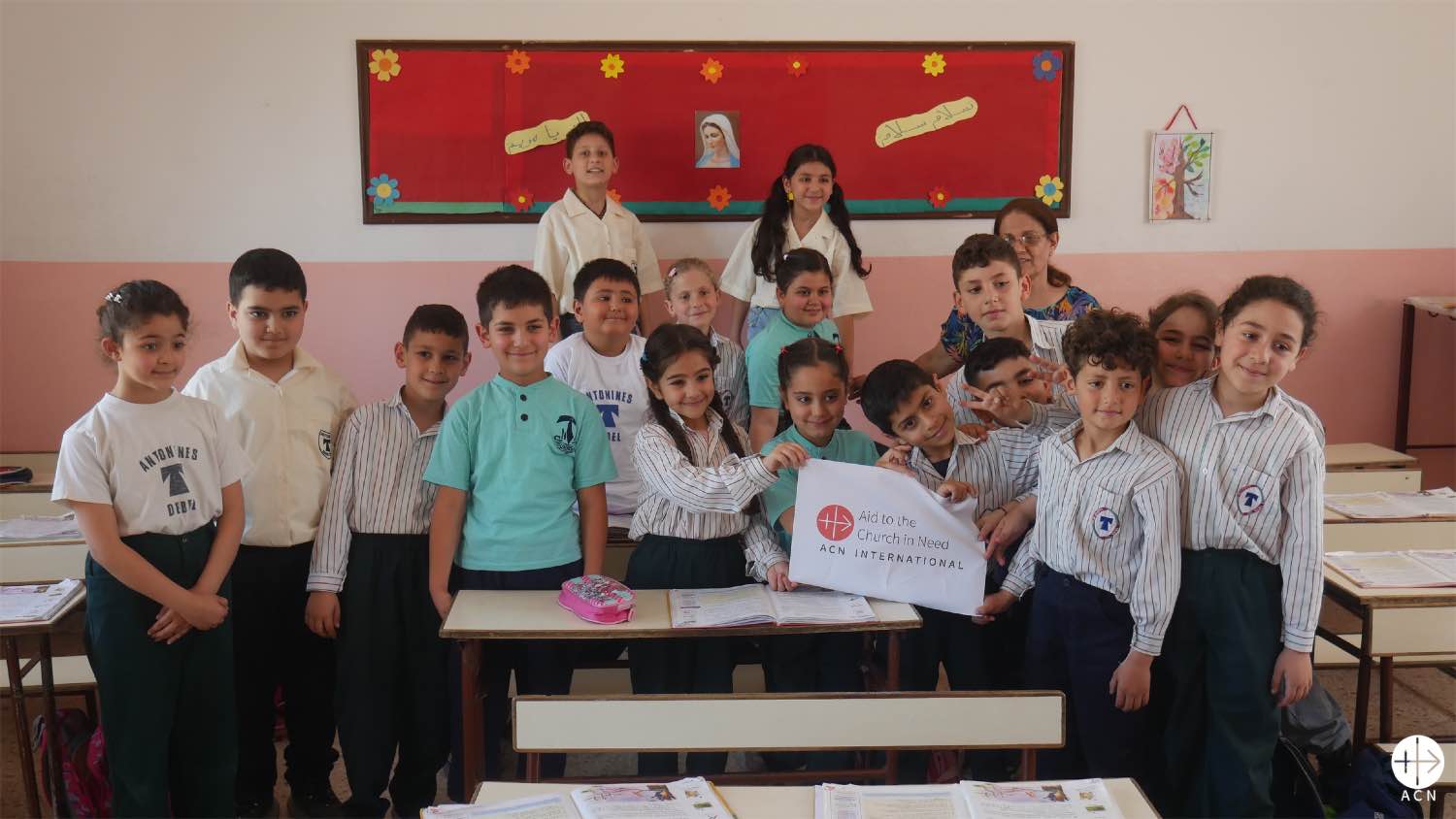
Last year, students at the School of the Sisters of the Holy Family participated in ACN’s “One Million Children Praying the Rosary” initiative. Although the school was closed for the 2026–2027 academic year by decision of the congregation, the students, now dispersed among different schools throughout the country, can still join the prayer campaign from 1 to 7 October wherever it is being held.
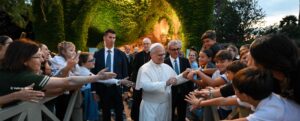
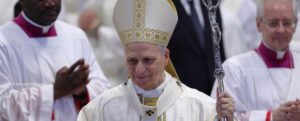
On 1 October, the first day of the month traditionally dedicated to the Rosary, Pope Leo XIV joined hundreds of children in the Vatican Gardens to pray for peace and unity, including for the families of Lebanon. In Alma el-Chaab, where olive trees are central to both daily life and attachment to the land, their symbolism as a sign of peace resonates deeply with this rosary prayer.
Between a smile and a tear
For the villagers, the return of peace is inseparable from the hope of being able to return home. Some were even able to revisit the village briefly during the summer.
Thanks to a coordinated effort involving several organisations and local stakeholders, weekly visits were organised in July and August. Around 50 people were able to participate in supervised convoys. The joy of seeing their homes again was sometimes mixed with the pain of witnessing the damage.
“Between a smile and a tear, these visits summarise part of what we are living through,” says Fr Ghafari.
No visits of this kind could be organised in September because of the situation on the ground.
“Our destiny should be similar to that of the Christian villages in the South that continue to hold fast to their land,” says the parish priest of Alma el-Chaab, referring to Rmeich, Debel and Ain Ebel.
According to him, around one hundred people would be ready to go back. However, their return remains dependent on a political decision and on access to essential necessities such as food, medicine, drinking water, basic supplies, fuel and financial support.
Residents who return may also be required to remain within a strictly defined geographical area and may not be permitted to move freely. In certain circumstances, even travel for medical emergencies could be subject to specific procedures. The parish is therefore working to secure a safe corridor for such situations.
In the meantime, residents are trying to continue their lives away from the village.
“Without Divine Providence, the displaced families would have died of hunger,” Fr Ghafari says.
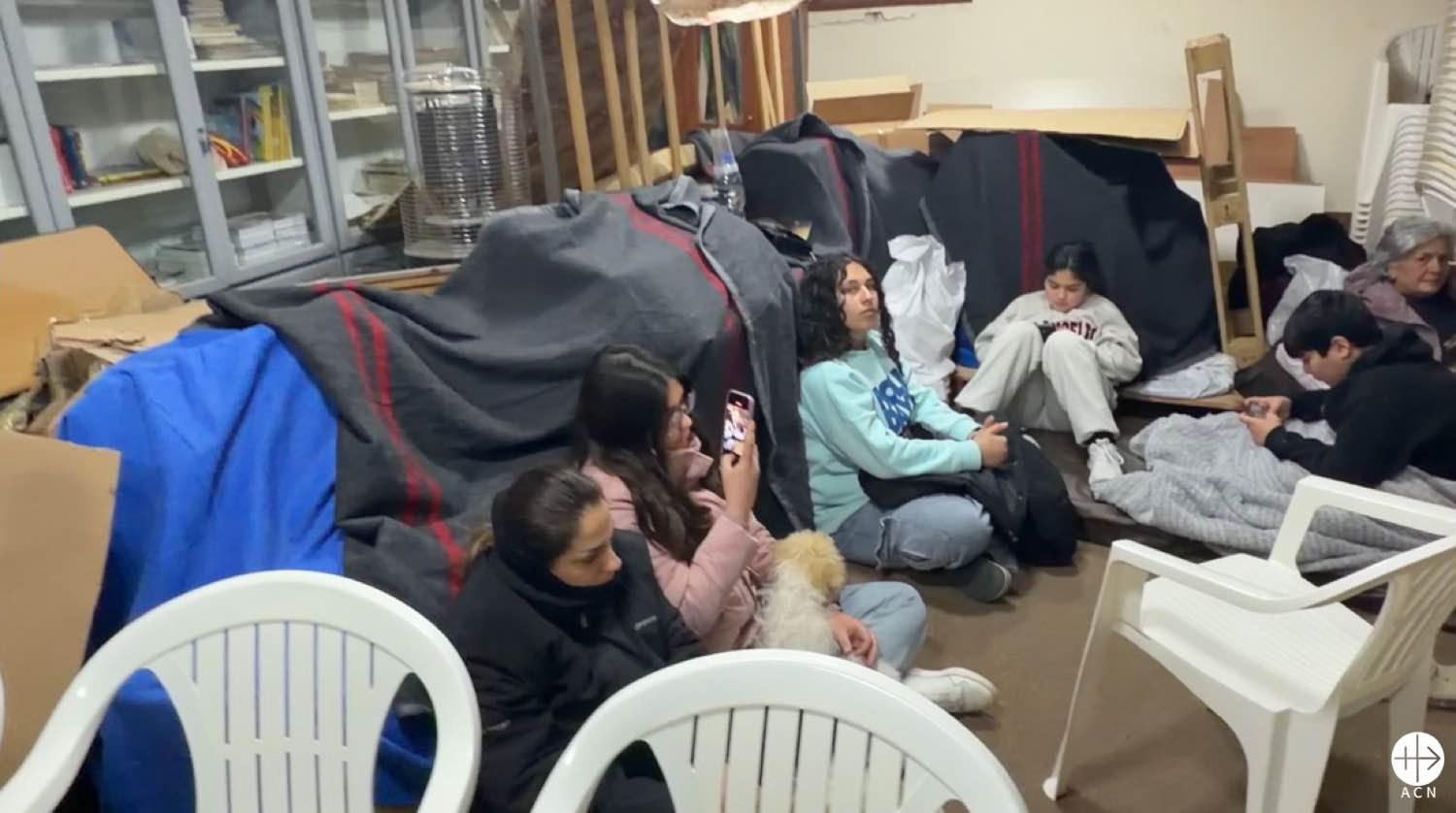
After more than six months of displacement, financial difficulties are immense. Food, rent, school fees and medicines represent major burdens. Public assistance remains limited, and food parcel distributions to the poorest families are becoming increasingly rare, explains the Maronite chorbishop.
The parish is working with the village crisis committee to obtain support, even if only partial, for school pupils and university students. As for ACN, the pontifical foundation continues to support families in the region, particularly through programmes that help children remain in education.

Recommended