Nigeria: No justice for 300 people massacred on Christmas Eve
Three weeks after extremists murdered more than 300 people, burnt down entire villages and destroyed food supplies in coordinated attacks in Nigeria’s Plateau State, none of the perpetrators have been held to account.

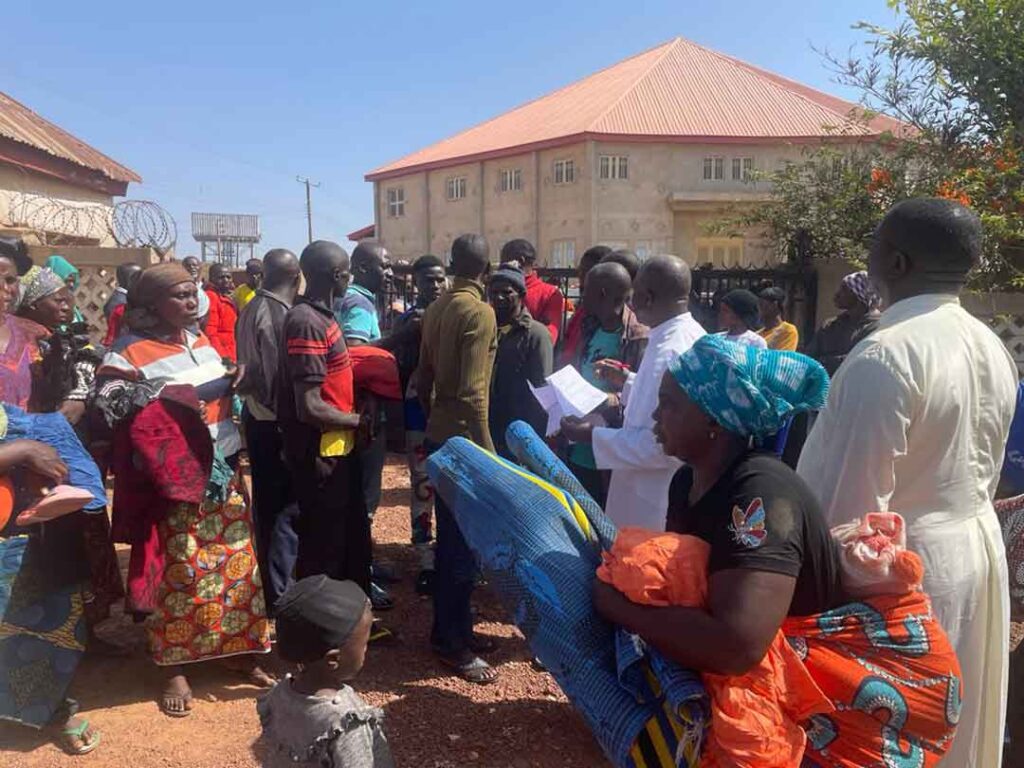
Masara Kim, a local journalist whose cousin was killed, told Catholic charity Aid to the Church in Need (ACN) that hundreds of raiders stormed more than 30 villages – at least 20 of those simultaneously – on Christmas Eve 2023, shooting at people with machine guns and setting houses on fire. Thousands were displaced after losing their homes and property. Many of them are staying at Church buildings, according to Father Andrew Dewan, director of communications in Pankshin Diocese where most of the attacks took place.
Father Dewan told ACN: “There are up to 16 IDP camps in Bokkos town, mostly within Church premises. In situations like this, people often rush to churches, rather than to police stations, because they don’t have confidence in government institutions.”
He said that there have been mores murders in the area in the last 24 hours and that people are not feeling safe, with “the same old members of the security forces patrolling occasionally who did not fire a bullet during the attacks”.
Father Dewan added: “We have heard of some arrests but no prosecution, much to the frustration of survivors and victims’ families. We are used to this charade – attackers are often arrested and later set free. Politicians give speeches that contain no grain of truth. They make promises and pledges of rehabilitating and reinstating all those displaced back to their ancestral homes, but that is often not the case.”
He said that some farmers went back to the fields after the attacks and “saw Fulani herdsmen destroying their harvest and other food products”. Father Dewan and other local sources told ACN that the extremists burnt down many farms and food barns, causing a severe food shortage.

He explained: “The existing situation of hunger and famine has been aggravated by these attacks. During the last farming season, many farmers could not go to their farms because of previous attacks. Those who managed to farm and harvest their crops have found that everything was burnt to ashes in this last episode of attacks.”
Father Dewan said that the terrorists targeted Christian communities specifically – therefore, he finds the narrative presenting the massacre as merely a conflict over land between herders and farmers with no religious component “ludicrous”.
He stressed: “To say that what happened was a clash between farmers and herders is to suggest that only farmers working on their farms were attacked. People were at home, it was in the evening. It was on Sunday – people don’t work on farms on Sunday. Ninety-nine percent of those killed were at home. Some people were killed in their sleep.”
Local sources said that many of the victims were women and children. Jalang Mandong, a survivor who lost 10 relatives in the massacre, claimed the attacks were designed to “target Christians” and “disrupt the celebration of Christmas”, while also attempting to “take over the lands of these communities”.
Mr Mandong said that he and some other villagers initially attempted to defend their families but were outnumbered by the militants and had no weapons to fight back with against the gunmen.
Father Dewan said that there were similarities between the situation in Nigeria today and the experience of the first generation of Christians. He said: “We draw parallels with the stories of the early Church about how Christians were persecuted, as contained in the Acts of the Apostles. Our task is to keep preaching and spreading hope, believing that someday things will be better.”
By Amy Balog.

Recommended