Nigeria: “Holy Week for us is not history, it is reality. My people are living an exodus”
The bishop of Wukari tells ACN about the suffering of his people and says that the federal government of Nigeria must do more to stop violence.
The Diocese of Wukari, in Taraba State, in Nigeria’s Middle Belt, is experiencing a severe security crisis caused by armed groups composed mostly of the Fulani ethnic group.
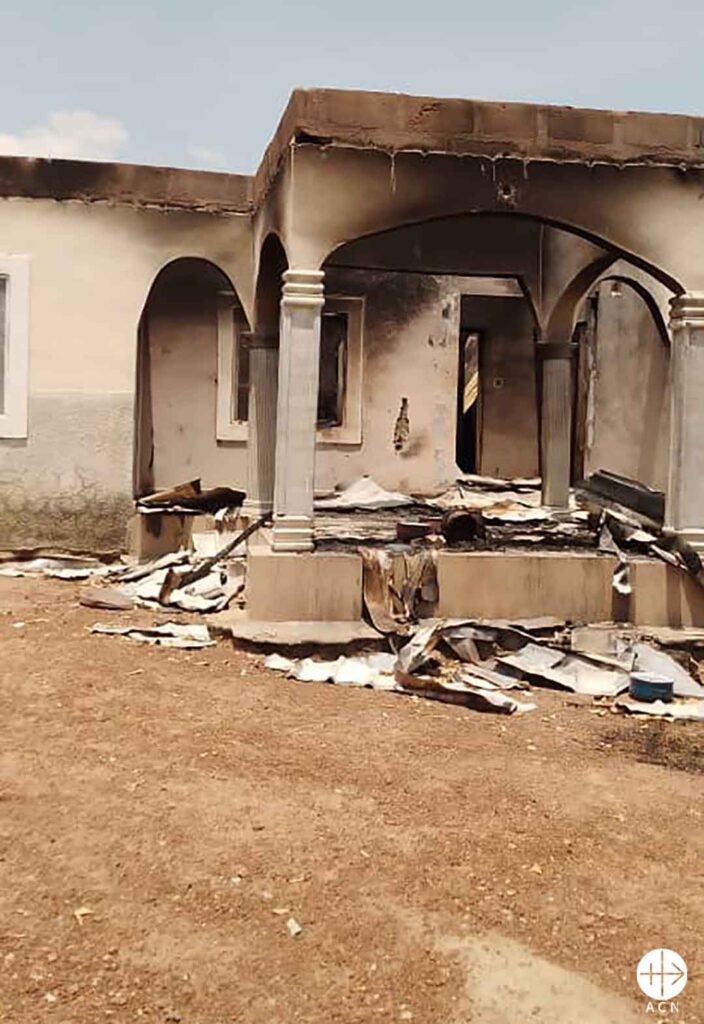
“In recent weeks, more than seven presbyteries and priests’ residences have been attacked and vandalised, a figure that far exceeds the two attacks previously recorded, highlighting a worrying escalation of violence,” explains Bishop Mark Nzukwein of Wukari Diocese in an interview with Aid to the Church in Need (ACN).
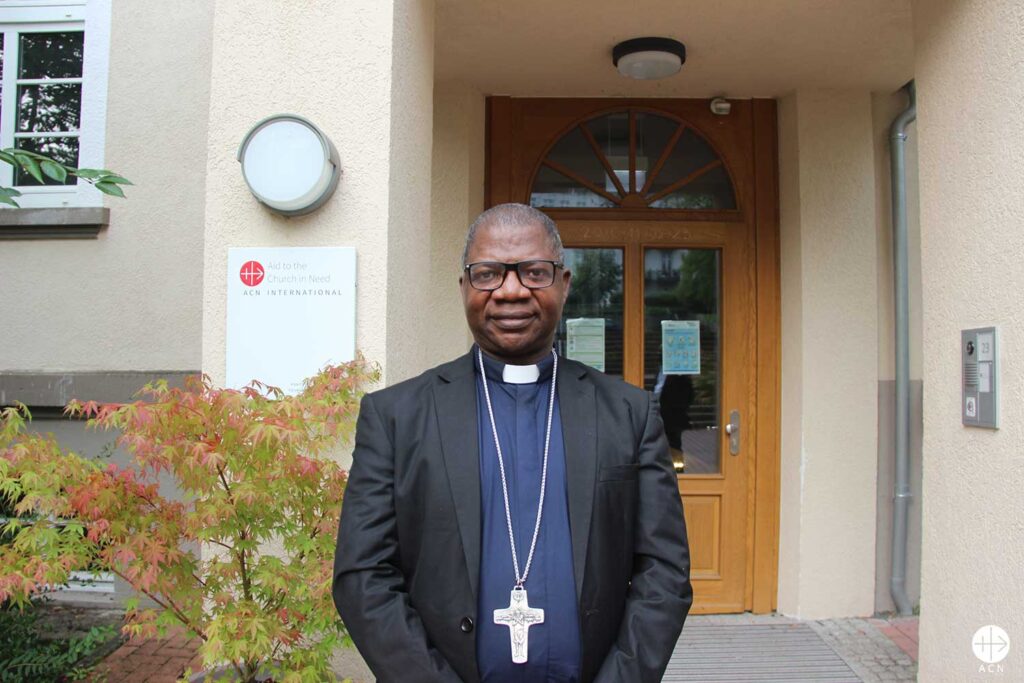
“There have been no injuries, as the presbyteries and surrounding areas had been evacuated beforehand due to the threats they had received,” the bishop adds.
According to the prelate, these attacks appear to be linked to peaceful demonstrations held on February 12, 2026 by priests, religious, and lay faithful of the diocese, following the killing of 80 faithful and attacks on more than 200 communities in previous weeks, including churches and places of prayer.
“The demonstration was a sign of solidarity and a protest against the lack of security. Our diocese is besieged by violence from ethnic Fulani militias attacking the population, creating a major tragedy across Taraba,” the bishop explains.
The current situation in the diocese remains extremely alarming, thus creating fear and anxiety among the local population. “Local security forces are doing what they can, but the number of bandits is enormous. We know they are regrouping, so we have warned the population of further attacks. The military are overwhelmed. The Fulani armed assailants are far more numerous,” he told ACN.
The bishop also denounces the lack of justice: “We do not know who they are, where they come from, or who sponsors them, but the federal government must act. There are no arrests, no accountability. The impunity is discouraging.”
Bishop Mark Nzukwein describes the constant debilitating fear which affects the population: “They are playing with people’s lives. You are not safe anywhere. You don’t know what will happen the next moment. The only thing that can protect you is prayer. It is a great tragedy that we do not feel safe in our own country.”
“My people are living an exodus”
The violence has triggered a massive flight. Currently, more than 90,000 faithful have been displaced. “My people are experiencing an exodus. I see them constantly on the move with their belongings from one place to another,” the bishop laments.
Many displaced persons refuse to go to refugee camps, fearing they will be forgotten or become easy targets. “They do not want to go to the camps because they are forgotten there, like parked and abandoned. With the rainy season approaching, conditions will become even worse. They also fear being attacked in the camps because they present an easier and larger target. Many prefer to stay with relatives,” he explains.
The humanitarian crisis is worsening due to food shortages and the disruption of education. “The future of young people is being destroyed, and this fuels a vicious cycle, because thousands of young people without education can easily be recruited into criminal activities. But who cares about these lives? Who will care if they die?” the bishop asks.
“Holy Week is incarnated in my people”
Despite the suffering, Bishop Nzukwein finds hope in the faith of his people: “When I see them praying, when I celebrate Mass with them, I am filled with hope. But we are carrying a very heavy burden. Our people are suffering a calvary.”
Faith remains the community’s only support. “With God’s help we continue carrying our cross. We are part of the martyrdom of the 21st century. We are ready to take up the cross if that is what God wants.”
As if the violence were not enough, the diocese recently lost its cathedral, which was destroyed by a fire caused by an electrical power surge on March 4, 2026. Though efforts were made to put out the fire, the building was reduced to ashes.
“Humanly speaking, it seems that everything is being taken away from us,” the bishop says. However, he highlights the solidarity of his people: “Even the poorest come to me and say, ‘I will give the little I have.’ Protestant and Muslim friends are also offering help. Faith is not in stones; it is in people.”
Reflecting on this liturgical season, Bishop Nzukwein adds: “Holy Week for us is not a historical event, it is life itself; it is incarnated in my people. We are being tested, and it is a privilege. We see the world becoming fragmented, and one of those places is my diocese.”
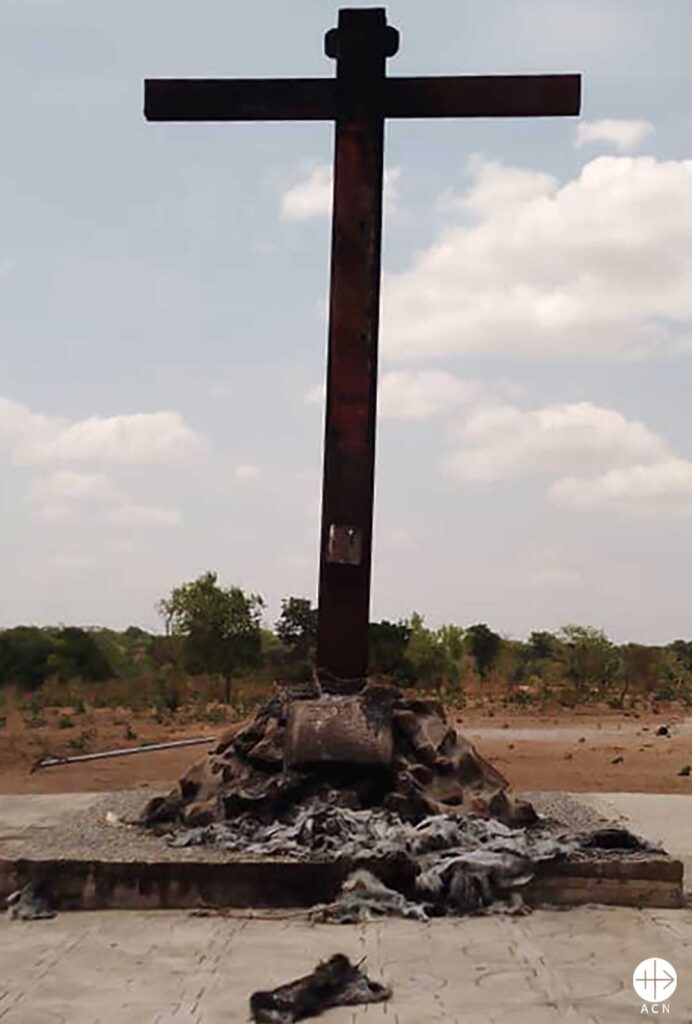
The bishop also shared a powerful image symbolising his community’s suffering: “A priest placed a cross in one of the abandoned presbyteries as a symbol of our suffering. But that presbytery was also vandalized, and they even tried to burn the cross.”
Aid to the Church in Need (ACN) supports the Diocese of Wukari with pastoral and emergency assistance to accompany the local Church amid this grave crisis.