Niger: “They may have guns, but we have Jesus!”
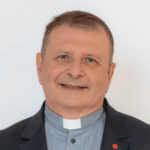
“Less than one per cent of the about 15 million inhabitants of the diocese of Maradi are Christians,” reported Bishop Ambroise Ouédraogo in an interview with ACN International. The 70-year-old cleric is the first and to date only bishop of the diocese of Maradi, one of two dioceses in Niger, a landlocked country in western Africa.
For years, the about 5,000 to 6,000 Catholics in his diocese coexisted in most part safely with the majority Muslim population, the bishop continued. “That changed in 2015, when caricatures critical of Islam published by the French satirical newspaper Charlie Hebdo unleashed a wave of violence.” Within a few hours, at least ten Christians were killed and over 70 churches and other Christian institutions were destroyed in the numerous riots that broke out across the country. About 80 per cent of the Christian churches in the country were targeted – particularly those in the regions of Niamey and Zinder.

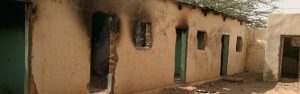
“Christians deeply feared the radical Islamic fundamentalists. And still do as time and again, at irregular intervals, incidents are directed against Christians,” reported Bishop Ouédraogo. Only two weeks ago in his diocese, the Protestant church in Maradi was set on fire by radical groups who were protesting the incarceration of an imam. He had been arrested after speaking out in his sermons against a draft law for stricter regulation of funding sources for the construction and operation of private places of worship. In spite of the demonstrations, the law was passed by parliament on Monday, June 17.

Sister Marie Catherine Kingbo is living eight kilometres from Maradi, the scene of the most recent attack, with her congregation, the “Fraternité des Servantes du Christ“ (Fraternity of the Servants of Christ). In an interview with ACN she said, “We expected attacks, but we did not think that they would be triggered by a draft law.” The situation in Niger has changed beyond recognition since she came to the country 15 years ago. At that time, hardly any tensions existed between the religions, she explained. “Now I hear even Muslims say that there are too many mosques and Quran schools, and not enough wells and hospitals,” Sister Catherine continued. Her congregation and the pupils that she teaches are under constant police protection for fear of Islamist attacks. “The evil that was unleashed in Libya, Syria and other countries in northern Africa and the Middle East is spreading like an accelerant here as well,” she deplored.

But it is not only evil that is spreading, but also good, Sister Catherine is convinced. Her religious order organises many campaigns for the benefit of society. The sisters help women in need, but also organise an encounter between Christians and Muslims each year. In 2006, the first of these interreligious conferences took place with 28 people. By 2018, the number had grown to 350. Relations with local imams and neighbours are good, Sister Catherine said. Which is why she will not even consider cutting back her efforts out of fear of extremist attacks. “We will not go. They may have guns, but we have Jesus!”
Bishop Ouédraogo feels the same way. He has never called the cooperation and dialogue with Muslims into question. “Many Muslims find the current situation absolutely disgraceful and show solidarity for the Christians,” the bishop insisted. “95 to 98 per cent of the pupils at our institutions are Muslims and Caritas also carries out projects in regions which are almost exclusively Muslim. We do not discriminate. And this will remain so.”
The pontifical foundation Aid to the Church in Need (ACN) has been supporting the Church in Niger for many years and has approved funding in such areas as the formation of faith and to help priests in the country secure a means of subsistence.