Lebanon: 7,465 children and young people find refuge from war in ACN-funded summer camps
In Lebanon today, organising a few days of activities for children and young people has become an obstacle course. Yet, for the local Church, these camps are more necessary than ever.
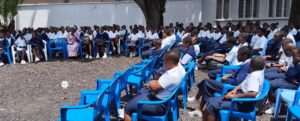
This summer, the pontifical foundation Aid to the Church in Need (ACN) is funding 61 camps in different regions of Lebanon, benefiting 7,465 children and young people. Local dioceses, parishes and Church movements are responsible for organising the camps and accompanying the participants.
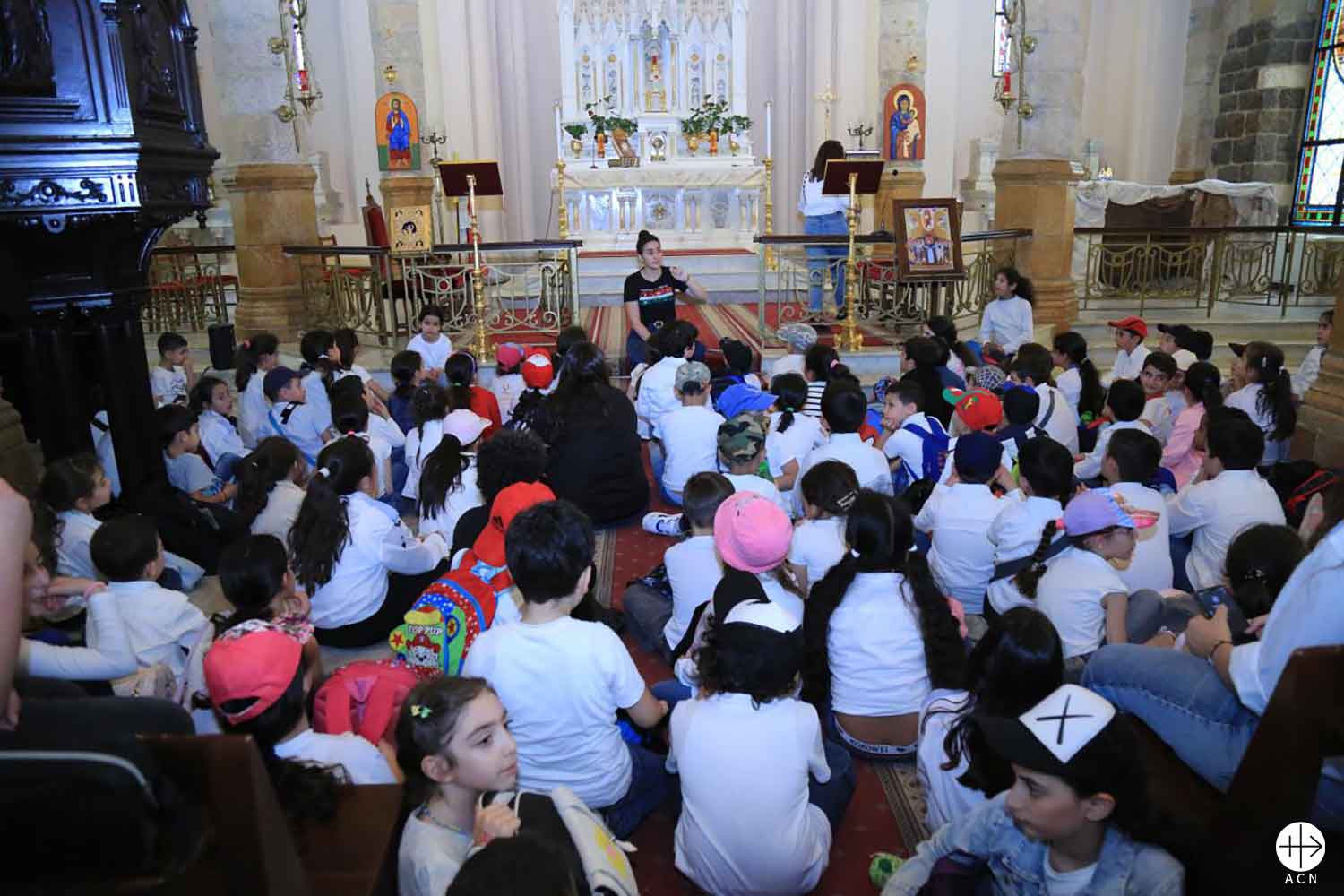
The initiative forms part of an international programme through which ACN is funding 407 camps in 11 countries affected by war, displacement, poverty or instability. Lebanon has the second-highest number of participants, after Syria.
In the Melkite Greek Catholic Archeparchy of Saida and Deir El Qamar, in southern Lebanon, organising these gatherings requires constant adaptation to an unpredictable security situation.
“The first venue we had booked was in Joun, in the Chouf district, and could be reached via Saida. With the war, we found ourselves at an impasse: we had to cancel the booking, begin searching for another suitable place — an almost impossible task — and wonder until the very last moment whether there would actually be a camp this year,” Joelle Feghali, a member of the Marian Apostolic Movement (MAM), told ACN.
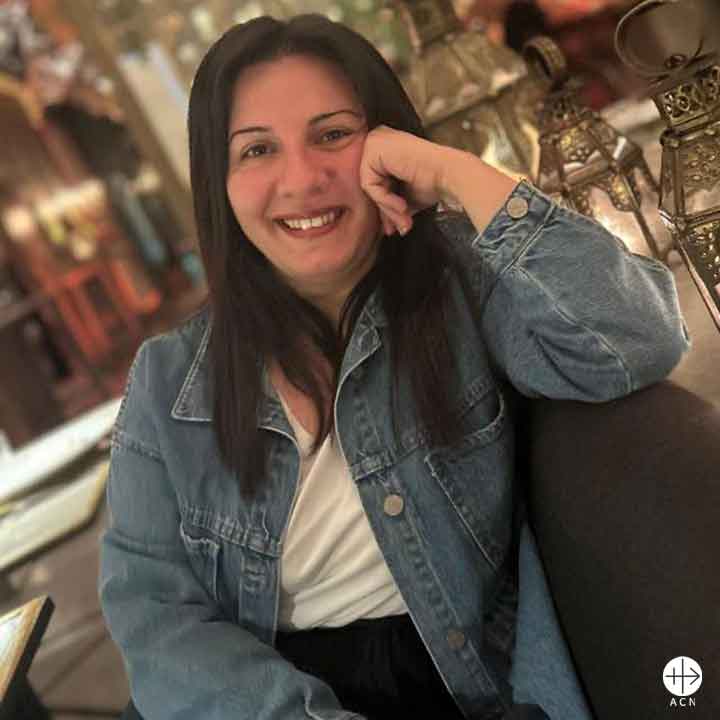
“We had to start all the preparations again from scratch,” she continued. “Organising a camp has become a journey filled with obstacles, major decisions that must be taken urgently and challenges that can appear never-ending.”
In addition to the logistical difficulties, there is the exhaustion experienced by the leaders and volunteers themselves, who must carry out their duties despite facing the same economic, family and security uncertainties as the rest of the population.
“We have to remind the leaders of the deeper meaning of their vocation,” Feghali said. “It is a commitment to which they remain profoundly attached, but one which can sometimes become difficult to bear.”
Wounds that are not always visible
The 2024 war caused mass displacement as well as severe material and emotional damage. Before many children had time to recover, the new escalation that began in March 2026 once again forced hundreds of thousands of families to flee their homes. The repeated violence and displacement deepened children’s psychological wounds.
Those responsible for the Marian Apostolic Movement are witnesses to these consequences. Feghali reports a worrying increase in anxiety, isolation, sleep disorders and fear of loud noises.
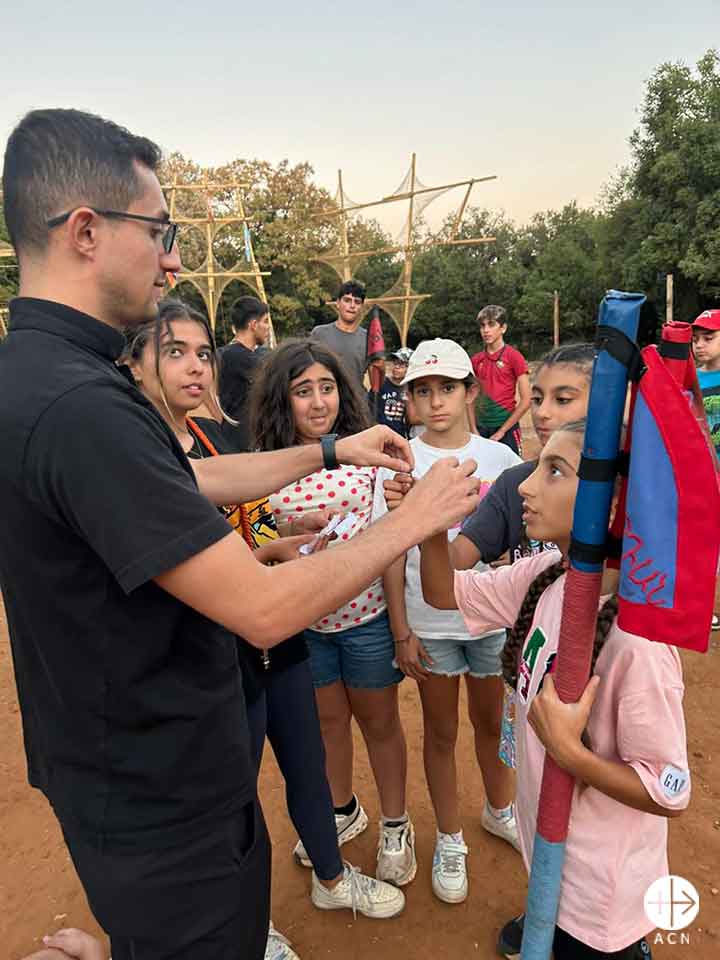
“Children and young people today carry deep wounds,” she said. “Loneliness, discouragement and a lack of motivation have become part of their daily lives.”
The movement has also observed situations of self-harm, suicidal thoughts, dependence on medication and an increase in psychosomatic disorders. Some young people cannot attend the camps because they have to work to pay for their studies or support their families financially. In other cases, parents do not allow them to participate because they fear a further deterioration in the security situation.
“A place where they can breathe”
Against this background, the camps are not merely recreational activities. They provide a safe environment in which participants can express their fears, regain a sense of routine, build relationships of trust and discover that they are not alone.
“They tell children and young people that they are loved and valued, and that they have a right to safety, joy and hope,” Feghali explained. “They help them discover that, despite the hardships, they are capable of dreaming, taking action and contributing to the rebuilding of their Church, their society and their wounded country.”
Jennifer Hajj, vice-president of the Marian Apostolic Movement, has spent several years organising and leading these gatherings. She says that many children arrive withdrawn and burdened by fears they are not always able to put into words.
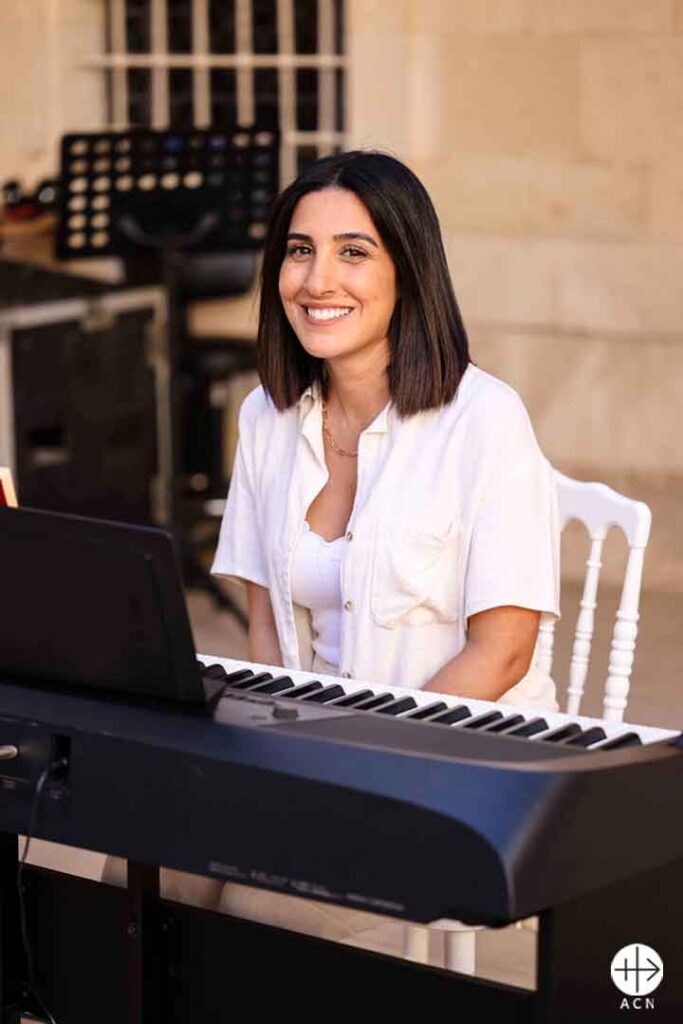
“Many have grown up in a climate of anxiety, fear and insecurity. Some have been directly affected by the conflicts, while others live with the consequences of the economic difficulties weighing upon their families,” she said. “Even when they do not express their suffering in words, it can be seen in their eyes, their silences and their behaviour.”
Hajj says that the days spent together can bring about a visible change.
“As the days pass, we often witness a genuine transformation. Children and teenagers who were withdrawn gradually begin to smile again. They make new friends, regain confidence in themselves and discover that they are welcomed, listened to and loved.”
“The camps offer them a place where they can finally breathe, laugh, play, pray and recover a sense of security that is sometimes no longer present in their daily lives,” she added.
The MAM leader is convinced that even a brief experience can have a lasting impact: “Every camp strengthens my conviction that just a few days can change a life. Seeing a child or teenager leave happier, calmer and filled with hope reminds us that every effort, every sacrifice and every hour devoted to this mission is worthwhile.”
Support that continues throughout the year
Pastoral care does not end when the participants return home. Throughout the year, the Marian Apostolic Movement continues to hold weekly meetings and personal encounters, while its leaders provide ongoing support.
“In a context in which so many forms of ‘death’ — discouragement, loneliness, loss of meaning, despair and addiction — seem to be gaining ground, we choose to keep our eyes fixed on the risen Christ, who conquered death,” Feghali explained.
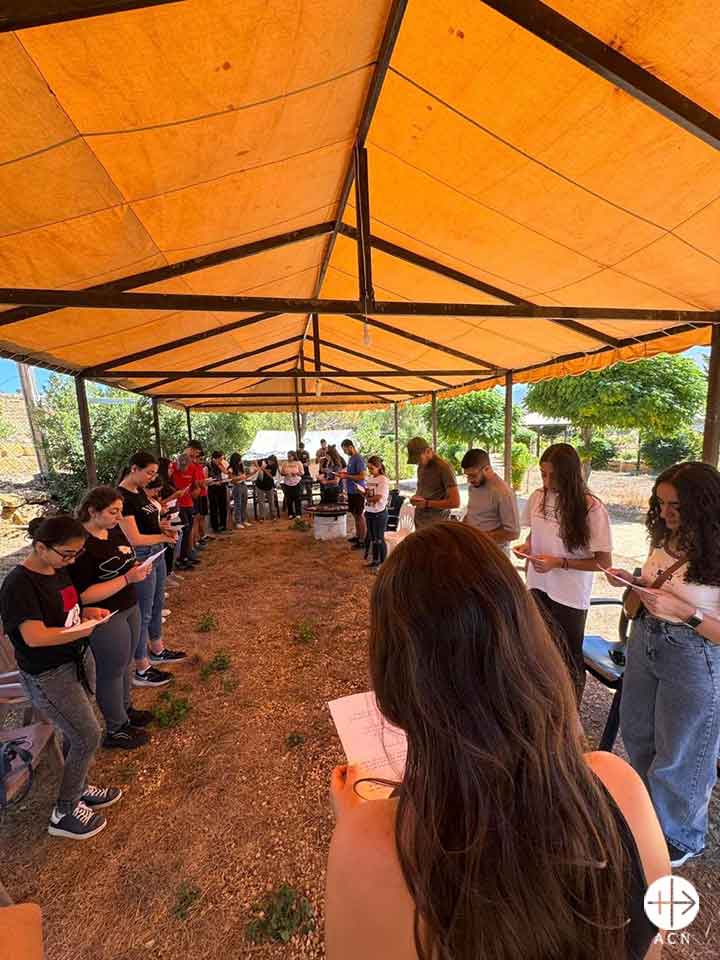
“In Him, young people discover that no night lasts for ever, that no wound has the final word and that every life can always be reborn in hope.”
The camps also enable teenagers and young adults to assume responsibility as group leaders. In this way, they move from seeing themselves solely as victims of circumstances to discovering that they can serve others, exercise positive leadership and become builders of peace within their communities.
“You are not funding an ordinary holiday”
For Archbishop Elie Béchara Haddad, Melkite Greek Catholic Archbishop of Saida and Deir El Qamar, maintaining these activities amid the war represents a deliberate choice in favour of life.
“Organising summer camps for our children, young people and families is not simply a seasonal activity. It is an act of cultural resistance, a testimony of unwavering faith and a vital necessity,” he said.
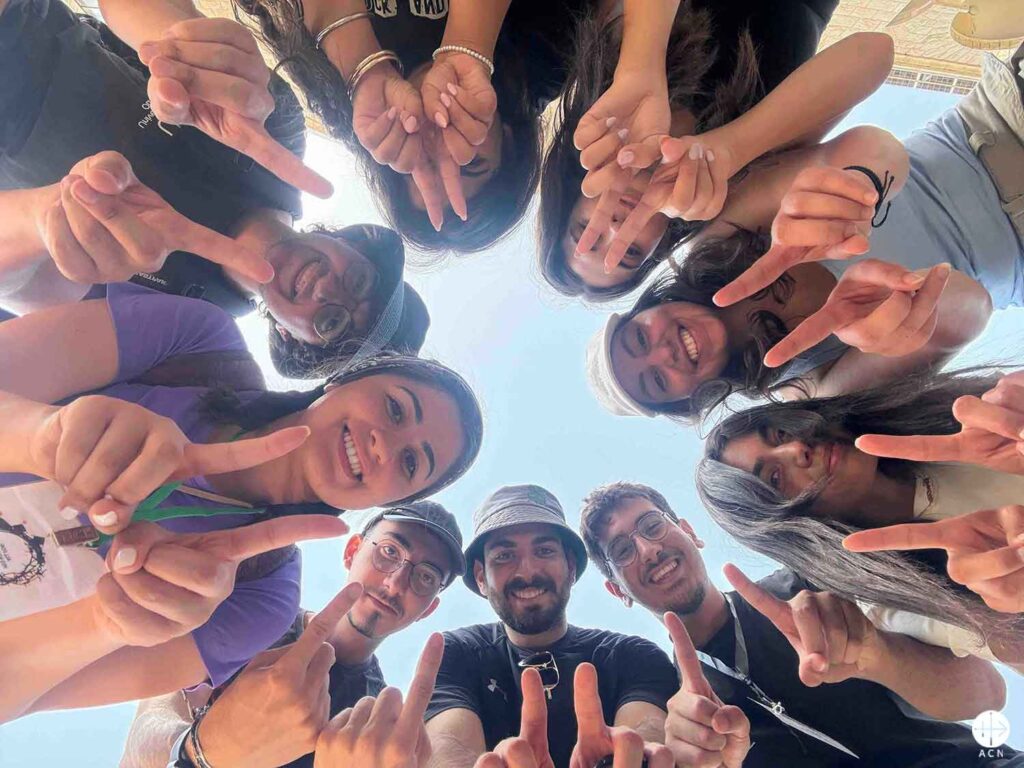
The archbishop describes the camps as “a safe space offering spiritual and psychosocial oxygen”. For children, they provide structure and opportunities to release their fears through play and art; for young people, they become a school of leadership and service; and for families, they are a tangible sign that they are not alone, the Church believes.
“By supporting our summer camps, you are not funding an ordinary holiday,” Archbishop Haddad stressed. “You are funding the continuity of our presence, the healing of our children and the future of our young people.”