Five years after devastating port blast, Lebanon struggles between trauma and hope
Five years have passed since one of the most devastating moments in Lebanon’s recent history—the Beirut port explosion of 4 August 2020. The blast killed over 200 people, injured more than 7,000, and left entire neighbourhoods in ruins. Around 300,000 people were left homeless. Yet amid the trauma and hardship, many Lebanese cling to faith, demonstrating their resilience. Aid to the Church in Need (ACN) spoke to four Lebanese Christians about how their lives have changed since that day, and what hopes they hold for the future.
“It simply wasn’t there”
Affifeh Bachir was 73 years old when the explosion tore through Beirut. She was travelling at the time, but what she returned to no longer resembled home.
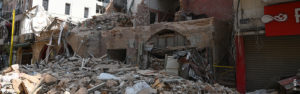
“When I came back, I found the house collapsed. There was only a window, nothing else. It simply wasn’t there.”
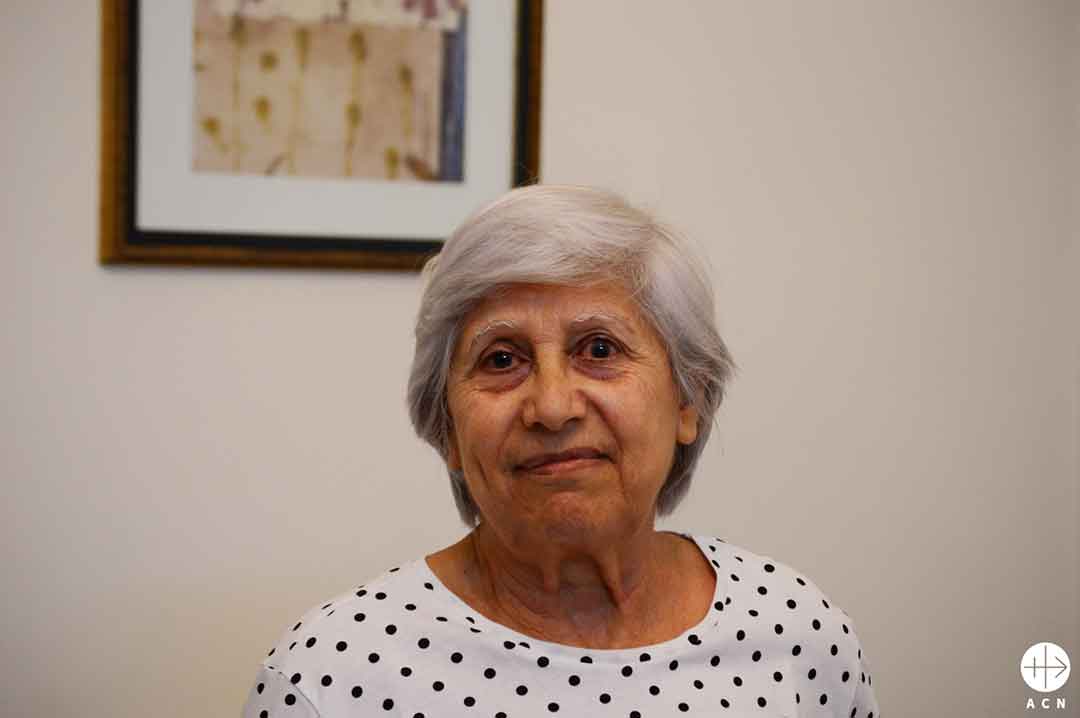
Before the blast, her life had been stable. Today, she struggles with basic needs. “I used to buy anything I wanted. Now I must think twice before buying fruit. Everything is expensive, and I have a hard time getting my medication.” Living alone has only intensified the challenge. “I used to walk and feel safe. Now, I feel like it’s not safe anymore, not like it was before the explosion.”
“We had just passed through the area an hour before”
Maroun El Khawand was just 16 at the time. He had just arrived in the mountains of South Lebanon with his family, when he heard the sound of the blast. “The next day, we went down to see the situation. The whole neighbourhood in front of the port was destroyed, as if it had been razed. There were no windows, even walls had been torn down. It was devastating. Everything was gone,” he recalls.
Looking back, he realises how traumatic these past five years have been. “Fortunately, we weren’t hurt physically – it was a miracle, as we had passed through the area just one hour before. But psychologically, because of the explosion, a lot of people became traumatised by loud noises, such as thunder.”
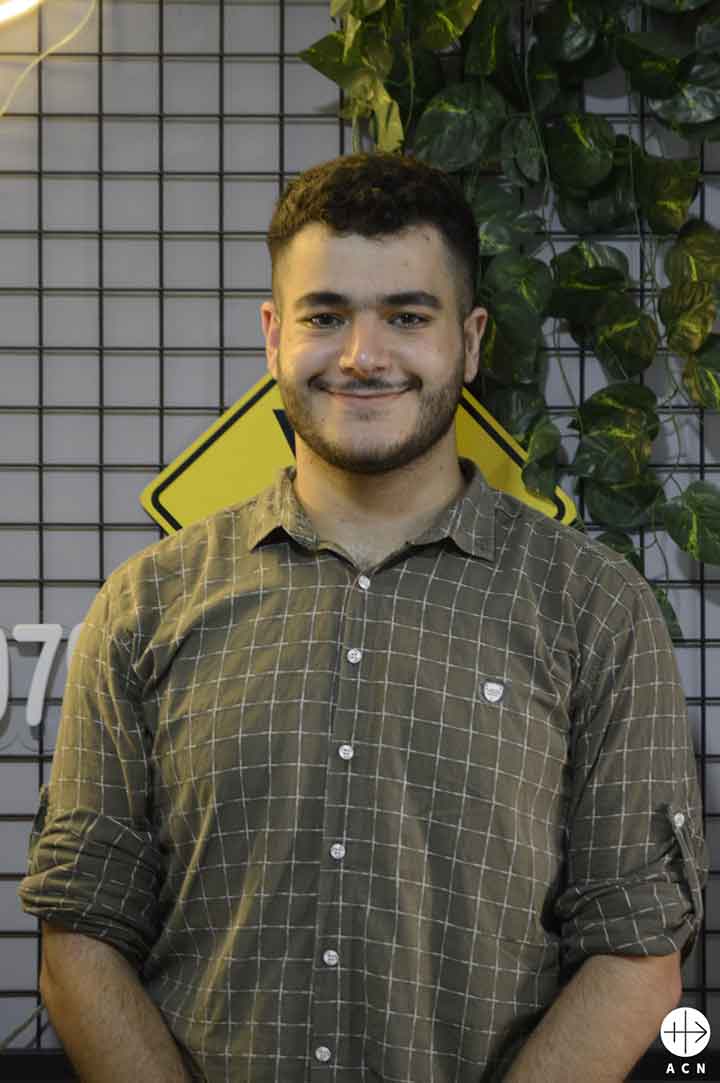
“When I look back now, these five years went by in a blink of an eye. But if we fragmented each year, it would be a disaster: the coronavirus, the explosion, earthquakes, inflation, war. But Lebanese people are strong, they like to see the bright side of things. It makes us stronger,” says Maroun.
Now 21, Maroun is going to France for his studies, but he is determined to return. “Sometimes you must leave, so that you can come back even stronger. I think I have a future in Lebanon, I never thought of leaving.”
“We are called to shine in dark nights”
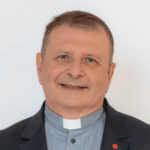
Bishop Jules Boutros, from the Syriac-Catholic Church, was 38 at the time of the explosion. Now 43, and the second youngest bishop in the world, he recalls the horror of that day as the most shocking moment in recent memory.
“At a personal level, it was the most difficult thing that I have experienced in the past five years. It was shocking, people couldn’t believe what had happened in just a single moment.”
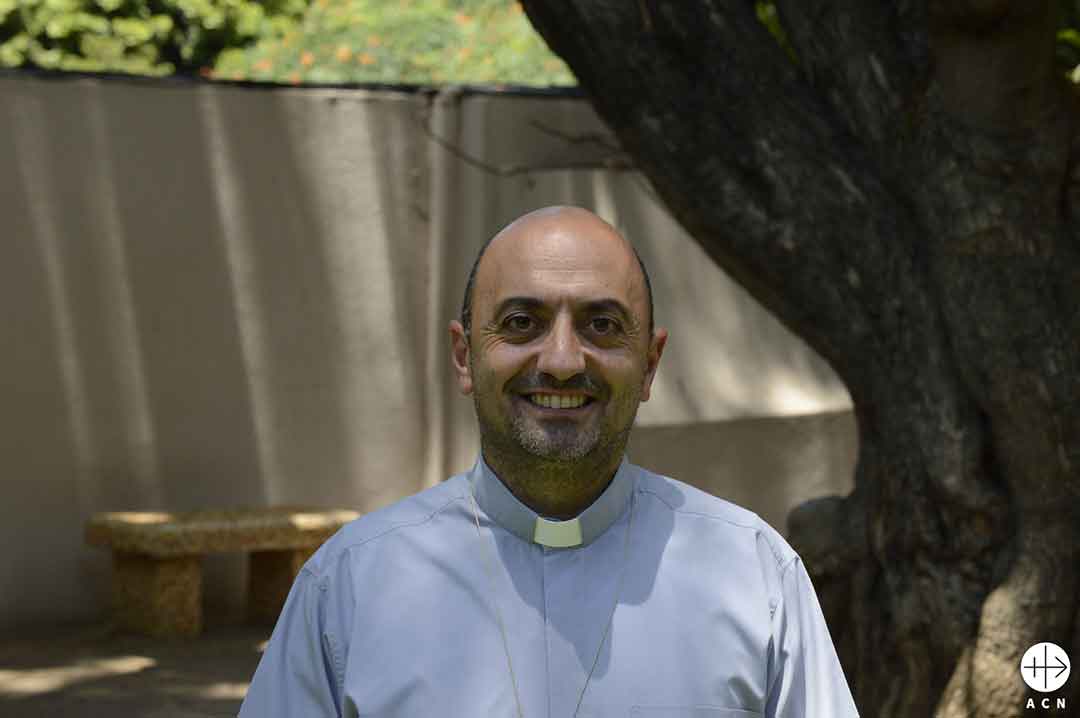
Despite the many crises Bishop Jules sees a new hope for his country. “I think our role is to be the light of our world, the light of our nations.”
“We are passing through dark nights, and that’s where we are called to shine. The light that we are holding is the light of Jesus Christ. It’s not our light, our politics, our culture, our geography, our history, our knowledge or our wisdom. It’s the wisdom of the cross and it’s the light of the resurrection through which Jesus has overcome evil.”
A distant hope, but still a hope
For Marielle Boutros, project manager for ACN in Lebanon, that hope must be tempered with realism. “Hope is definitely on the horizon, and that’s something beautiful and worth highlighting. But it’s still distant, and people are exhausted.”
She warns against illusions of imminent recovery. “Investigations into the explosion are still progressing very slowly. Families have the right to justice. And while people speak of weakening Hezbollah, their weapons and political influence remain. Strikes and threats from Israel are ongoing. The risk of war is real.”
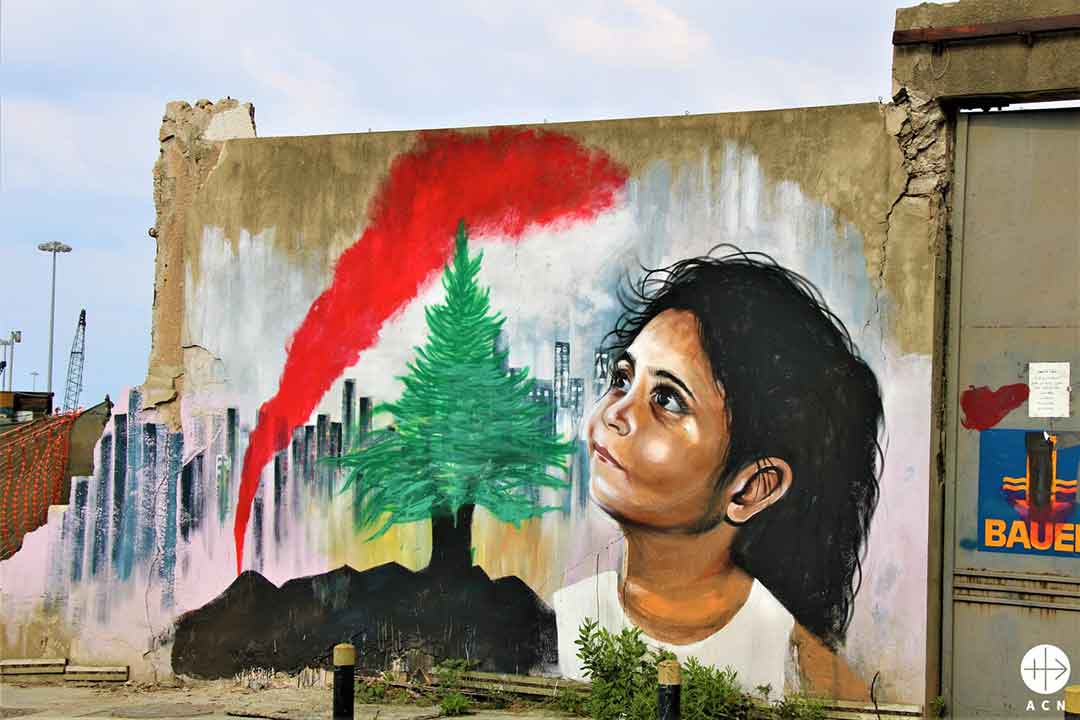
On the ground, the economic crisis continues to grind daily life to a halt. “There are limited government subsidies for medication or hospitalisation. People are still struggling to meet basic needs, even if there are some visible improvements,” says Marielle.
Emigration also remains a wound that hasn’t healed. She decided to remain, but many others leave. “Most of those who emigrate don’t return. The system pushes them to stay abroad,” she reflects. “They fall into debt trying to survive there and get stuck in a cycle.”
ACN has a long-standing relationship with the Catholic Church in Lebanon, supporting projects in a great variety of fields, from basic subsistence aid to education and religious formation. Immediately following the blast in 2020, ACN was among the first to offer emergency aid packages, including food and subsistence goods, as well as financial assistance for the rebuilding of Beirut.
Five years later, the trauma is still raw. But the faith of people like Affifeh, Maroun, Bishop Jules and Marielle shows that, even in darkness, the light of hope has not gone out.

Recommended