Crisis deepens in DR Congo as new terrorist front opens in the north
Despite the danger, and the looming threat of famine, missionaries on the ground insist they will not abandon their flocks, since they are “living signs of God’s presence”.
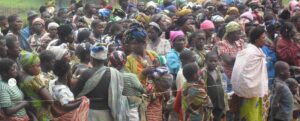
Hundreds of people have left everything and fled their villages as unknown terrorists ravage the countryside in the northern region of Upper Uele, in the Democratic Republic of the Congo (DRC).
Testimonies sent to Aid to The Church in Need (ACN) by missionaries in the DRC, show that the situation is causing a humanitarian crisis, with villagers converging on main cities which are ill-prepared to host such an influx of internally displaced people (IDPs).
According Fr Claudino Gomes the city of Isiro recently “awoke to the mass arrival of IDPs”, a wave of people from “dozens of villages in the bush”, with some trekking around 125 kilometers to find refuge.
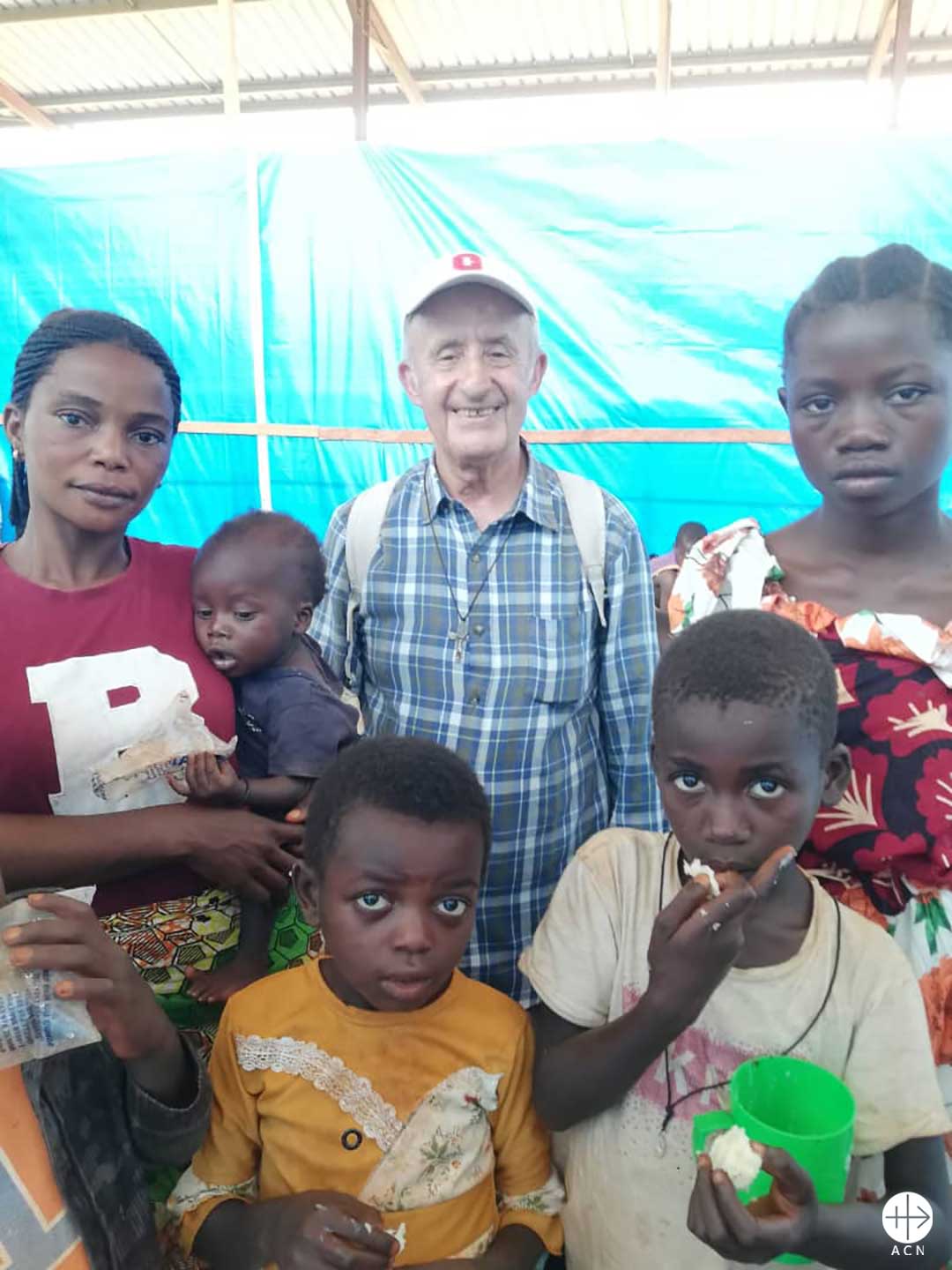
The situation caught everybody by surprise, says the Comboni missionary, since it was widely believed that the fighting in the DRC was mostly confined to the east of the country, namely to the provinces of North Kivu and South Kivu, at the moment.
The reported levels of violence are harrowing. According to the Comboni missionary, “in Elimba, the most distant community from the parish, the terrorists killed several people who were engaged in small-scale gold panning. The large village of Ndubala also witnessed violence and death. Everybody asks themselves how long this violence will last,” says the priest.
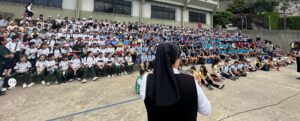
Despite the surprise, local families in Isiro behaved admirably says Fr Claudino, opening their homes to the new arrivals, with some welcoming between 10 and 20 people. The authorities have also been setting up support structures, including in schools, and naturally the Church has also gotten involved.
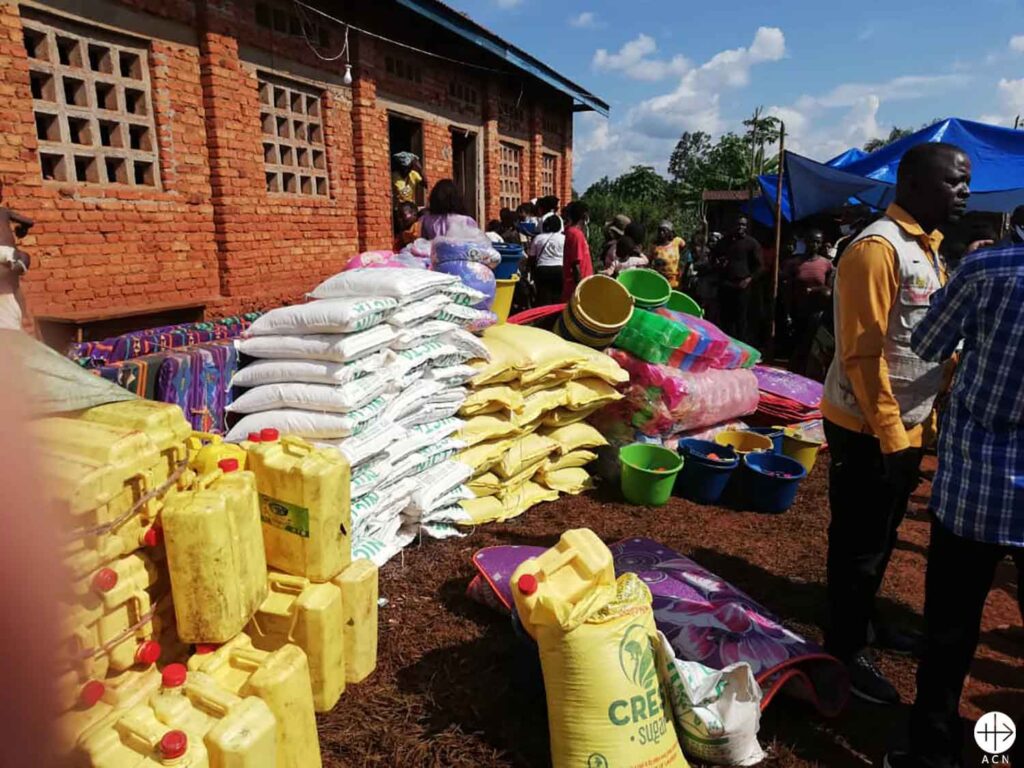
“The displaced have been welcomed in convents and in Catholic and Protestant parishes in Isiro,” he explains. “In the Catholic parish of Saint Anne, where I work, we are welcoming those who need shelter, and also supporting the families that have opened their hearts and their doors to those who arrived almost empty-handed. Currently we have 140 people staying with us and we are supporting 40 families with rice and beans.”
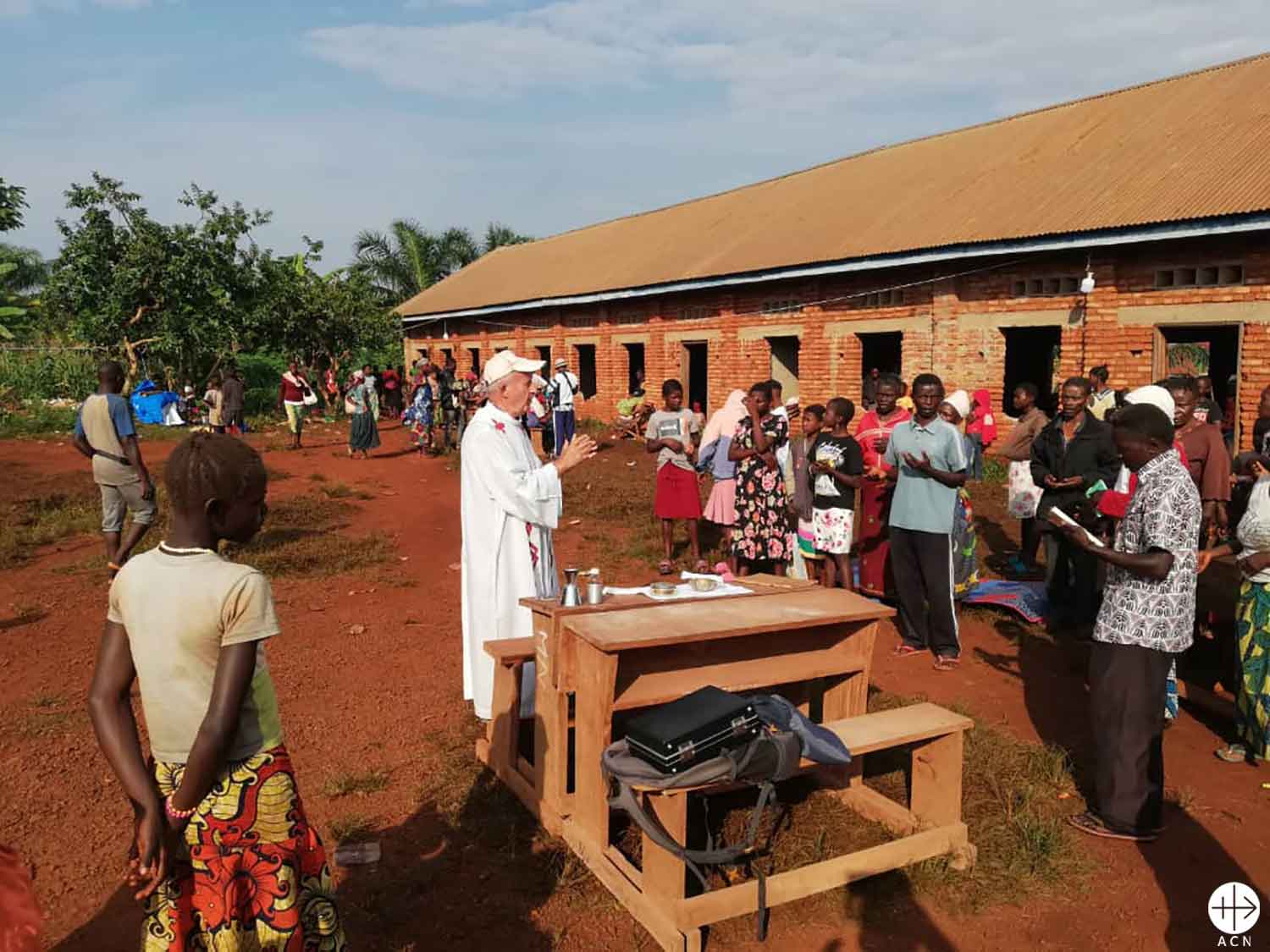
“Almost all the Catholics from the 40 communities we have in the bush and in the savanna are in Isiro now, so it is only natural that we should help them in any way we can,” which includes medical and pastoral support, that can range from administering the sacraments, to simply listening.
“We also have football, catechesis and prayer for the children. The parish of Saint Anne has become the spiritual home of all the displaced,” says Fr Claudino.
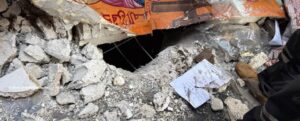
Although everybody is doing what they can at the moment, needs continue to mount: “the local economy has collapsed. In the fields, the bean and peanut plantations, which were ready to be harvested and sown with rice, have been abandoned. All the cattle was lost, houses set ablaze. It’s all gone. The ghost of hunger is already visible,” the priest warns.
“God does not abandon His people”
ACN received similar accounts from other missionaries. Fr Bienvenu Clemy, also a Comboni and in charge of the Parish of Our Lady of the Afflicted, in Mungbere, says that fear and uncertainty are everywhere.
“Mungbere is a small city in the province of Upper Uele. It has always been peaceful. However, since about one month ago we have been in a difficult situation because of the insecurity caused by the fighting between the armed forces and the rebels,” he explains.
“Most people fled, but our community decided we should remain with the poor, because there are some here who have no family, so we stayed with them. The main issue is how to feed these people, because they can no longer go into the bush to tend to their farms. We are trying to manage, sharing what we have, and we are praying for things to settle,” says the priest, in a video message sent to ACN.
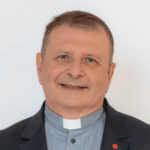
Fr Marcelo Oliveira, a third Comboni missionary who is currently in Kinshasa, also made an urgent appeal through ACN, calling for solidarity.
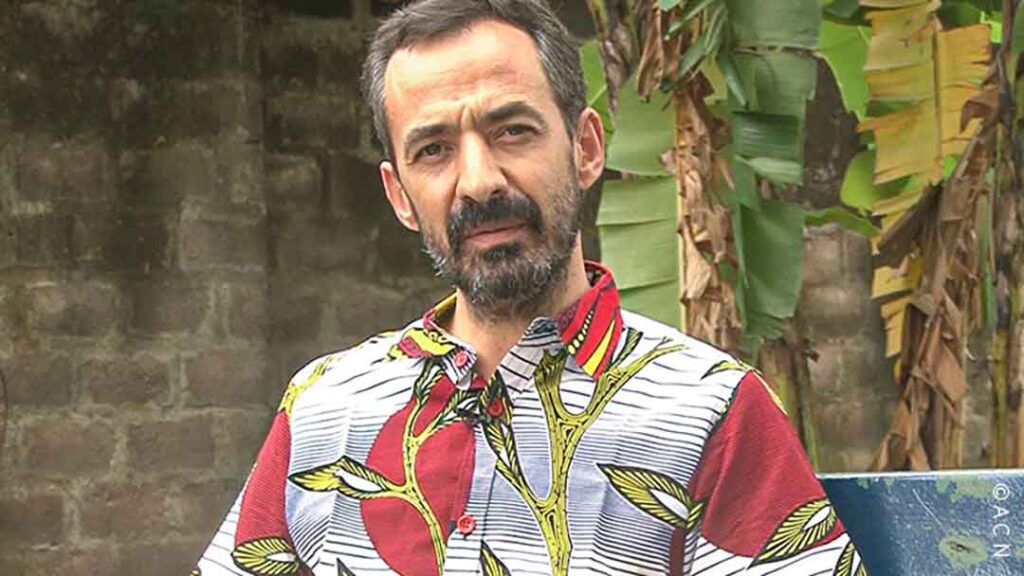
The missionaries, he insists, will remain with them through thick and thin. “God does not abandon His people, He walks with them. So we, missionaries, will continue to accompany the people, despite persecution, even in suffering, even when we do not have enough, we will remain with the people. We are living signs of God’s presence,” he concludes.
That presence is possible, in part, due to the help provided by ACN projects in the region. The foundation helps fund pastoral initiatives, such as retreats and formation for catechists, but also helps to sustain the local clergy through the provision of mass stipends. ACN calls on all its friends and benefactors to pray for the Church in the DRC during these difficult times.

Recommended