Nicaragua’s Way of the Cross: “As long as we can get on our knees and raise our hands in prayer to God, we shall not be paralysed by fear”
The Government of Nicaragua has forbidden Ways of the Cross and Holy Week processions, but the faithful are united around the Eucharist during this Lenten season
“This period of persecution is a time of penitence; in Nicaragua we are living in terror, fear and anguish. Psychologists here say the whole population is suffering from the same”, says Maria, a Nicaraguan lay woman, whose name has been changed for fear of reprisals, speaking to international foundation Aid to the Church in Need (ACN).
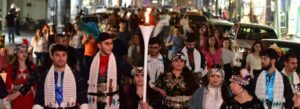
As the Government intensifies its efforts to silence the Church in Nicaragua “demonstrations of popular piety such as the Way of Cross or processions have been forbidden and can no longer go from parishes out into the streets, as has always happened before. Priests are being persecuted, people show up for Mass and record their sermons; nobody can publicly ask for the release of Bishop Rolando Álvarez”, said Maria. “I am a member of a weekly prayer group and recently we have noticed that we are being watched by a member of a paramilitary group who is clearly armed with a pistol underneath his shirt”.

Nicaragua has a very strong culture of popular religion. Public processions through urban neighbourhoods and in the countryside have been a way of the faithful strengthening and living out their faith ever since Christianity first reached this Central American State; yet for the first time in the country’s history, the Government has limited these demonstrations of faith in a way that did not even happen during the worst times of the dictatorship in the 80s. According to other local sources contacted by ACN, which for safety reasons will also remain anonymous, police officers have been knocking on parish doors to personally inform people about the prohibition, which is yet another measure by the Government aimed at disheartening the faithful.
The response of the Nicaraguan faithful during this ‘Way of the Cross’ the country is currently experiencing has been to find personal forms of uniting themselves to the cross. “Nonetheless, we continue to search for ways of mortification, the sacrament of confession, praying the Way of the Cross in our homes, in the parishes, going to Mass on Sunday… We also gather for prayer over Zoom and WhatsApp, or watch sermons on YouTube or Facebook; as a people, we continue to have faith in our God”, says Maria.
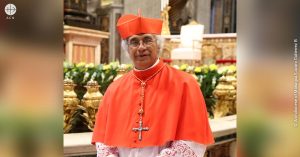
Fearing accusations of civil disobedience, many priests have limited the scope of their activities and their sermons. The bishops have been publicly accused by the president of promoting death in Nicaragua, been called sons of the devil and, in recent days, on national radio, he labelled Bishop Rolando Álvarez, who was sentenced to 26 years in prison for refusing to abandon the country, “arrogant” and an “idiot”.
The situation in the dioceses of Matagalpa and Estelí, both of which were under the care of Bishop Álvarez and are being closely watched, is very difficult; but all over the country Catholics live in fear that their priests and bishops might be arrested and deported, according to reports gathered by ACN.

Besides the diocesan clergy, members of religious orders are also suffering from the consequences of the Government’s policy to silence the Church. After the Missionaries of Charity, founded by Mother Teresa of Calcutta, were expelled from the country, other female religious orders such as the Trappists or a group of religious sisters from Puerto Rico have decided to leave Nicaragua, due to the pressure from the State. According to ACN sources, in many cases, the government has been blocking religious orders from accepting donations to carry out their charitable work and care for the most needy, as well as denying residence permits or revoking the Nicaraguan citizenship of missionaries who had already obtained it.
Nicaraguan Catholics are experiencing the situation with sadness, pain and a feeling of impotence. Yet, despite all the difficulties, churches, and particularly chapels with perpetual adoration, continue to be visited by the faithful. “Despite all the harassment in our parishes, our devotion remains very strong. Nicaraguans have three great loves: Jesus in the Eucharist, Our Lady of the Immaculate Conception and our shepherds (the Holy Father, the bishops and the priests). Our prayers are with them”, Maria tells ACN.
“We are not paralysed by terror. We are confident that the cries of the people will be heard by God. As long as we can get on our knees and raise our hands in prayer to God, to whom all things are possible, we shall not be paralysed by fear”, says this young Nicaraguan Catholic.

Recommended