Africa: “The worlds of sport and advertising help to promote illegal emigration”
A bishop from Equatorial Guinea reflects on the causes and consequences of migration in the African continent and asks for a more effective focus on the fight against poverty and illegal emigration.
At least 8,565 people died on migratory routes all over the world in 2023, making it the deadliest year on record, according to figures published last month (6 March) by the International Organisation for Migration.
The Mediterranean route continues to be the most dangerous, with at least 3,129 people dying or going missing. Most of the deaths in Africa take place in the Sahara Desert and on the sea route to the Canary Islands. What is more, official figures are probably underestimated, with the real death toll possibly much higher.

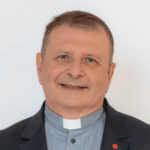
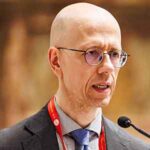
During a visit to the headquarters of the international Catholic charity Aid to the Church in Need (ACN), Bishop Miguel Ángel Nguema Bee of the Diocese of Ebibeyín, in Equatorial Guinea, stressed the need to find a more effective way to deal with global poverty and migration.
According to Bishop Nguema, the main driver of migration is poverty, but the aid sent by international organisations is not reaching those who are most in need. “Much of the aid is lost due to corrupt governments and inefficient structures”, he explains. Instead of depending only on governments, the bishop suggests a more direct approach through local organisations such as the Church, associations of women or young people, or foundations. “These entities could provide much more direct and efficient help, such as grants for young people in vulnerable situations”, he adds.
During the conversation with ACN, the Bishop of Ebibeyín insists on another issue, which is the promotion of a false image of ease and prosperity in the West. This encourages many Africans to migrate, including illegally. “Misleading publicity and promises of easy money made by the sports industry are responsible for promoting this illusion”, he stresses. “The West presents a false idea of easy solutions, which is a mirage, and contributes to a false sense of security. The easy money schemes that are presented directly contribute to this problem”, Bishop Nguema says.

According to the bishop, the truth is that migrating is always a difficult decision and that to do so illegally is an enormous risk. Many people never reach their destination, and for those who do, it can take from five to ten years to regularise their situation. “Of course there are also real benefits, such as better economic opportunities and more safety, but sometimes when I travel to Europe, people ask me for things, like ‘Please bring me a phone’… They don’t realise how difficult life can be there, they don’t understand the difficulties they are going to face. It is essential that we paint a more realistic picture of the difficulties that migrants face in their search for a better life”, he tells ACN during the interview.
Returning to the issue of international development aid, Bishop Nguema insists on the need to stimulate local economic activity, instead of encouraging dependency. “It is crucial that we help create structures that boost self-sufficiency and sustainable development so that people can move forward without having to constantly depend on external help”, he says.
The Equatorial Guinean prelate also insists on the importance of a non-paternalistic approach, saying aid should not be linked to ideology and new forms of colonialism. “Aid is often conditioned on the recognition of values that are not present in the local culture. The imposition of issues such as abortion, gender diversity or the penetration of religious sects are signs of this new colonialism”, Bishop Nguema explains, highlighting the importance of respecting and valuing local culture while providing aid.
The international Catholic charity Aid to the Church in Need (ACN) has supported 28 projects with the local Church in Equatorial Guinea over the past five years, helping it to increase its pastoral work.
By Maria Lozano.

Recommended