Algeria. “The call for a female presence in Tamanrasset remains very much alive,” says bishop
Bishop Diego Sarrió Cucarella hopes the Pope’s recent visit to Algeria may adress administrative obstacles preventing more religious from moving to the country.
There is something about the desert that has always attracted those who long for Christ. Since the first monastics in Egypt, men and women have been leaving the comforts of the city to find God in the wilderness.
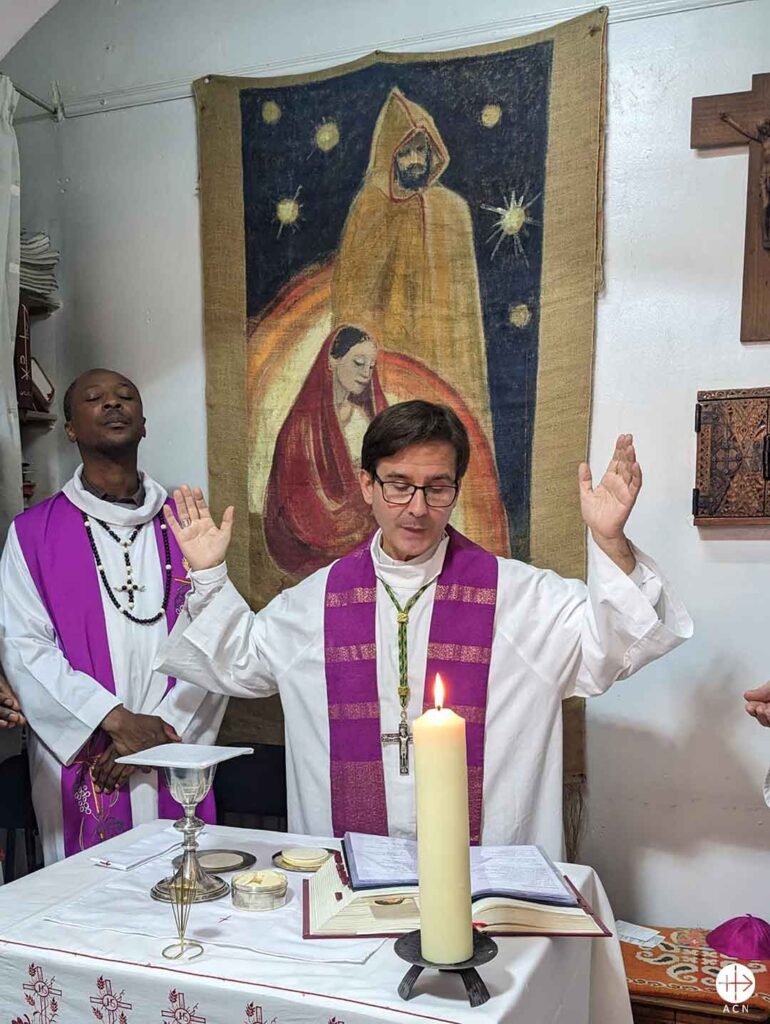
This same spirit moved St Charles de Foucauld to leave his native France and establish himself in Tamanrasset, in the Sahara, to be a witness of Christ to the Berbers who lived there, fostering good relations with the local Muslim population.
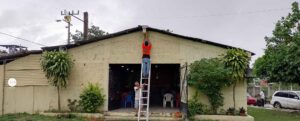
Years later, the house of the Little Sisters of the Sacred Heart of Charles de Foucauld has been restored in Tamanrasset, with the support of Aid to the Church in Need (ACN), but it currently houses only one religious sister.
“The call for a female presence in Tamanrasset remains very much alive. The house, rebuilt with the support of ACN, is ready and waiting for those – religious or laywomen – who wish to inhabit it with a faithful, humble presence that is open to encounters in the heart of the desert. It is ready to become a place of fraternal, simple, and Gospel-centred life, at the service of communion,” says Bishop Diego Sarrió Cucarella, of the Diocese of Laghouat-Ghardaïa.
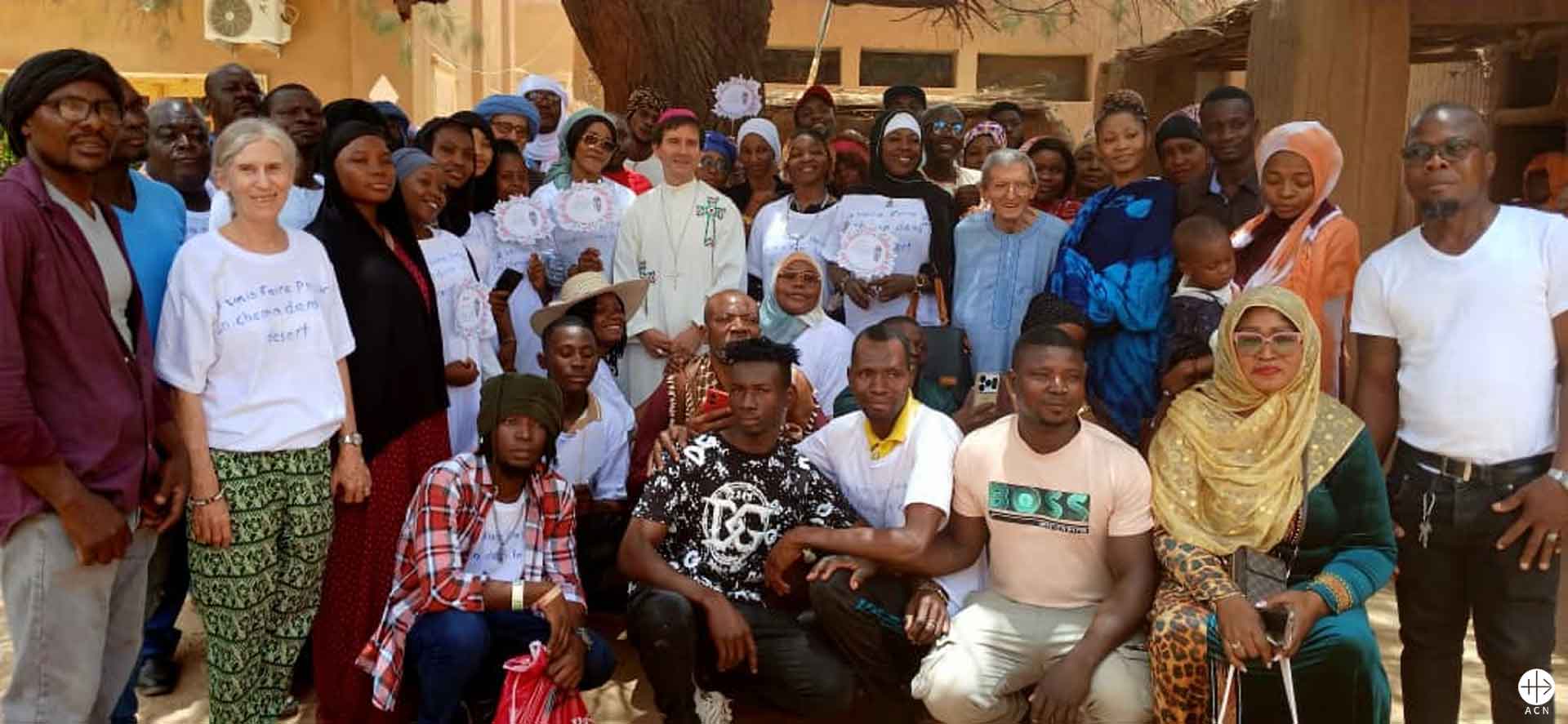
It would be understandable that few people would want to leave everything to go and live in almost complete isolation in the Sahara, in a mostly Muslim country. But the bishop explains that there is no lack of willing women, the problem is exclusively bureaucratic, as those who have shown interest have been unable to obtain the necessary visas.
“To see sincere desires arise to come and share our life in the Sahara, only to then see how they cannot be fulfilled for administrative reasons, causes us true suffering. In a context like ours, marked by balances that are sometimes delicate, we learn to live with these limitations with patience and trust, whilst simultaneously maintaining hope.”
Bishop Cucarella recalls that Algeria was recently visited by Pope Leo XIV, and says that “our wish is that the Pope’s visit will contribute, in one way or another, to unblocking these situations and opening paths that today seem impassable to us.”
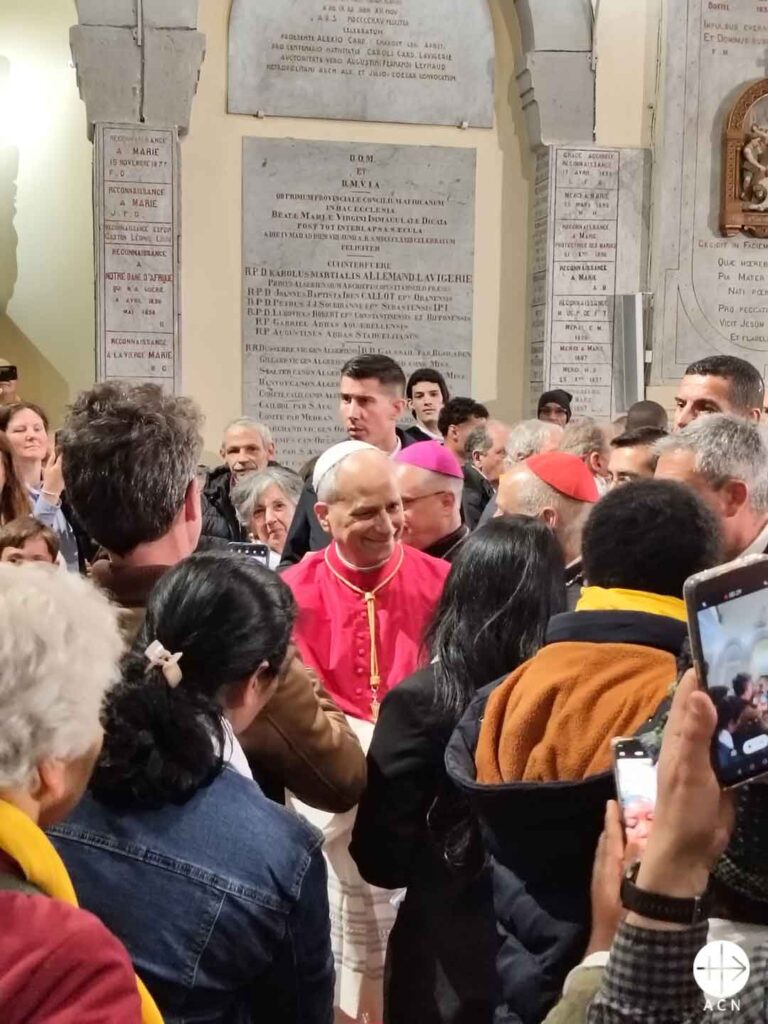
Above all, however, he hopes that the visit will have awakened in others a desire to live out their Christian vocation in that country. “The Pope’s visit has revived a genuine hope. Hopefully, the media coverage it generates will allow some to discover in a more concrete way the reality of the Church in our country, which is often unknown. Perhaps this will awaken in many – religious or laypeople – the desire to come and share this life.”
“The Pope’s visit has reaffirmed the singular vocation of Tamanrasset, which aligns with that of our entire diocese. The fact that the Holy Father cited Charles de Foucauld in his address at the Basilica of Our Lady of Africa is particularly significant. The Pontiff recalled the extent to which Foucauld understood that his vocation was, above all, that of a praying presence in the midst of others.”
The Christian population in Algeria is very small, and composed mostly of foreign African students, migrants and workers in the oil industry. Bishop Cucarella is aided by 14 priests, 19 religious sisters and five brothers, who all share the responsibility of serving this disparate community.
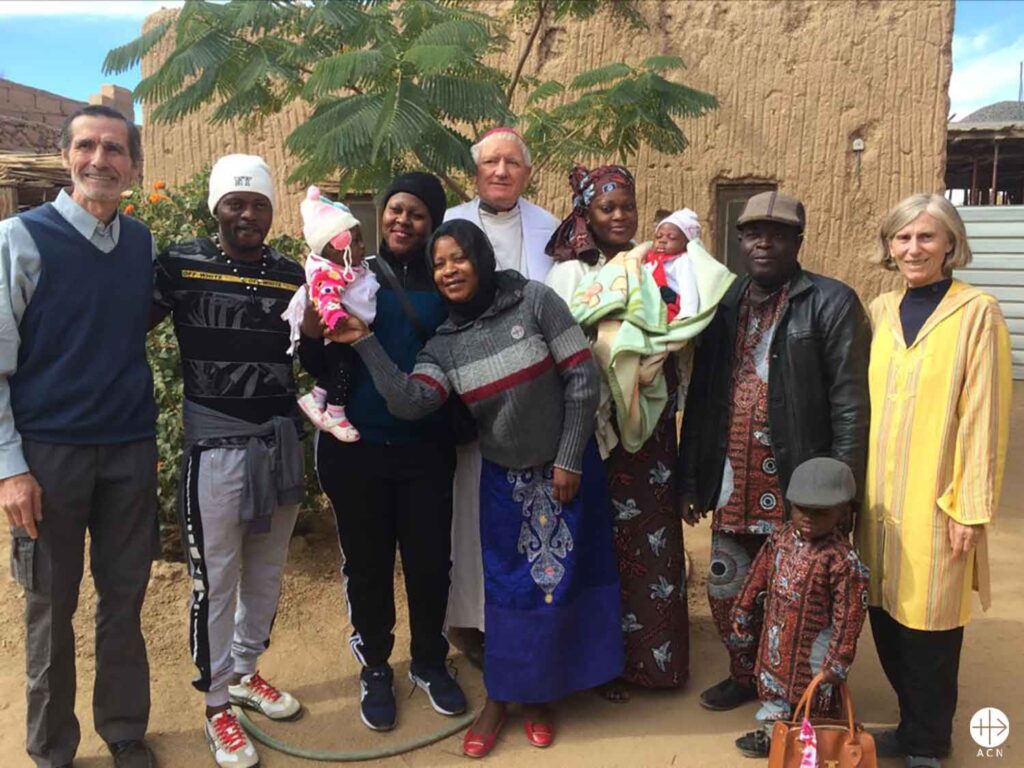
The Pope’s visit has also been beneficial to this Christian population, though, the bishop told ACN. “Here, fruits often take time to appear, and they do so discreetly. That being said, we can already perceive something very real. In our context, immersed in the heart of a predominantly Muslim population, this visit has revived within these small communities – often very far apart from one another – the awareness of fully belonging to the universal Church, which sustains us in prayer and communion.”
“This visit also deeply confirms our mission: to be present in a Gospel-based logic of relationship, service, and closeness. As the Pope recalled during his meeting with the Church at the Basilica of Our Lady of Africa in Algiers, ‘faith does not isolate, but opens us up; it unites us, but does not create confusion; it brings us closer, without homogenizing, and fosters true fraternity.’”