“This is the saddest time for my country.” Head of bishops’ conference asks that Cuba not be forgotten
The Church in Cuba continues to accompany a population marked by fear, deep necessities in all fields of life, and uncertainty. In a conversation with Aid to the Church in Need (ACN), Bishop Arturo González Amador, who is president of the Cuban Bishops’ Conference, describes the dramatic situation the island is currently experiencing.
“Cuba is suffering,” says Bishop Arturo González Amador of Santa Clara. “This is the saddest and most difficult time that I am aware of in the history of my people. Everything is a struggle to survive. The present is unsafe and the future is completely unknown.”
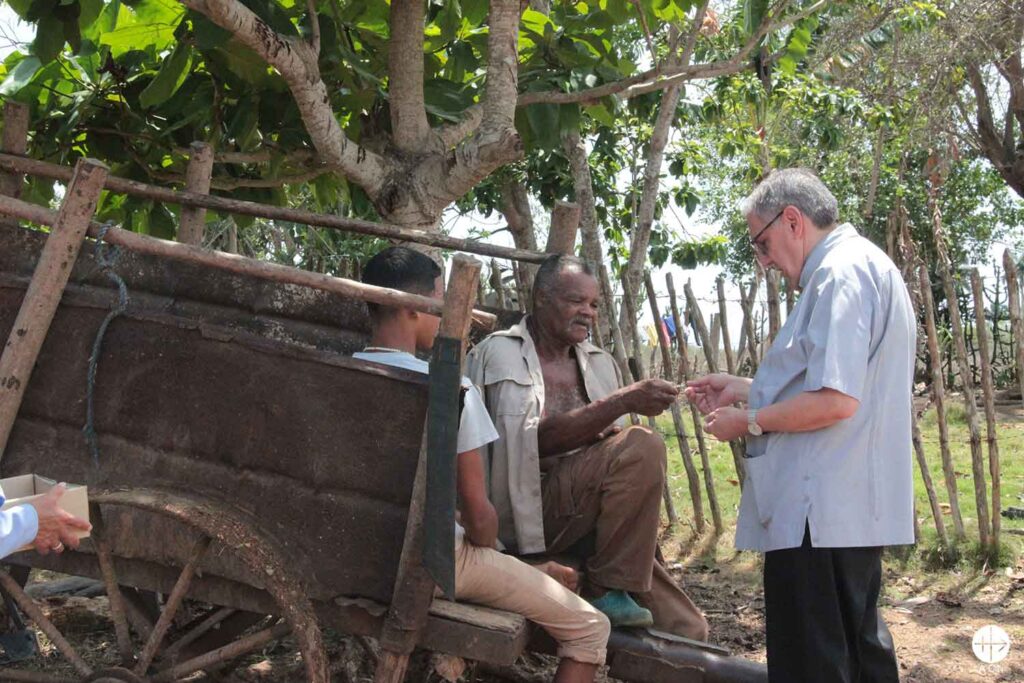
The crisis affects all fields of daily life. “Every day that passes we feel that it is more difficult to live, especially for the poor, the elderly who live alone, pensioners and single mothers,” Bishop González explains. Those who work in parishes come face to face with this despair every day. “There are people who come to us and tell us that they haven’t eaten for days, and they don’t know who to go to for help. The food can’t be preserved because of lack of electricity, and we have seen people collapsing during celebrations, recently, because they have not eaten,” he says.
The health situation is especially alarming. According to the bishop, “in some important hospitals they have stopped doing operations because they don’t have water, let alone surgical equipment.” Many families have been trying to get their hands on basic medical supplies themselves, so as to be helped. “I know more than one case where someone had to turn to family or friends abroad to obtain everything to be able to undergo an intervention, and that includes the suture thread.”
Besides the hard economic difficulties, the population has to endure a climate of social and psychological anxiety. “In conversations with people you notice sadness, despair and uncertainty.” Bishop González says that there is great fear about a possible military conflict with the USA. “People’s daily lives are marked by a great fear. They are constantly talking about it, and this is a particular source of anguish for children and for the elderly,” says the Cuban prelate. “In the streets we hear people say that they cannot take this pain any longer, and there is nobody to help them.”
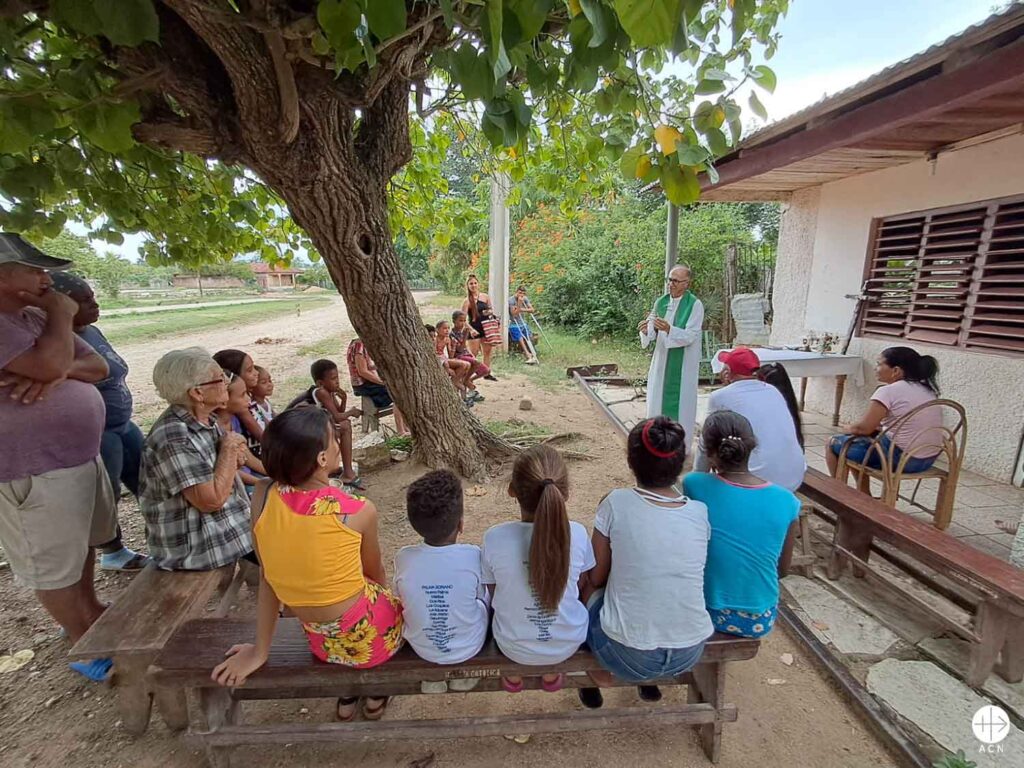
The bishop, who is also president of the Cuban Bishops’ Conference, says he does not want to speculate, but recalls that “in the modern world there are many ways of spreading fear and war among nations.” He warns of an increase in depressions, addiction and the impact of mass migration. “Anyone who can leave is doing so. We are being left with a country of elderly people with no resources and small pensions.”
Another serious factor is the increase in insecurity. “Many homes have been broken into and robbed, and that contributes to a feeling of great vulnerability.” The lack of safety and the terrible energy crisis, which has left many regions with only three hours of electricity per day, is also affecting religious practice. “We hardly have any nightly adoration,” the bishop states, adding that in some places the Easter vigil had to be celebrated during the day because the blackouts, criminality and violence make it dangerous to go out at night.
In the midst of this sad, painful and desperate situation, the religious, priests and laypeople work together continually to help those who are suffering the most. “The Church’s work is to keep the spirit alive and to bring hope where there is none, to listen and to accompany,” says Bishop González.
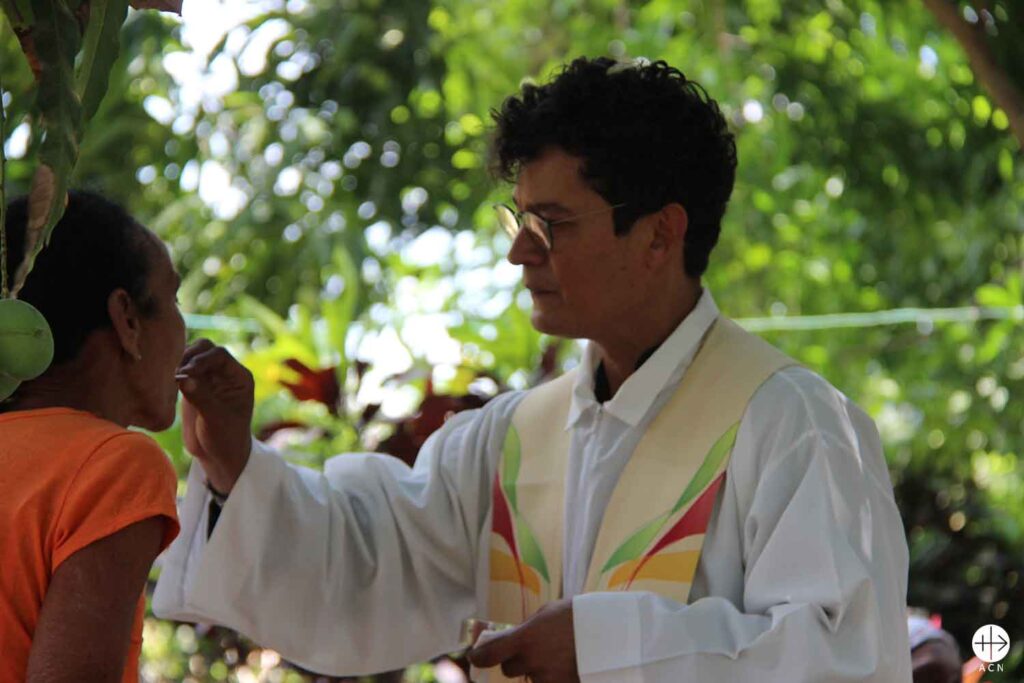
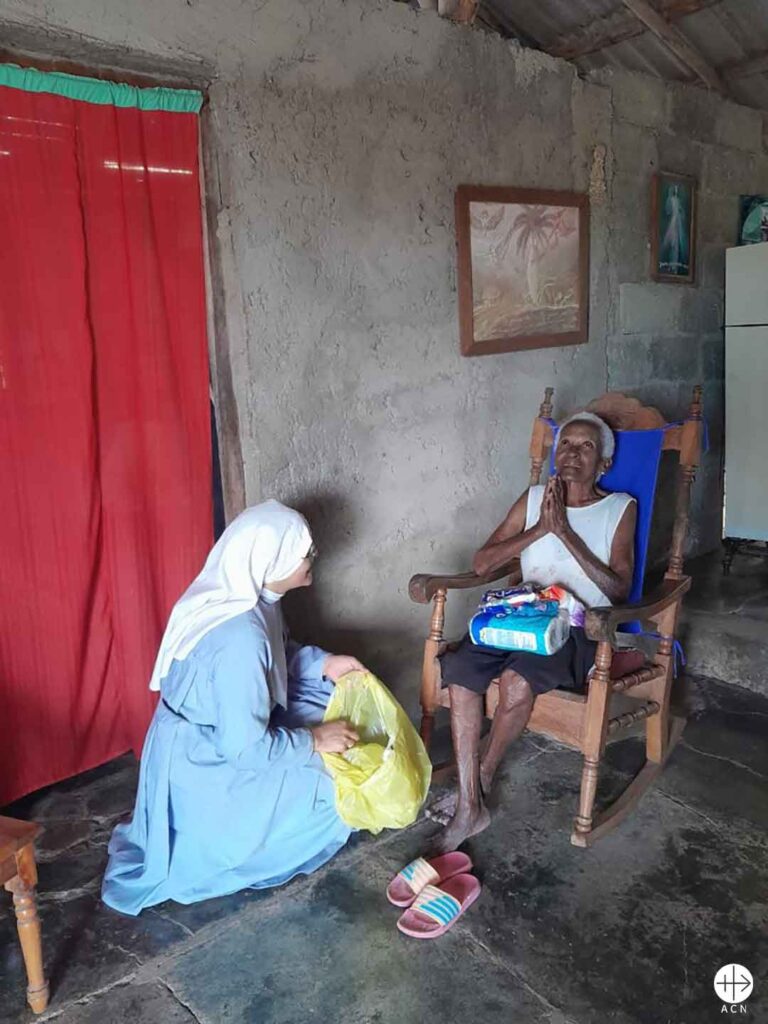
Many faithful are also coming up with “initiatives to help those who are in more desperate need. Including small soup kitchens and food delivery for those with disabilities or who are bed-ridden. They manage to squeeze food and resources out of nowhere,” Bishop González explains, mentioning the case of one soup kitchen which produces food for over 300 people and which recently had to improvise because even that was not enough. “The sisters said they would use whatever they had left, and so they mixed some tins of black and white beans to be able to serve more dishes. The people notice this, and they see that the Church is sharing what it has.”
“This only shows what God’s providence and Christian charity can achieve.” Bishop González believes that this simple and silent charity has great value when it comes to evangelisation. “The day a religious sister or a priest dies of hunger or from lack of medication, you will know there is nobody left alive, because everybody shares what little they have,” he says. “It is beautiful to see that this aid, this charity, is carried out without any manipulation, simply because people want to help. And we can also see the gratitude of those who are on the receiving end.”
Nonetheless, he recognises that the Church itself is experiencing tremendous limitations. The increase in prices and the lack of fuel have severely reduced pastoral activity. “We are in pastoral ‘survival mode’. Prices have increased five-fold and often we cannot even travel to celebrate mass in the more rural areas, as we did before.” The Bishop of Santa Clara gives the example of the recent funeral of Bishop Enrique Serpa Pérez, which only four other bishops were able to attend, because of the lack of fuel.
The isolation is particularly acute in some regions of the country and affects many religious communities. “There are places which are more isolated, and so people are more vulnerable. And there are also some religious congregations which are very fragile, and do not have enough resources to sustain their presence on the island,” he explains. Nonetheless, Bishop González highlights the fidelity of those who stay. “Although many are leaving the island, the Church remains. The people recognise this and are grateful.”
Bishop Arturo González Amador ends his conversation with a request that ACN’s friends and benefactors do not forget Cuba. “I deeply believe in the power of prayer,” he says, while asking for support to help sustain the spiritual life of the men and women religious, priests and many works of charity, as well financial aid for pastoral work, evangelisation, printing materials and transportation. “We cannot solve everything, but any help counts. The people of Cuba are suffering, and the Church is a part of that people,” he concludes.

Recommended