Venezuela’s bishops call for free elections and repeal of laws restricting NGOs
In a new pastoral exhortation, the bishops state that Venezuela is going through “one of the most complex periods in its history” and highlight “the urgent need for the comprehensive reconstruction of the nation”.
The bishops of Venezuela have called for free and transparent elections, independence for the country’s main electoral and judicial institutions, and the repeal of laws restricting the activities of non-governmental organisations (NGOs).
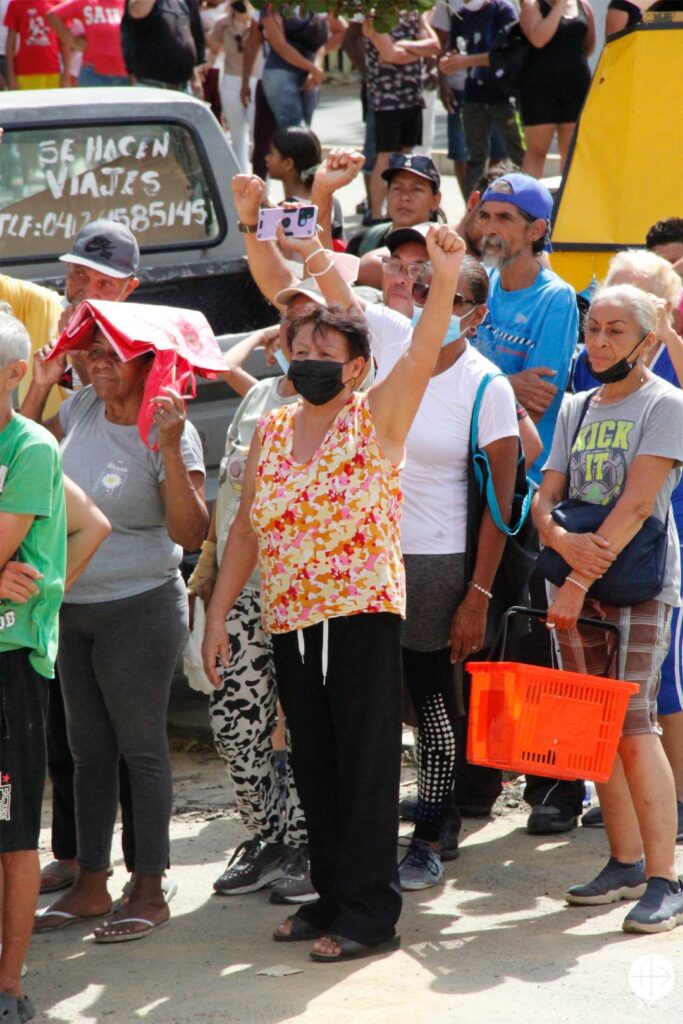
In a pastoral exhortation published on 23 October, at the end of the 126th Ordinary Plenary Assembly of the Venezuelan Episcopal Conference, and sent to Aid to the Church in Need (ACN), the bishops provide an extensive analysis of the country’s political, economic and social situation and propose a series of measures to help rebuild it.
The document, entitled “Lord, in your light we see light”, comes at a time of profound political transformation in Venezuela. In January 2026, Nicolás Maduro was detained during an operation by US forces and transferred to the United States. The then Vice-President, Delcy Rodríguez, subsequently took over the presidency on an interim basis. Rodríguez has stated that elections will be held, and discussions on institutional reforms ahead of a future ballot are currently under way, although no date or electoral timetable has been set.
Added to this scenario is the return to Venezuela, on the night of October 25, of opposition leader María Corina Machado, after almost ten months away from Venezuela.
Free elections and independent institutions
The bishops speak of “the urgent need for the comprehensive reconstruction of the nation,” describing the current situation as “one of the most complex periods in its history.”
In this context, the bishops state that the country’s political climate continues to deteriorate, characterised, according to the document, by “polarisation, a lack of institutional integrity and restrictions on democratic guarantees”.
The bishops make a specific demand: “The country requires free and transparent elections, with an impartial National Electoral Council (CNE) and an independent Supreme Court of Justice (TSJ), so that due process is guaranteed, disqualifications are brought to an end, and the political rights of all citizens are respected.”
The exhortation also addresses the situation of political prisoners, both civilians and members of the military. The bishops regard the releases that have taken place as a sign of hope, but maintain that this process “must continue so that no one is detained for thinking differently”.
Among other positive signs, they mention “greater freedom of expression for the mass media”, a reduction in the number of checkpoints — “many of which were used for extortion” — and a gradual revival of the oil industry. Nevertheless, they warn that “many actions still need to be taken to restore citizens’ rights”.
Repeal laws restricting NGOs
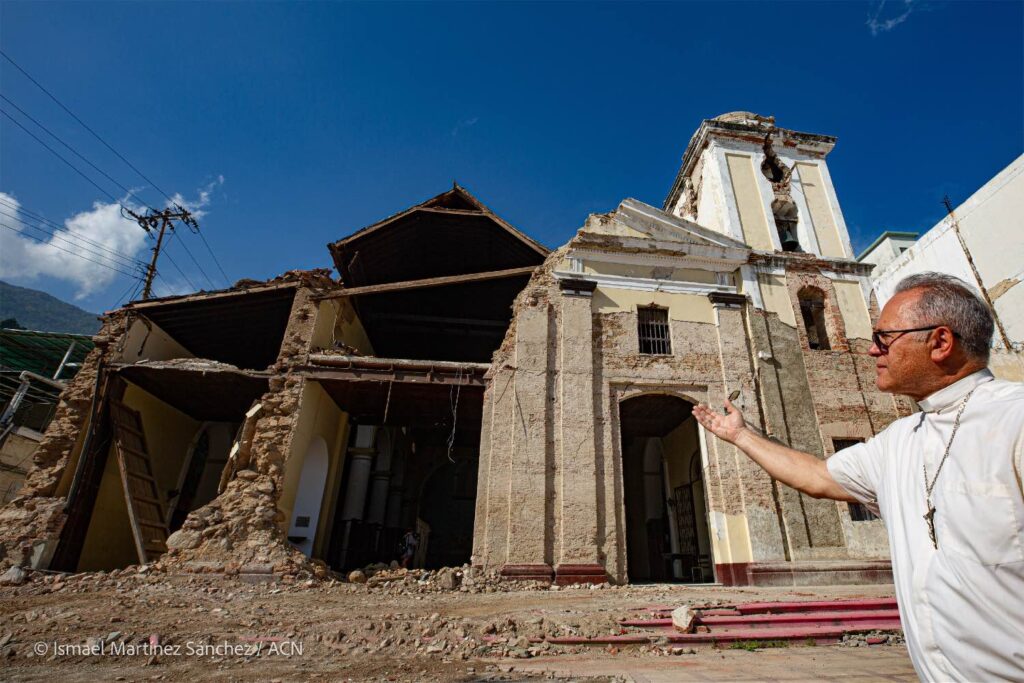
Another of the bishops’ most specific appeals concerns civil society organisations, particularly in the context of the response to the earthquakes that struck Venezuela on 24 June, leaving thousands dead, and which caused severe damage in several parts of the country.
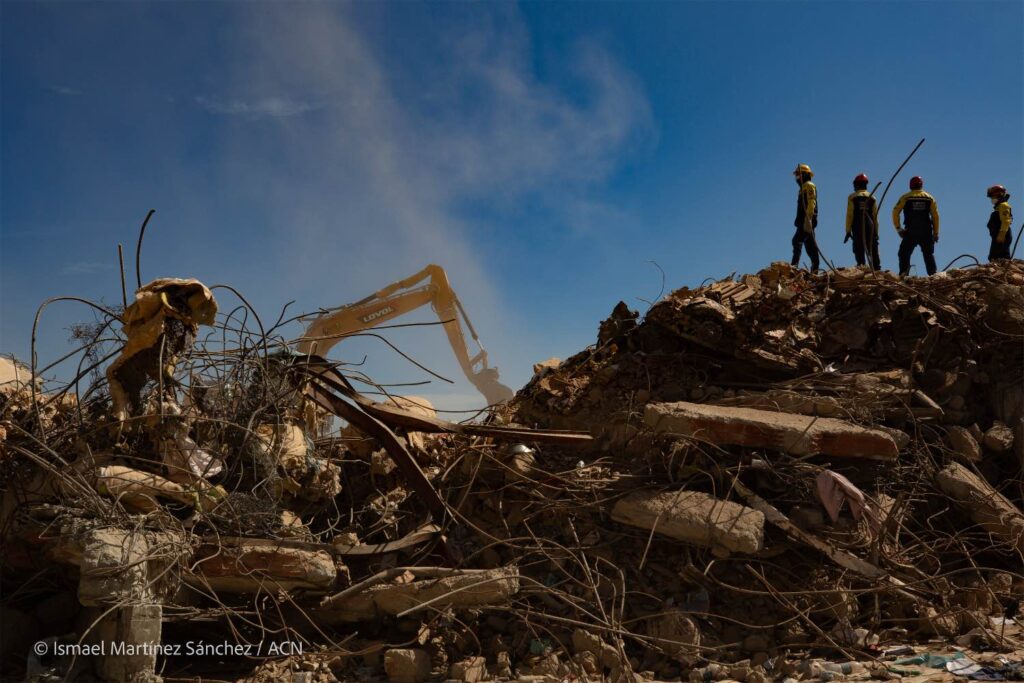
In the document sent to ACN, the bishops call for “the repeal of laws restricting the activities of NGOs, so that they can become fully involved in efforts to provide better assistance to those affected by the recent earthquakes,” adding that “the response to the crisis requires the joint efforts of the government and civil society”.
The Church also calls on political, economic and academic leaders, as well as civil society leaders, to move beyond polarisation and commit themselves to “a national agreement founded on truth, forgiveness, justice and reconciliation.”
A crisis worsened by the earthquakes
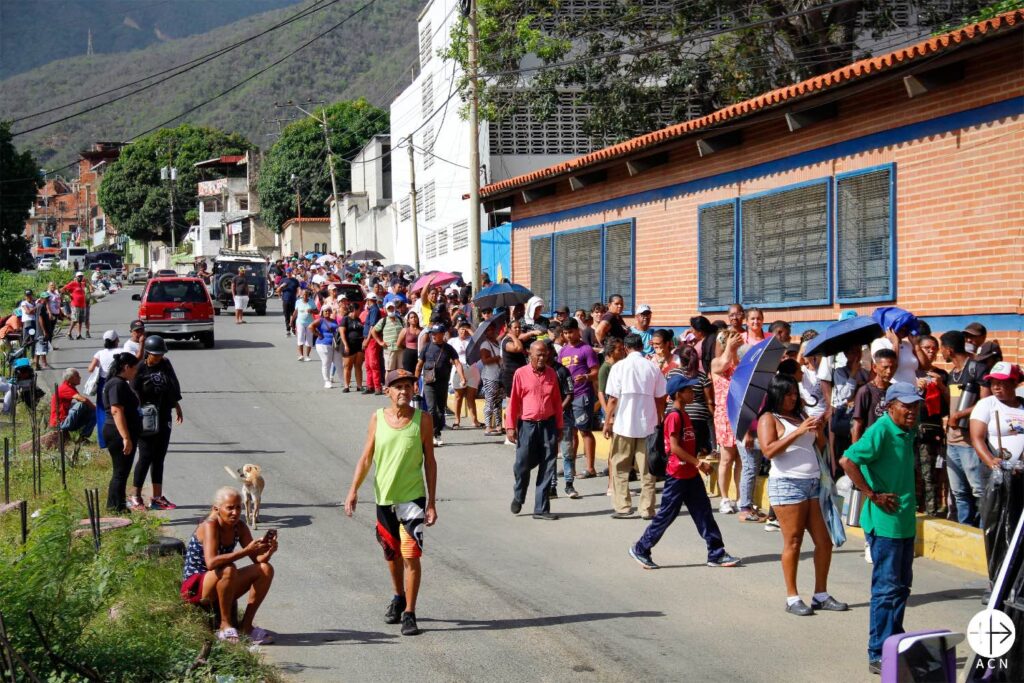
The exhortation places the consequences of the recent earthquakes within an already deeply deteriorated social context. The bishops denounce “widespread impoverishment”, human rights violations, difficulties in accessing healthcare, the structural crisis of the education system and the loss of purchasing power among the population.
They also warn of the deterioration of social and family ties, which has resulted in “children being left unprotected, young people losing hope, and older people being neglected”, a situation which, they note, has been “worsened by the recent earthquakes.”
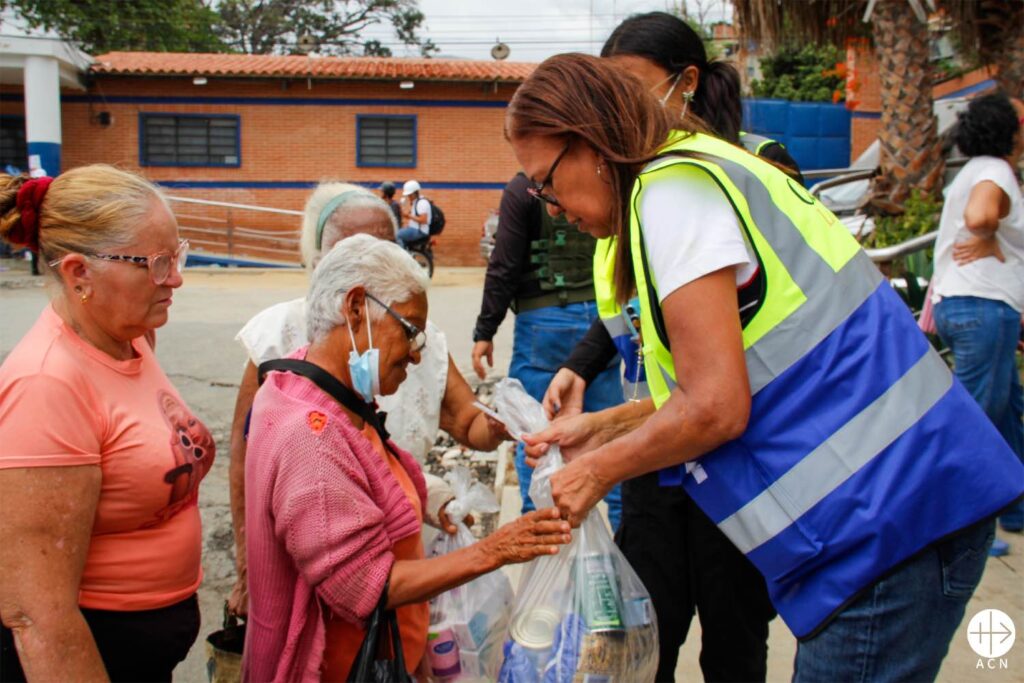
Following the earthquakes, ACN launched an emergency aid campaign to support the local Church and affected communities. A delegation from ACN International subsequently travelled to the country to visit some of the affected areas, meet communities and learn about their needs first-hand. The foundation is currently participating in a programme to rebuild damaged Church facilities, helping the local Church to continue its mission among the population.
The bishops refer specifically to the mobilisation that took place following the earthquakes in their exhortation, expressing their gratitude for “the coordinated assistance provided by neighbours, Caritas and other bodies within the Catholic Church and sister Churches, NGOs, rescue workers, and national and international institutions.” It states that this response “demonstrated that suffering brings the community together as one people united in solidarity.”
At the same time, the bishops warn that the damage sustained calls for “a thorough assessment of the quality of buildings, soil studies and public oversight in order to prevent loss of life.”
“A major national reconstruction plan”
Beyond the consequences of the earthquakes, the episcopate presents reconstruction as a task for the entire country. Among other measures, it proposes strengthening the protection of human rights, promoting opportunities for encounter and dialogue, and working towards reconciliation and the ethical renewal of institutions.
“We call on all Venezuelans to join us in a major national reconstruction plan: an inclusive, democratic and ethical path that will lead us towards lasting peace,” the bishops conclude
Recommended