The rebirth of the Catholic Church in Estonia
After centuries of prohibition, the small Catholic community of Estonia is returning from the ashes. On 26 September 2024, Pope Francis erected the first diocese in the country. On 1 November of the same year, during an address to the Catholic Church of Estonia to mark the centenary of the creation of its first apostolic administration, Pope Francis congratulated it for being an “example of faith”, despite “decades of suffering, occupation and oppression”, and stated that “this admirable legacy of faith and charity will nurture the current generation of priests, religious and lay faithful”.
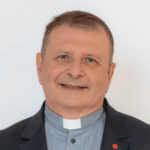
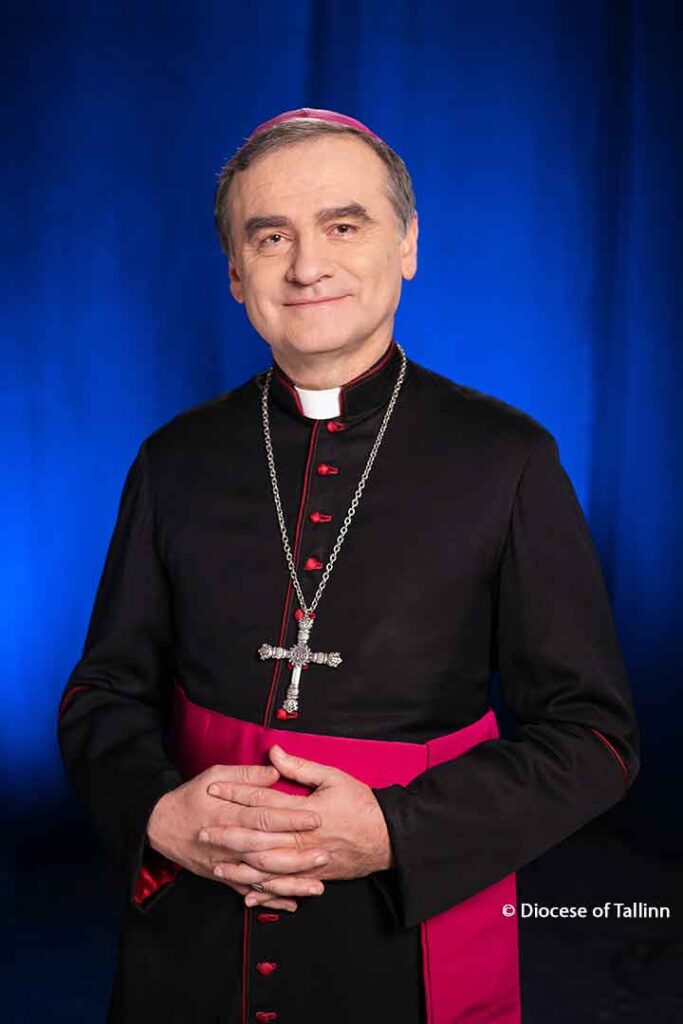
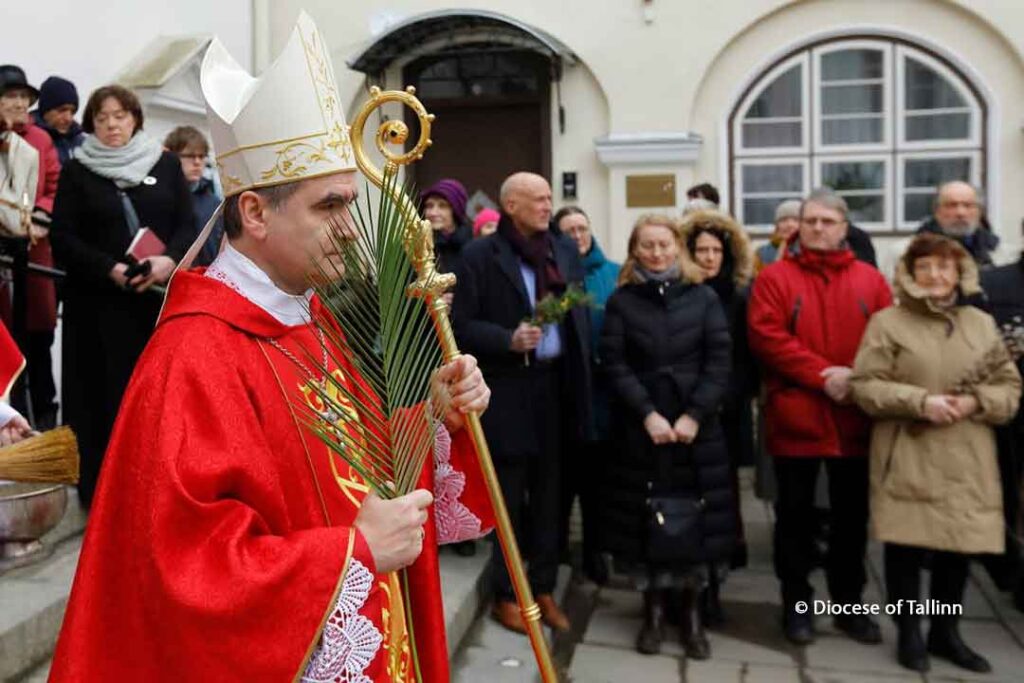
The new diocese is headed by Bishop Philippe Jourdan, apostolic administrator since 2005, who arrived from France in 1996 and has subsequently acquired Estonian citizenship. In an interview with Aid to the Church in Need (ACN), Bishop Jourdan presented the situation for Catholics in the country.
What is the religious situation in Estonia?
Estonia is still one of the most secular countries in Europe. Around one in four people say they are believers, with the rest claiming no religious beliefs. However, in reality, many people believe, without really knowing in what. Interestingly, whereas in the rest of Europe secularism is on the rise, this percentage in Estonia has remained pretty stable over the past 25 years.
Why are there so few Catholics in Estonia?
The Church disappeared from Estonia in the 16th century, at the time of the Lutheran reform. For two-and-a-half centuries Catholicism was forbidden, and it only resurfaced in the 19th century. However, after that, the country endured 50 years of Soviet domination. Therefore, Estonia has a unique history as a hinge between two worlds that rejected Catholicism.
Is the situation changing?
Yes, the Catholic community continues to grow. In 1970 there were less than ten of us, now we are between 7,000 and 10,000. We have always had requests for baptisms, but in the past two or three years the catechumens are younger and younger. There can be no doubt that, since Covid and the war in Ukraine, the young people of today are asking more existential questions, and some have also come to the realisation that the post-Soviet ideal is very consumerist, which though understandable after a period of great poverty, they do not find it fulfilling.
Who makes up the Catholic community in Estonia nowadays?
Half are “ethnic” Estonian Catholics, either converts or children of converts, while the other half are Russian-speakers (30% of the population of Estonia is currently Russian-speaking), partly from Belarus or from Ukraine, and are either Latin or Eastern rite. Furthermore, for the past four or five years, we have had some immigrants from different parts of the world.
Why was the first diocese erected now?
One century ago, in 1924, Pope Pius XI created an apostolic administration. It was a temporary solution, until the Church grew in size and structure. Obviously, 50 years of the Soviet regime slowed this growth, but now we were finally able to endow the Church in this country with an official structure. Currently we have one diocese with ten provinces (eight Latin rite and two Eastern rite), and 15 priests of different nationalities. This is the culmination of a long path which everybody is thrilled about.
How did the Lutheran Church receive the news?
With great joy! The erection of this diocese was very well received and got great coverage by the local press. Ecumenism has advanced a lot in recent years, because Catholics and Protestants have managed to overcome divisions. Furthermore, we share the same concerns regarding social issues, the war in Ukraine, and so on.

What is it like to take charge as bishop of this new diocese?
Naturally, my wish is that we continue to grow, to mature and organise. However, above all, we should preserve our greatest strength, which is prayer. Sometimes we feel small and powerless, but the Lord does not abandon us: we have always been nurtured by Divine Providence. Therefore, we should tirelessly continue with our mission to foster vocations and be harbingers of hope for all those around us.

Recommended