Churches sound alarm after settlers target Christian village and foreign diplomats
Church leaders in Jerusalem have condemned “heinous” attacks by masked Israeli settlers against residents of the West Bank’s last entirely Christian village, as well as foreign diplomats visiting the area.
The Patriarchs and Heads of the Churches in Jerusalem (PHCJ) issued the statement following attacks in and around Taybeh on 16th and 17th October, when local residents were gathering olives during the annual harvest.
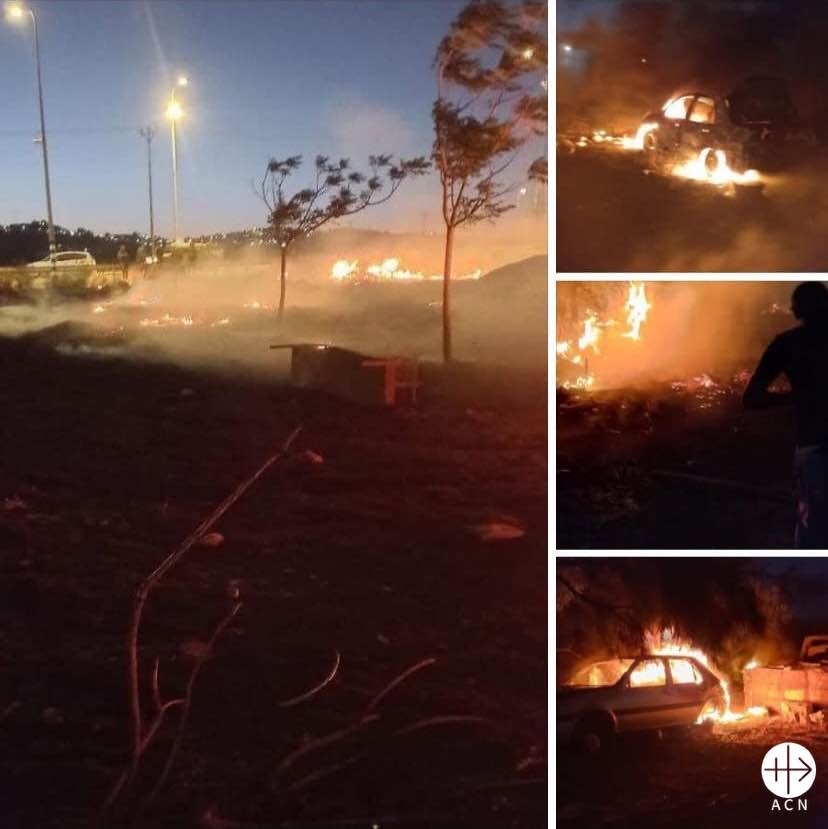
In their statement the church leaders said: “In the past weeks the Palestinian villages of the West Bank have been exposed to a wide-scale terror by settlers, which is reaching a peak during this time of the olive harvest, when families go to their lands to collect what they need to live and renew their generations-long bond with their lands.”
According to media reports, an American photographer was injured on 16th October while documenting Palestinian olive harvesters near Taybeh and was taken to hospital for treatment.
The following day, French, Belgian and Polish diplomats, together with a French mayor and Archbishop of Cambrai, were reportedly attacked by masked settlers in another area of the West Bank. A Belgian diplomatic vehicle was also damaged.
Bernard Baudoux, mayor of Aulnoye-Aymeries in northern France, told Reuters he had been harvesting olives near Taybeh in solidarity with the local community when he was “violently attacked”.
He said: “I was thrown to the ground.”
The church leaders said: “This wild attack on the Christian village of Taybeh and against its peaceful population is not an isolated incident.”
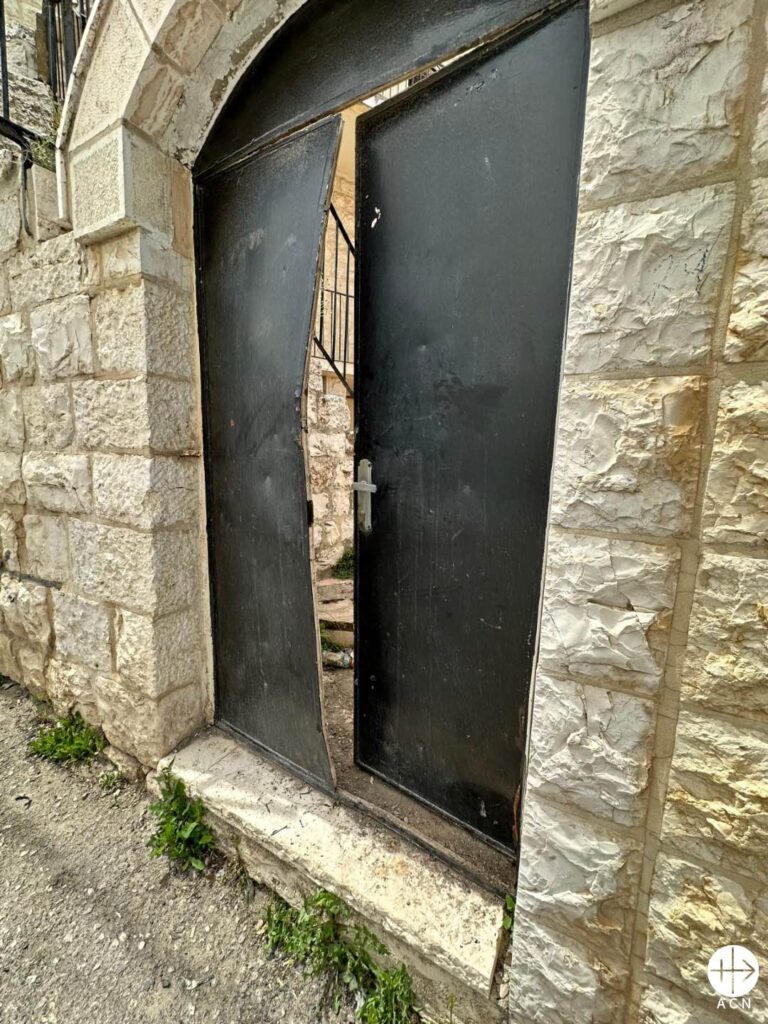
The PHCJ also criticised a recent religious ruling by Rabbi Dov Lior, a prominent figure within Israel’s Religious Zionist movement, which reportedly argued that Israeli Jews could take olives from Palestinian-owned groves in the West Bank.
The ruling said that under Jewish religious law, the land ultimately belonged to the Jewish people and that Palestinians had no legitimate ownership rights.
The Church leaders said: “We consider the religious ruling recently published, allowing Jews to take the olives of Palestinians, as unfounded, very worrying and dangerous, and absolutely unacceptable.
“We very much appreciate that several rabbis and Jewish voices have publicly rejected it.”
On 19th October Israeli authorities arrested several suspects in a pre-dawn operation on suspicion of involvement in acts of violence, violating a closed military zone order and illegal construction who were taken into custody.
While welcoming comments from Israeli President Isaac Herzog condemning the attacks, the church leaders warned that violence would continue unless perpetrators were held accountable.
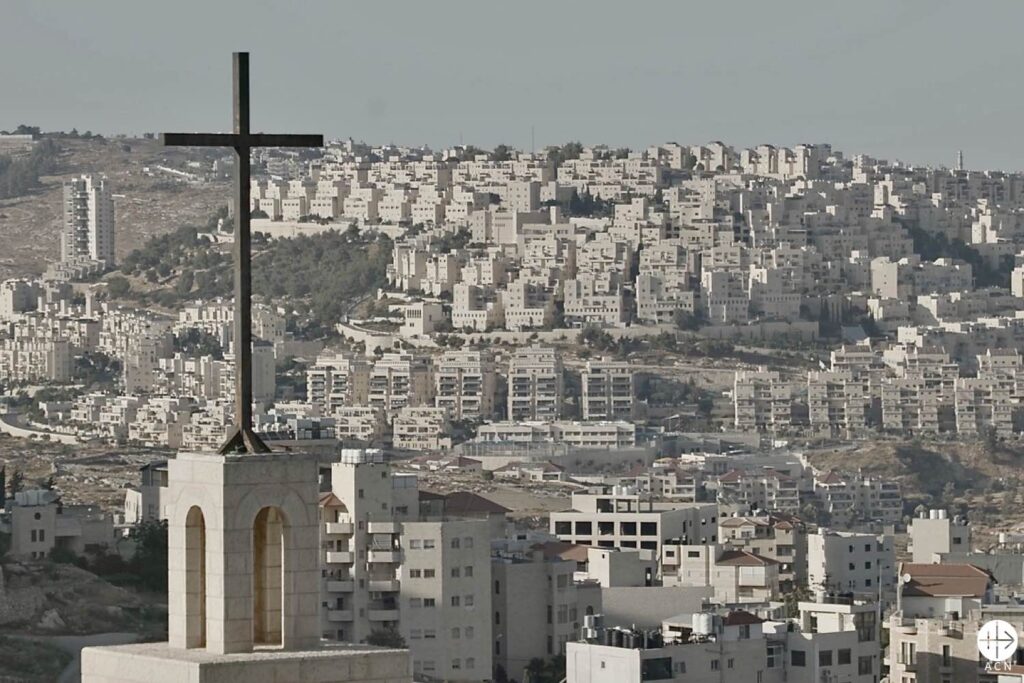
They said: “Unfortunately, the facts on the ground show that these attacks continue because of the impunity enjoyed by those who commit them.
“We recognise the action taken by the Israel Police and the arrests carried out following this attack, and we express our hope that this enforcement will continue in a serious and consistent manner and will not remain an isolated measure.
“We call upon the competent authorities to bring those responsible to justice, and we urge the international community to intensify its efforts to ensure the protection of the people of Taybeh and the West Bank, as well as all those who visit these areas to express their solidarity.”
Taybeh’s parish priest Father Bashar Fawadleh told Catholic charity Aid to the Church in Need (ACN): “We are documenting continued settler incursions, intimidation, and attacks on homes, private property, and economic facilities.
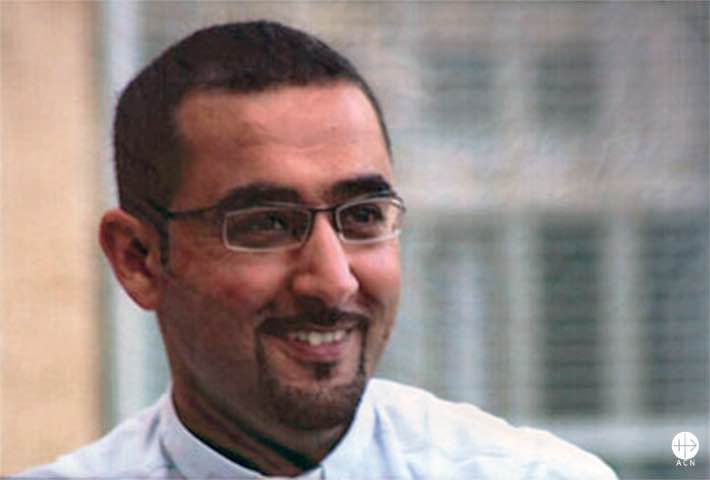
“Despite Taybeh being declared a closed military zone, settlers continue to move freely, leaving our community exposed to growing fear and insecurity. Our concern is not only what has happened, but what may happen next if effective protection is not ensured.” Thanking ACN and benefactors for their “solidarity and commitment to preserving the Christian presence in the Holy Land” he asked for “continued attention, diplomatic engagement, and concrete action to protect Taybeh, its residents, and their right to remain safely on their land”.

Recommended