Cameroon: A course to help young religious cope with trauma in a conflict region
For many years Cameroon in Central-West Africa, with its 24 million inhabitants, has been regarded as a relatively stable country in comparison with its crisis-racked neighbours. However, in 2016 there were protest marches in the English-speaking region against a perceived marginalisation in this predominantly French-speaking country. Since then these protests have escalated into a major and ongoing armed conflict between the central government and the separatists in the Anglophone provinces. Thousands of people have been killed and hundreds of thousands forced to flee as a result. And not infrequently there have been abductions of individual Church personnel and teachers, and even priests.

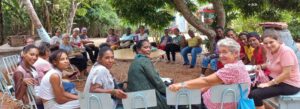
The Sisters of Saint Anne are a congregation founded in Italy in the nineteenth century, above all to educate and support poor and disadvantaged children and young people. Their formation house is close to the city of Bamenda, which is just one mile (2 km) from the area where the fighting is raging. „There is a prevailing atmosphere of fear“, says Sister Pamela Bongben, who runs the formation house.
The three postulants, five novices and 37 young sisters with temporary vows, who are currently undergoing training in the house, have been traumatised by the violence they have witnessed at first hand and by the permanent climate of fear. The congregation is therefore proposing to offer them a two-week workshop in which they will learn how to deal with these experiences and cope with the situation without coming to any great harm as a result. The objective is to inspire new confidence in them and help them to overcome the lingering sense of fear.
The idea is that they will not only personally benefit from this support, but will also learn how to help and support other people who have faced similar traumatic experiences. In a region like this, where most people have had to confront violence, fear and death, this is an important part of their pastoral work. But inevitably the course will cost money, course materials will have to be purchased, competent lecturers paid for their time and travel expenses. The congregation, which helps the poor and is itself poor, cannot afford the cost and has asked for our support. Otherwise, the unresolved trauma could lead some of the young sisters to suffer an emotional crisis and abandon their vocation.
We are proposing to help for this important two-week workshop with a contribution of 9,500 Euros.

Recommended