DRC: When they people hear the church bells, they know there is life in the village
The residents of eastern Bukavu feel abandoned by the international community. But they know that if they flee, the M23, an armed rebel group backed by Rwanda , will take over their lands.
“We don’t feel isolated, we feel abandoned,” says Fr Floribert Bashimb, the vicar-general of the Diocese of Bukavu, located in the east of the Democratic Republic of the Congo (DRC), on the border with Rwanda.
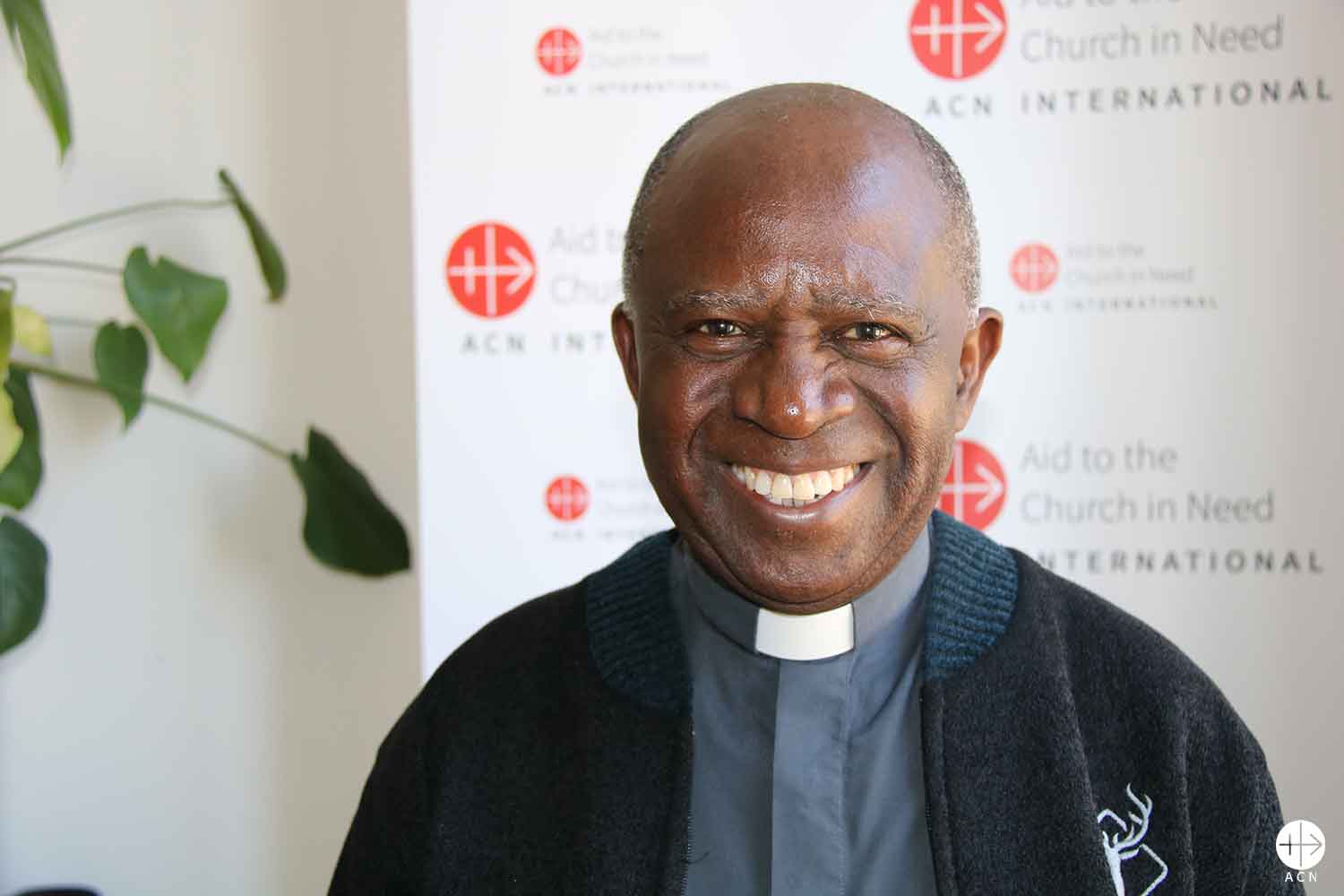
According to the priest the conflict of interests over the extraction of coltan and gold obscures the spiral of violence which has consumed the region.
Fr Floribert explains that the Rwanda-backed rebel group M23 invaded the province of North Kivu in 2021 and took control of the city of Goma in 2024, turning it into its operational headquarters. Since then, the parishes in Goma have been closed.
On 15 February 2025, the group reached neighboring Bukavu. “The people are suffering, because they can no longer extract minerals and rural activities have been halted because of insecurity. The M23 controls the mines and has put an end to all small-scale mining, because now they control the resources. In some places, especially in the north, they are replacing the local population.”
The Congolese priest spoke to Aid to the Church in Need (ACN) during a visit to the foundation’s international headquarters, explaining how M23 is undermining the Church’s activities in the region in eastern DRC.
“If we leave, we don’t know who will come, they will occupy our lands and our homes.”
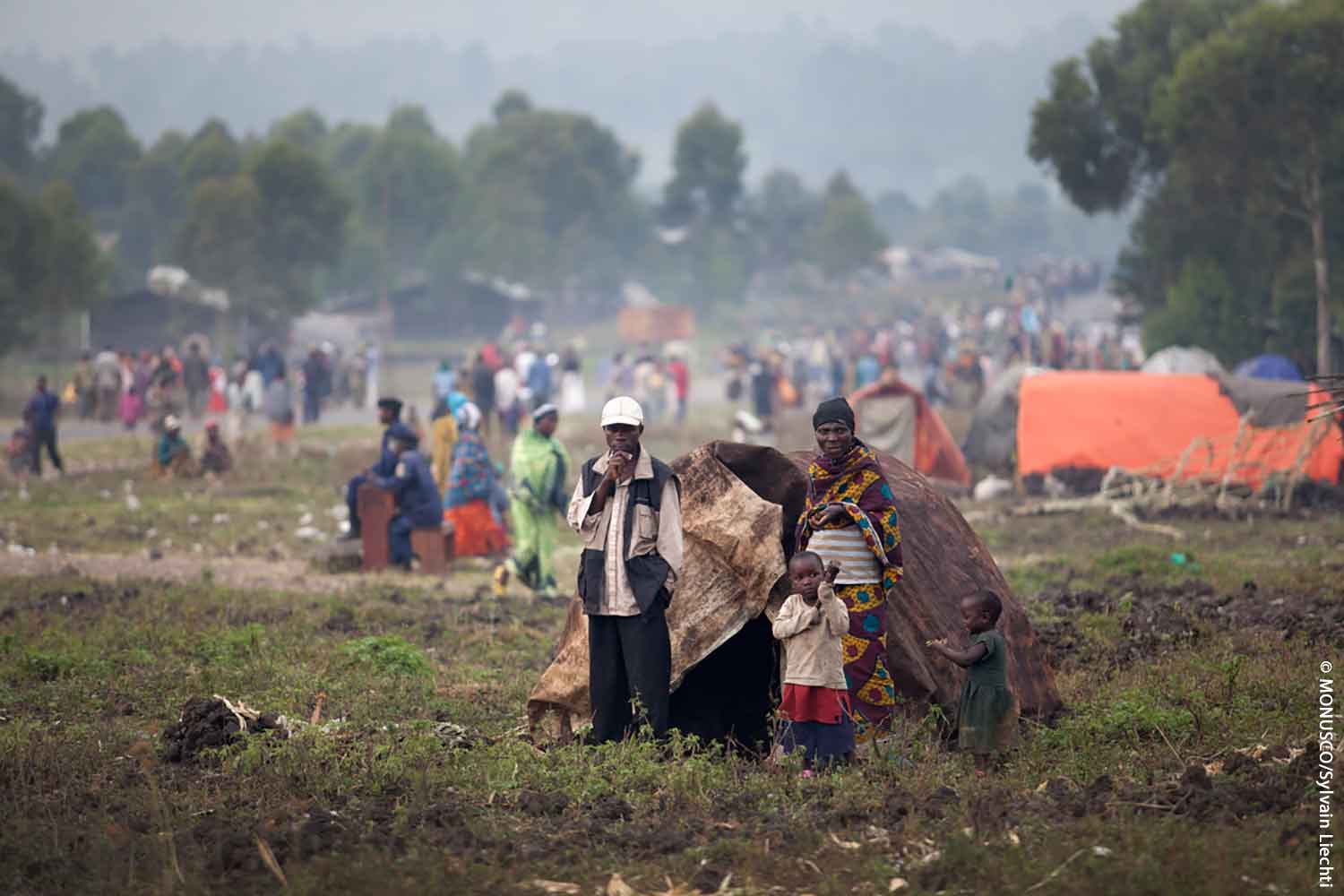
After seeing what had happened in Goma, the priests in Bukavu were instructed to remain, as the Church feared that the church buildings and houses would be taken over by strangers. Out of the diocese’s 44 parishes, 30 are losing parishioners. All this has a profound effect on the priests’ mission, but they remain because they understand that “when the people hear the church bells, they know there is life in the village”. The priest therefore becomes a bearer of hope.
And this hope is all the more necessary given the insecurity and uncertainty of life under M23. The only systems that still work are business related. “They have implemented a tax system, and they charge customs and insurance. Financially, things are moving along because they occupy the mining regions and extract gold and coltan.”
The residents of Bukavu also have to endure isolation from the rest of the country. For many seminarians, for example, this means that they cannot return to their respective dioceses for the holidays, and so do not see their families all year. Many of the seminarians in Bukavu are from other regions, and with M23 in control, they have been unable to leave and have required material aid such as toiletries, school supplies and clothes.
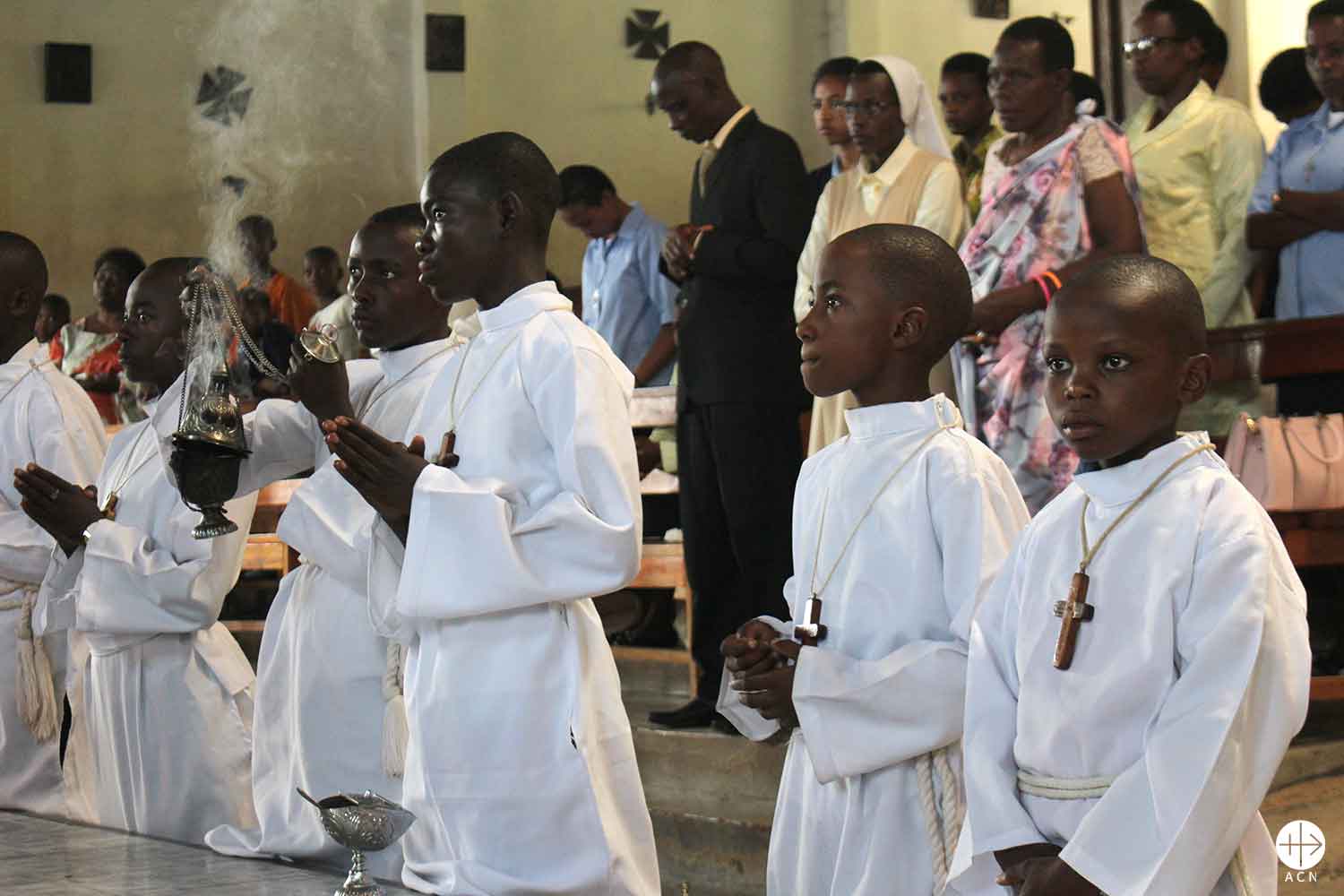
“We are grateful to ACN for its support. It is our main benefactor and has worked with us especially in the training of future priests, the organisation of spiritual retreats and the construction of new churches or the restoration of older ones.”
Relations between the Church and the occupying M23 forces have beencordial for now, says Fr Floribert. “Until now they have respected our infrastructure, they have not touched our vehicles and when we have been faced with arbitrary arrests of our faithful the Church intervenes and we find a solution.”
The priest insists that the population is exhausted. “The minerals of the Congo have been exploited for centuries, but the poor also have a right to live and to live in peace. For years the mining has been going on, but the Congolese people themselves have never seen any of the resources that they often die for. Violence breeds violence, and we are victims of the war and of a cycle of violence which leaves us hungry and poor.”
The DRC is a priority country for ACN, which in 2025 financed 258 projects throughout the country, mainly in the field of construction/renovation of religious buildings, the formation of seminarians and the continuous formation of priests and nuns. Many priests were supported by the missionary offerings. The ACN plays a critical role in strengthening the Church’s presence in areas neglected and neglected by the government.

Recommended